
The Voice That Woke America
At 6:30 AM on any given Tuesday in 1952, a remarkable thing was happening across America. In farmhouse kitchens in Iowa, apartment galley kitchens in Brooklyn, and suburban breakfast nooks in California, families were hearing the exact same voice deliver the exact same news at the exact same moment. The radio on the counter — usually a Philco or Zenith with a warm wooden cabinet — was broadcasting something more powerful than information: it was creating a shared national experience that began before most Americans had even finished their first cup of coffee.
This wasn't just media consumption. It was a daily ritual that synchronized the American morning and created an invisible community of strangers who started each day with identical information, weather reports, and even the same songs stuck in their heads.
The Kitchen Counter Command Center
The morning radio wasn't background noise — it was the command center of the American household. Mothers planned their day around weather forecasts, fathers checked their watches against time announcements, and children learned the day's headlines while eating cereal. The radio voice became as familiar as a family member, more reliable than the newspaper, and more intimate than television would ever be.
Popular morning hosts like Don McNeill of "The Breakfast Club" or Arthur Godfrey commanded audiences of 20 million people — larger than most prime-time television shows today. These weren't just entertainers; they were national figures who shaped how Americans understood their world. When Godfrey recommended a product or shared his opinion about current events, it influenced purchasing decisions and political discussions in living rooms from Maine to California.
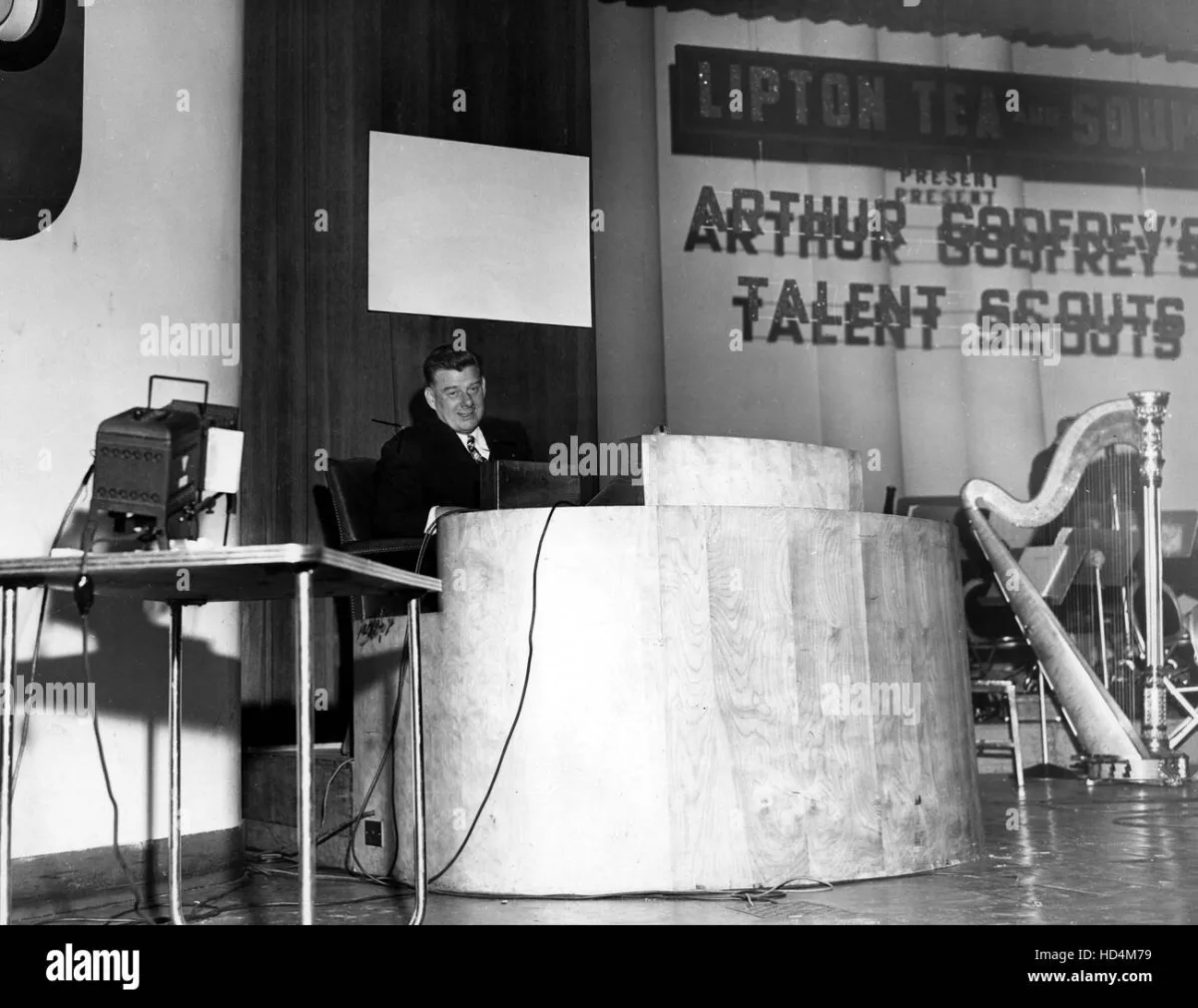 Photo: Arthur Godfrey, via c8.alamy.com
The format was deceptively simple: news on the hour, weather every fifteen minutes, music in between, and a host who felt like a trusted friend. But this simplicity created something profound — a shared foundation of knowledge that allowed strangers to have meaningful conversations about the same topics, having heard the same reports, at bus stops and office water coolers across the country.
The Democracy of Simultaneous Information
Before the internet fragmented information consumption into personalized feeds, before cable television created hundreds of specialized channels, and before podcasts allowed everyone to curate their own audio experience, Americans received their morning information democratically. Rich and poor, urban and rural, liberal and conservative — everyone heard the same news delivered in the same order with the same emphasis.
This wasn't accidental. Radio networks understood their role as national unifiers. CBS's "World News Roundup," which began in 1938, was specifically designed to give Americans a common understanding of global events. NBC's "News of the World" served the same function. These programs didn't just report news; they created a shared national narrative that helped a geographically vast and culturally diverse country feel like a unified community.
The weather report was particularly unifying. In an era before reliable long-range forecasting, the morning weather shaped everyone's plans for the day. Farmers, commuters, students, and shopkeepers all made decisions based on the same meteorological information delivered by the same authoritative voice. When the weatherman said "chance of rain this afternoon," millions of Americans grabbed umbrellas.
The Soundtrack of a Nation
Morning radio also provided America with a shared soundtrack. When a song played during the 7 AM hour, it played in kitchens across the country simultaneously. Hit songs weren't just popular — they were genuinely shared cultural experiences. Everyone heard "White Christmas" for the first time together. Everyone learned the words to "Tennessee Waltz" at the same pace. Popular music wasn't discovered; it was delivered to the entire nation as a collective gift.
DJs understood this responsibility. They didn't just play music; they curated the national mood. A upbeat song could energize millions of workers starting their commute. A sentimental ballad could create a moment of shared reflection across time zones. The power to influence the emotional tenor of America's morning was taken seriously by broadcasters who saw themselves as cultural stewards.
When Television Tried to Replace Radio
The rise of morning television in the 1950s began to fragment this unified experience. "The Today Show," which premiered in 1952, offered visual information alongside audio, but it couldn't replicate radio's intimate, personal feel. Television required attention in a way that radio didn't. You could listen to radio while getting dressed, making breakfast, or reading the newspaper. Television demanded that you stop and watch.
Moreover, television was expensive and not universally accessible in the way radio had been. While nearly every American household had a radio by 1950, television ownership remained limited to urban areas and middle-class families for years. This created the first crack in the shared morning experience — some Americans were getting their news from Walter Cronkite on television while others still relied on radio voices.
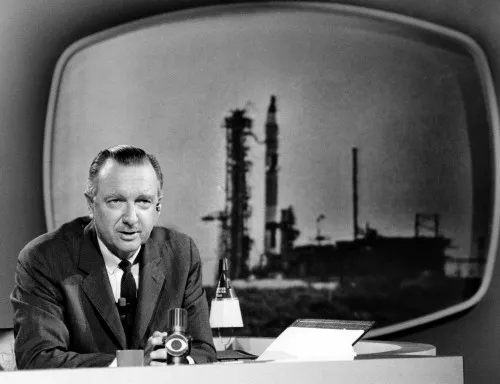 Photo: Walter Cronkite, via cdn11.bigcommerce.com
The Algorithm That Ended Everything
The final blow to shared morning media came not from television but from personalization. First, FM radio created dozens of specialized stations targeting specific demographics and musical tastes. Then, satellite radio offered hundreds of options. Finally, streaming services and podcast apps gave every individual the ability to curate their own morning experience completely.
Today's American morning is radically individualized. One person starts the day with a true-crime podcast, another with political commentary that confirms their existing beliefs, and a third with personalized music selected by an algorithm based on their listening history. The weather comes from apps that provide hyper-local forecasts. News arrives through social media feeds tailored to personal interests and political preferences.
This personalization is remarkably sophisticated and undeniably convenient. But it has eliminated something that Americans didn't realize they valued until it was gone: the experience of starting each day as part of a larger community, informed by the same information, influenced by the same voices, and prepared for the world with the same basic understanding of what was happening beyond their own front doors.
The Loneliness of Infinite Choice
In gaining unlimited options for morning media consumption, Americans lost the subtle but meaningful experience of shared cultural moments. There's no modern equivalent to the moment when 20 million people simultaneously heard Edward R. Murrow report from London during the Blitz, or when families across the country learned about Pearl Harbor from the same radio announcement.
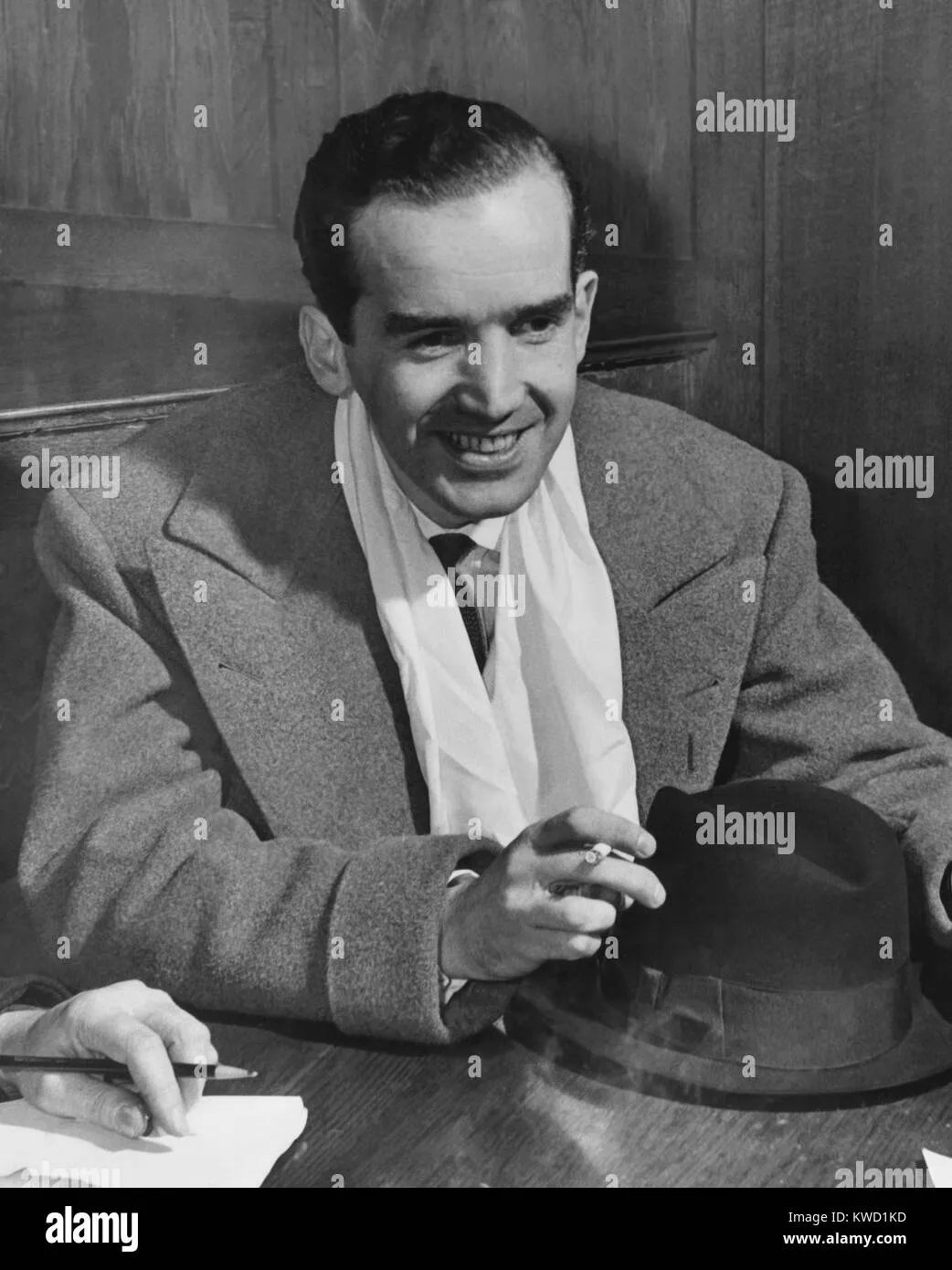 Photo: Edward R. Murrow, via c8.alamy.com
The algorithm knows what we want to hear, but it can't recreate the experience of discovering something unexpected alongside millions of other people. It can't simulate the feeling of being part of a national conversation that began at the same moment for everyone.
The radio voice that once woke America has been replaced by a thousand different voices, each speaking to smaller and smaller audiences, each confirming what we already believe rather than challenging us to think about what we share with our neighbors. In gaining the morning routine of our dreams, we may have lost the morning routine that once made us feel like we were all dreaming together.