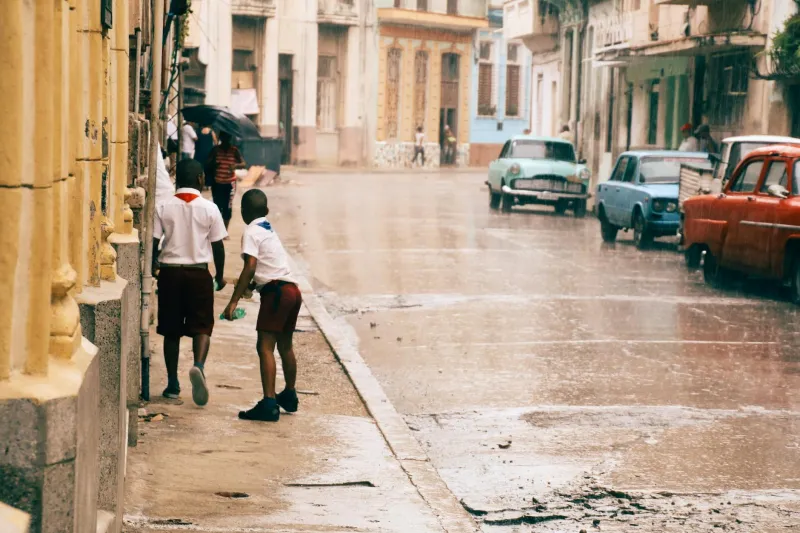
The Sound of Summer
Every kid in 1970s America knew the sound: that rapid-fire flutter of a baseball card clothespinned to a bicycle spoke, transforming a Schwinn into a motorcycle and a Mickey Mantle rookie into pure horsepower. The card would eventually shred, of course, but that was the point. These things were meant to be used, touched, traded, and loved to death.
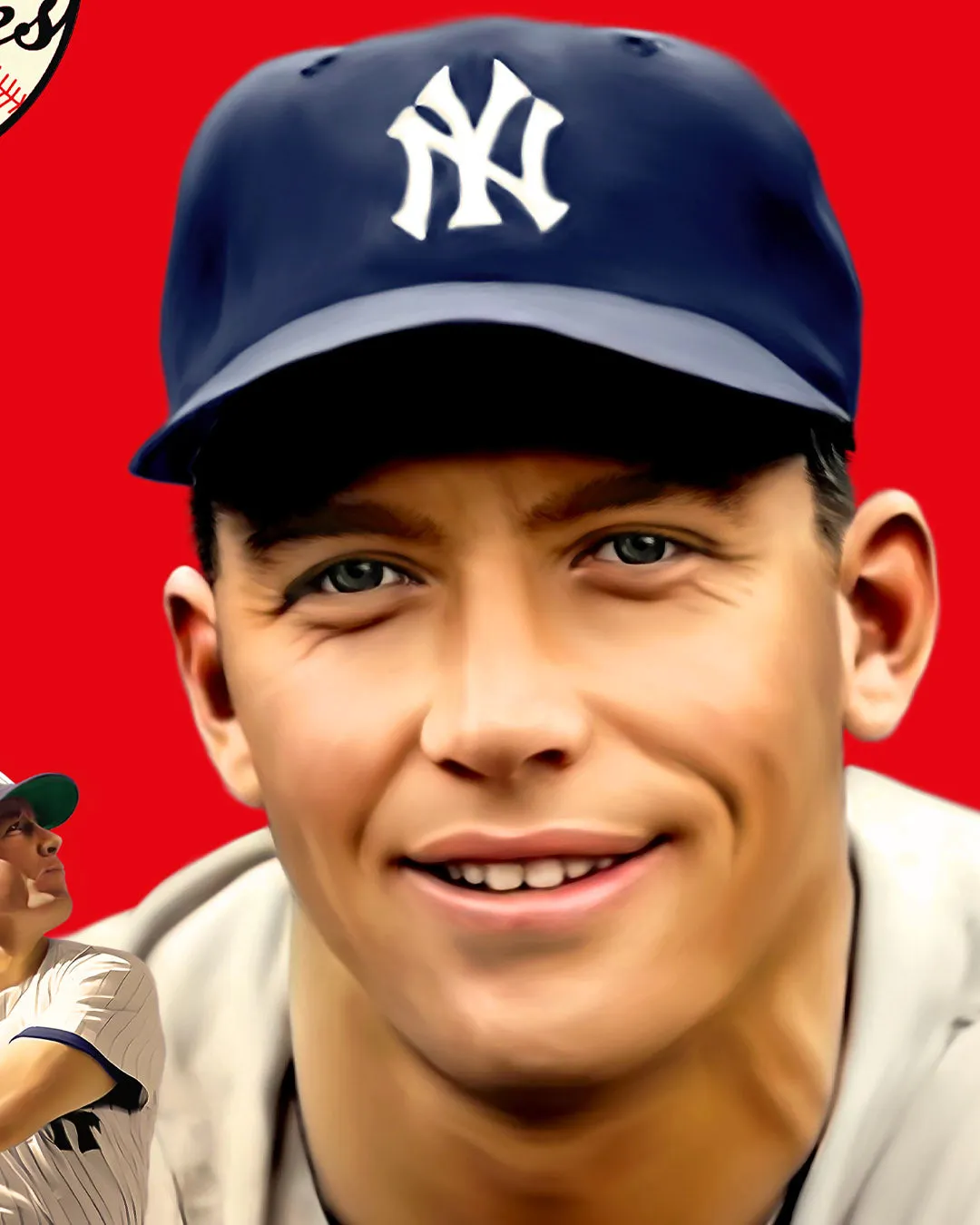 Photo: Mickey Mantle, via championshipart.com
Today, that same Mickey Mantle card — if it survived the spoke treatment — could buy you a house.
When Collecting Was Actually About Collecting
Walk into any hobby shop in 1975, and baseball cards were an afterthought. They sat in boxes near the register, five cents a pack, maybe a dime for the fancy ones with gum that could crack a tooth. Kids bought them with lawn-mowing money and birthday quarters, ripping open wax packs on the sidewalk outside.
The ritual was sacred: tear off the wrapper, flip through the cards, pop that stale pink rectangle of gum in your mouth, and immediately start calculating trades. Got a double of Pete Rose? Perfect — Johnny down the street needed one for his Reds collection. The cards lived in shoeboxes, rubber-banded by team or position, accumulating the gentle wear that came from constant handling.
"We'd sit on my front steps for hours, trading cards back and forth," remembers Mike Chen, 58, who grew up in suburban Chicago. "The goal wasn't to make money — it was to complete your set or get your favorite player. My Willie Mays card was bent at the corners from being in my back pocket all summer, and I loved it even more for that."
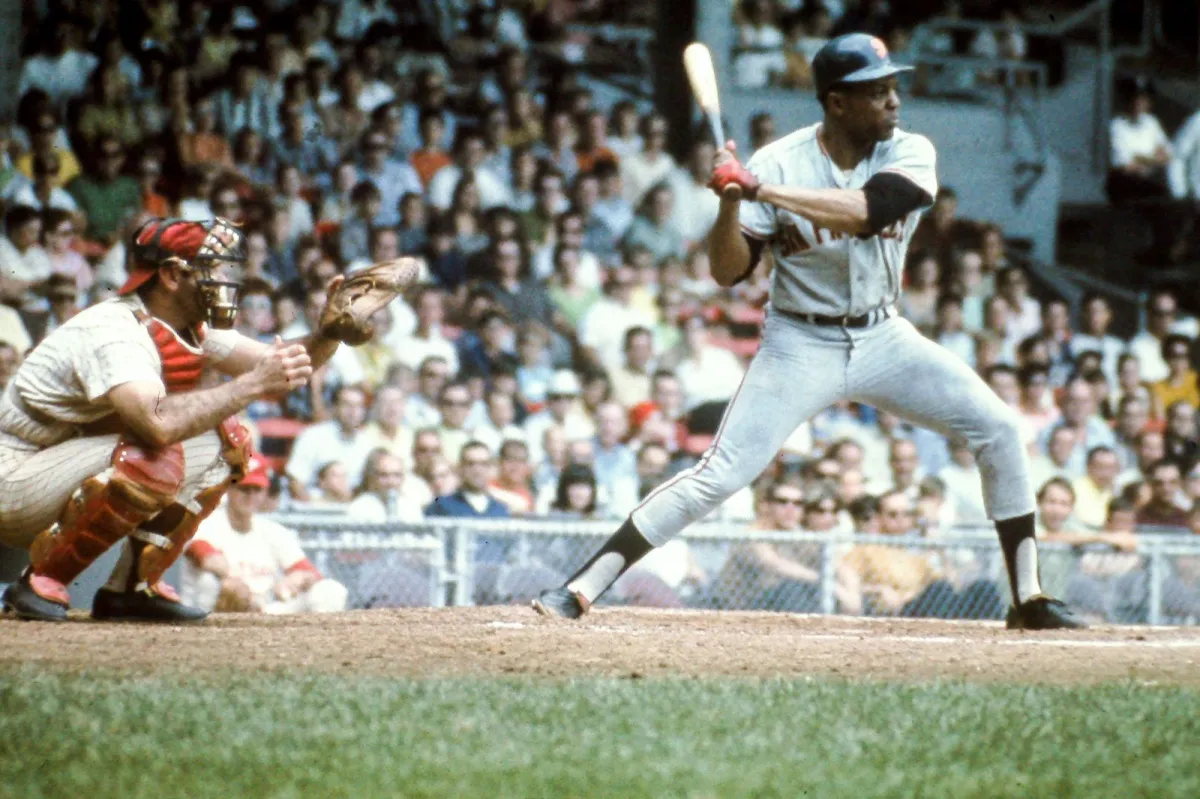 Photo: Willie Mays, via cdn.britannica.com
The Hobby That Ate Itself
Somewhere in the 1980s, adults discovered baseball cards. Not as childhood memories, but as investments. The 1952 Topps Mickey Mantle that kids had been clipping to bicycles for decades suddenly commanded four-figure prices at auction. Card shops started treating cardboard rectangles like precious metals.
The industry responded by printing more cards, then premium cards, then ultra-premium cards. By 1990, you could spend $100 on a single pack, chasing autographed inserts and serial-numbered parallels. The simple joy of completing a 660-card Topps set gave way to the impossible math of collecting 47 different product lines.
Kids couldn't afford to play anymore. A hobby that once cost pocket change now required serious money.
When Everything Became an Investment
Today's card collecting feels like day trading with better graphics. Cards get "graded" by professional services and sealed in plastic slabs with numerical scores. A 1986 Fleer Michael Jordan rookie card in perfect condition — a PSA 10 — sold for $96,000 in 2021. The same card with a tiny corner ding might fetch $500.
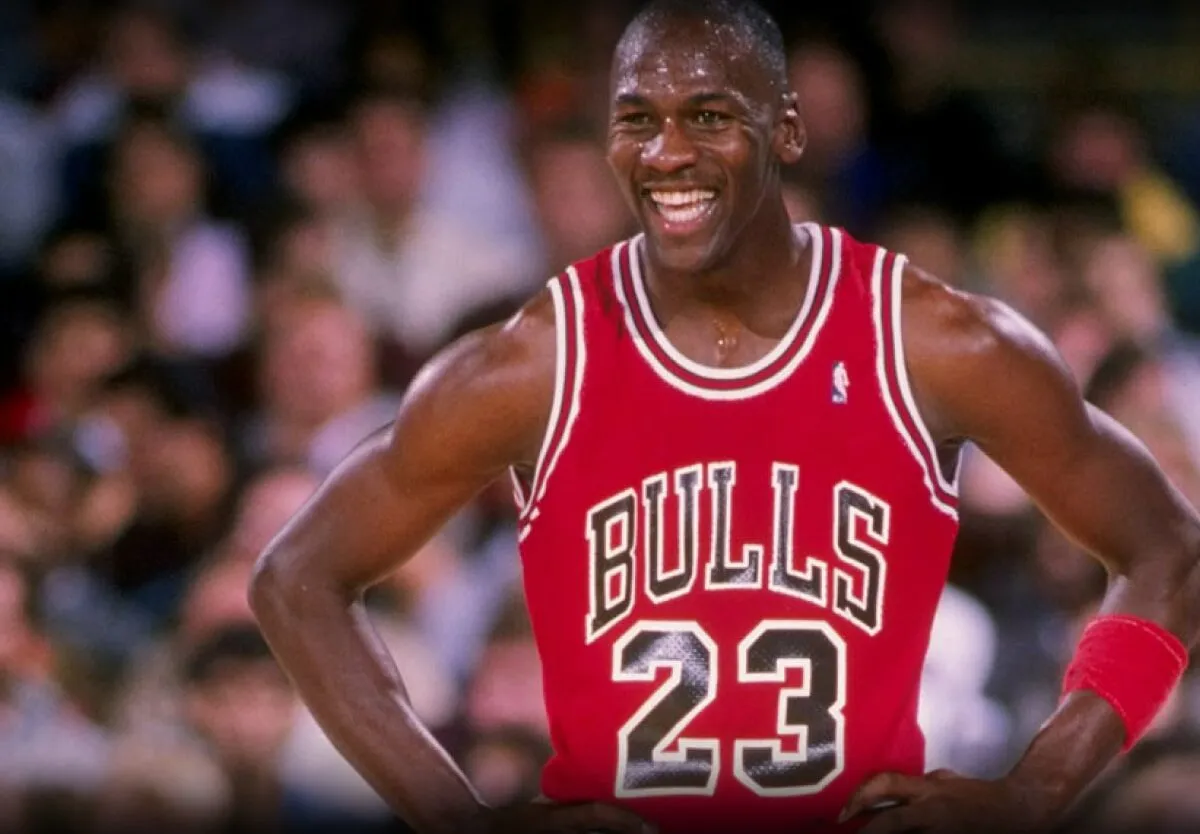 Photo: Michael Jordan, via nationaltoday.com
The difference between a $100 card and a $10,000 card often comes down to centering measured in millimeters or print dots visible only under magnification. Cards that would have been considered mint condition in 1975 now grade as "very fine" because standards have become impossibly precise.
"It's not collecting anymore, it's speculation," says Dave Martinez, who runs a card shop in Phoenix. "Kids come in with their parents' credit cards, buying cases of cards they'll never open, hoping to hit a valuable card they'll immediately send off for grading. Nobody's building sets or learning about players."
The Algorithm Knows What You Want
Modern card collecting happens largely online, driven by algorithms that suggest purchases based on price trends and market data. Apps track portfolio values in real-time, sending push notifications when your cards gain or lose value. The human element — the negotiation, the conversation, the shared passion for the game — has been reduced to "Buy It Now" buttons.
Breaking packs has become a performance art, livestreamed to audiences who cheer for "hits" like lottery numbers. The cards themselves often go straight from pack to protective sleeve to grading company, never experiencing human touch.
What Got Lost in the Shuffle
The old way of collecting taught kids valuable lessons that had nothing to do with money. Negotiation skills developed through hundreds of trades. Pattern recognition from sorting and organizing collections. Basic economics from understanding relative value and scarcity.
Most importantly, it connected kids to baseball itself. When you owned a card, you learned about the player — their stats, their story, their place in the game's history. Cards were portals to becoming a real fan.
"I knew every stat on the back of every card I owned," remembers Susan Torres, 52, who collected in the late 1970s. "Now my nephew shows me cards on his phone that are worth thousands of dollars, but he couldn't tell you what position the player plays."
The Paradox of Preservation
Here's the cruel irony: in trying to preserve the value of baseball cards, we killed what made them valuable in the first place. Those bent, worn cards from the 1960s and 70s are worth more today precisely because kids actually used them. They carry the patina of real childhood, of being loved rather than locked away.
The pristine cards being produced today will never have that story. They're born in plastic and die in plastic, never knowing the joy of a summer afternoon trade or the thrill of making a bicycle sound like a Harley.
More Than Just Cardboard
The transformation of baseball card collecting mirrors something larger about American childhood. We've professionalized everything that used to be naturally playful, turning hobbies into investments and fun into optimization.
Maybe that's progress — kids today have Pokemon and video games and a thousand other ways to spend their time. But something was lost when we decided that a piece of cardboard was too valuable to actually enjoy.
The next time you see a perfectly graded card in its plastic tomb, remember what it used to be: not an investment, but a friend.