The Morning Symphony of Wheels on Pavement
Every Tuesday at 7:15 AM, Mrs. Henderson would place her empty milk bottles on the front porch. By 7:30, they'd be replaced with fresh glass bottles of whole milk, cream, and sometimes butter — all without her exchanging a single word with anyone. The milkman knew her family drank two quarts a week, preferred glass over cardboard, and always needed an extra pint before holidays.
This wasn't Amazon Prime. This was 1955, and American doorsteps functioned as the original fulfillment centers.
 Photo: Amazon Prime, via 1000logos.net
Between 1920 and 1970, most American households received regular visits from a rotating cast of delivery specialists: the milkman on Tuesdays and Fridays, the ice truck on Thursdays, the bread van on Wednesdays, and the Fuller Brush man every few months. Each driver knew their route by heart, understood family preferences without algorithms, and operated on a level of personal service that would seem almost magical today.
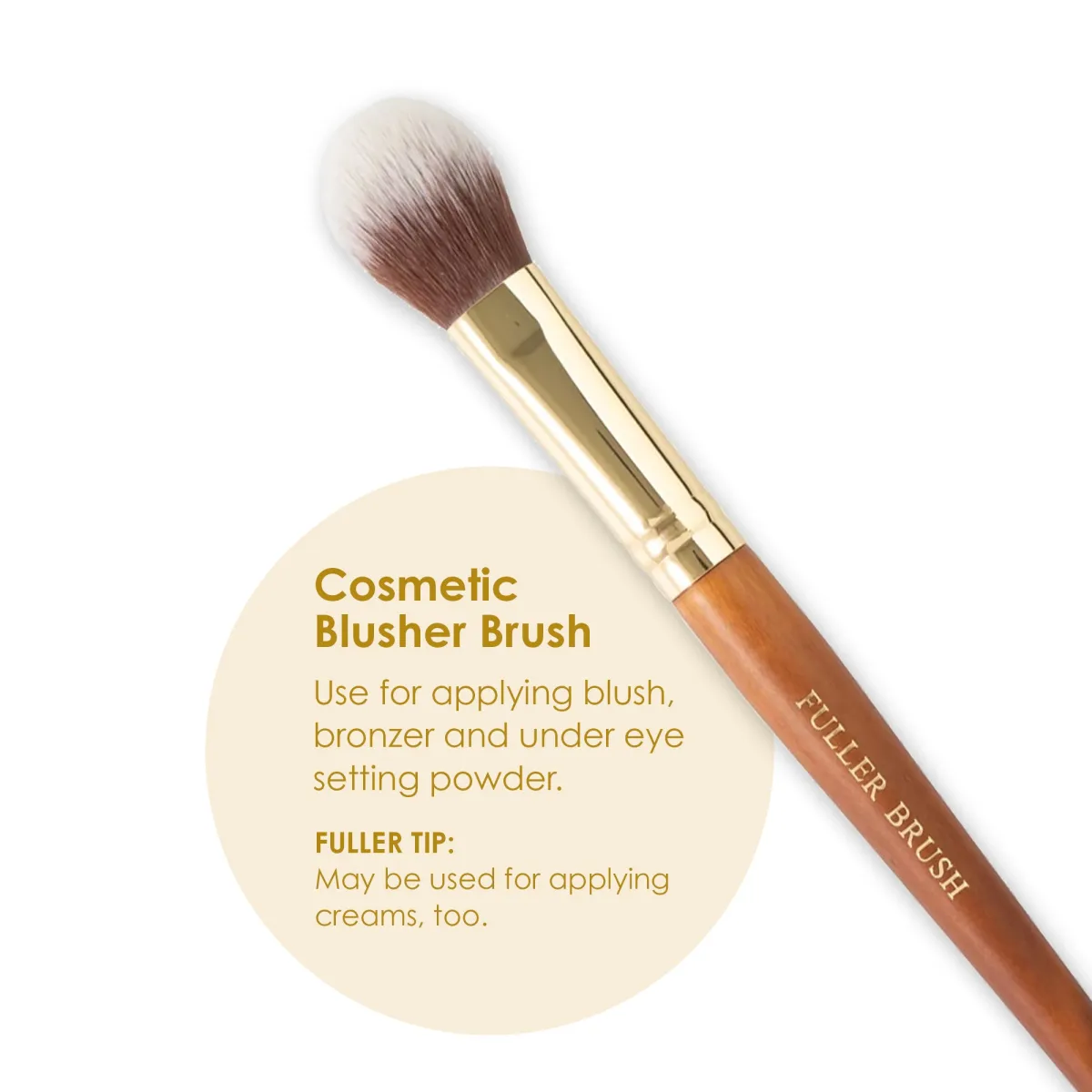 Photo: Fuller Brush, via fuller.com
When Logistics Were Local and Personal
The milkman didn't just deliver dairy products — he was a neighborhood institution. He knew the Johnsons were going out of town because their bottles sat untouched for three days. He'd leave extra cream when the Smiths had company because their car was in the driveway on Sunday morning. Some milkmen even had keys to customers' houses and would stock the refrigerator directly, leaving handwritten notes about new products or price changes.
The ice delivery followed similar patterns. Before electric refrigerators became standard, the ice truck made regular rounds, delivering 25, 50, or 100-pound blocks based on family size and weather. Drivers developed an intuitive sense of each household's consumption patterns. Hot spell coming? The Brennans would need extra ice. Kids home from school? Double the usual order.
Bread trucks operated like mobile bakeries, often arriving with products still warm from overnight baking. The Wonder Bread man knew which families preferred white versus wheat, who bought hamburger buns every Friday for weekend cookouts, and which houses needed the occasional cake for birthdays.
 Photo: Wonder Bread, via images.squarespace-cdn.com
The Human Algorithm
These delivery workers operated with a sophistication that makes today's data-driven logistics look clumsy by comparison. They didn't need customer profiles or purchase history databases — they relied on observation, memory, and genuine human connection.
The Fuller Brush man represented the pinnacle of this personalized service economy. He'd arrive every six months with a suitcase full of household products, but his real skill was reading each home's specific needs. A family with young children got different recommendations than elderly couples. He'd notice a worn doormat and suggest a replacement, or spot a fraying broom and offer an upgrade.
Payment was equally personal. Most deliveries operated on monthly tabs — families paid at the end of each month for everything they'd received. Trust replaced transaction fees. Credit checks were unnecessary because the milkman knew exactly which families paid promptly and which needed gentle reminders.
When Convenience Meant Community
This delivery ecosystem created unexpected social benefits. Delivery workers became informal neighborhood watchmen, noticing when newspapers piled up or lights stayed off too long. They served as communication networks, passing messages between houses when phones were still expensive.
Mothers with young children especially valued these services. Instead of loading kids into cars for grocery runs, they could handle most household needs from their front porch. The system was designed around the reality of 1950s family life, when one parent typically stayed home and managed household logistics.
The reliability was extraordinary. Delivery schedules were so dependable that families planned their weeks around them. The bread truck arrived every Wednesday at 2 PM. The milkman came Tuesdays and Fridays before 8 AM. This predictability created a rhythm that structured daily life in ways we've completely lost.
The Decline of the Doorstep Economy
By the 1970s, this entire system was collapsing. Suburban sprawl made delivery routes less efficient. Supermarkets offered more variety and lower prices. Refrigerators got bigger, making frequent deliveries less necessary. Women entered the workforce in larger numbers, making weekday home deliveries impractical.
The final blow came from changing consumer expectations. Americans wanted choice and control over their purchases. The milkman's limited selection couldn't compete with grocery stores offering dozens of dairy brands. Personal service mattered less than price and variety.
Today's Delivery Paradox
Now we have Amazon Prime, DoorDash, Instacart, and dozens of other delivery services that can bring almost anything to our doorstep within hours. We track packages obsessively, receive text notifications for every step of the delivery process, and rate drivers based on speed and accuracy.
Yet somehow, this technological marvel feels less convenient than the old system. We wait around for delivery windows. We worry about packages being stolen. We miss deliveries and have to reschedule. We interact with different drivers every time, none of whom know our preferences or patterns.
The milkman never needed a delivery window — he just showed up when he was supposed to. He never needed ratings or reviews because his livelihood depended on keeping the same customers happy for years. He didn't need GPS because he knew every house on his route personally.
What We Lost in Translation
The shift from personal delivery services to algorithmic logistics represents more than just technological progress. We traded relationships for efficiency, predictability for flexibility, and community connection for consumer choice.
The milkman's route wasn't just about delivering dairy products — it was about maintaining social fabric in American neighborhoods. When that system disappeared, we didn't just lose a service. We lost a way of living that prioritized consistency, trust, and human connection over speed and variety.
Today's delivery culture gives us more options and faster service, but it's fundamentally transactional. The milkman's route was fundamentally relational. And maybe, in our rush toward algorithmic efficiency, we left something valuable behind on those empty doorsteps.