
Walk down any main street in 1955, and you'd see America's entrepreneurial spirit in its purest form. Joe's Hardware. Mary's Diner. Sullivan's Shoe Repair. Each storefront represented someone who'd decided to hang a shingle and serve their neighbors. No business plan. No investor pitch. No social media strategy. Just a skill, some savings, and the audacity to think people might pay for what they offered.
Today, that same entrepreneurial dream requires navigating a maze of regulations, platforms, and expectations that would have bewildered our grandparents. We've somehow made starting a business both easier and infinitely more complex.
When Your Reputation Was Your Business Plan
In mid-century America, entrepreneurship looked radically different. If you were a decent carpenter, you could rent a small shop, put up a sign, and start taking orders. Your business plan lived in your head and your reputation lived on the street. Customers found you through word-of-mouth, and success meant having more work than you could handle.
Take Frank's TV Repair, a fixture on Milwaukee's north side for thirty years. Frank Kowalski learned electronics in the Navy, came home in 1948, and opened shop with $200 in savings and a toolbox. No website, no Yelp reviews, no Google ads. Just Frank, fixing televisions better than anyone else in the neighborhood. When people needed their Zenith repaired, they brought it to Frank. When Frank fixed it right the first time, they told their neighbors.
 Photo: Frank Kowalski, via miro.medium.com
The barriers to entry were refreshingly low. You needed basic business sense, a useful skill, and enough capital to cover rent and supplies for a few months. The government paperwork fit in a manila envelope. Marketing meant putting your name on the window and maybe taking out a small ad in the local paper.
The Rise of the Pitch Deck Empire
Contrast Frank's straightforward path with today's startup culture. Modern entrepreneurs don't just need a good idea—they need a compelling narrative, a scalable business model, and the ability to articulate their vision in exactly twelve slides. The language alone has transformed: we don't start businesses anymore, we "launch ventures" and "disrupt markets."
Today's entrepreneur spends months crafting a business plan that Frank would have found incomprehensible. Market analysis, competitive landscape, customer acquisition costs, lifetime value calculations—concepts that would have seemed like academic exercises to someone just trying to fix broken appliances.
The modern path to business ownership winds through LLC filings, trademark searches, website development, and social media presence building before the first customer ever walks through the door. Where Frank needed a storefront, today's entrepreneur needs a digital footprint. Where Frank relied on neighborhood foot traffic, today's business owner competes for attention in an global marketplace.
The Democratization Paradox
Here's the strange twist: technology has theoretically made entrepreneurship more accessible than ever. You can start an online business from your kitchen table, reach customers worldwide, and process payments without ever handling cash. A teenager with a laptop and internet connection has access to tools that would have cost thousands of dollars just twenty years ago.
Yet this accessibility has created its own barriers. The low cost of entry means everyone's trying to start something, making it exponentially harder to stand out. Frank competed with maybe three other TV repair shops in his area. Today's online retailer competes with millions of other businesses vying for the same customers' attention.
The democratization of business tools has also raised customer expectations. Frank's customers expected their TV to work when they picked it up. Today's customers expect 24/7 customer service, next-day shipping, and a seamless omnichannel experience. The bar for "good enough" has risen dramatically.
What We've Lost in Translation
Something fundamental shifted when entrepreneurship became synonymous with venture capital and unicorn valuations. The Frank Kowalskis of the world—skilled craftsmen serving their immediate communities—have been overshadowed by the Silicon Valley mythology of hockey stick growth and billion-dollar exits.
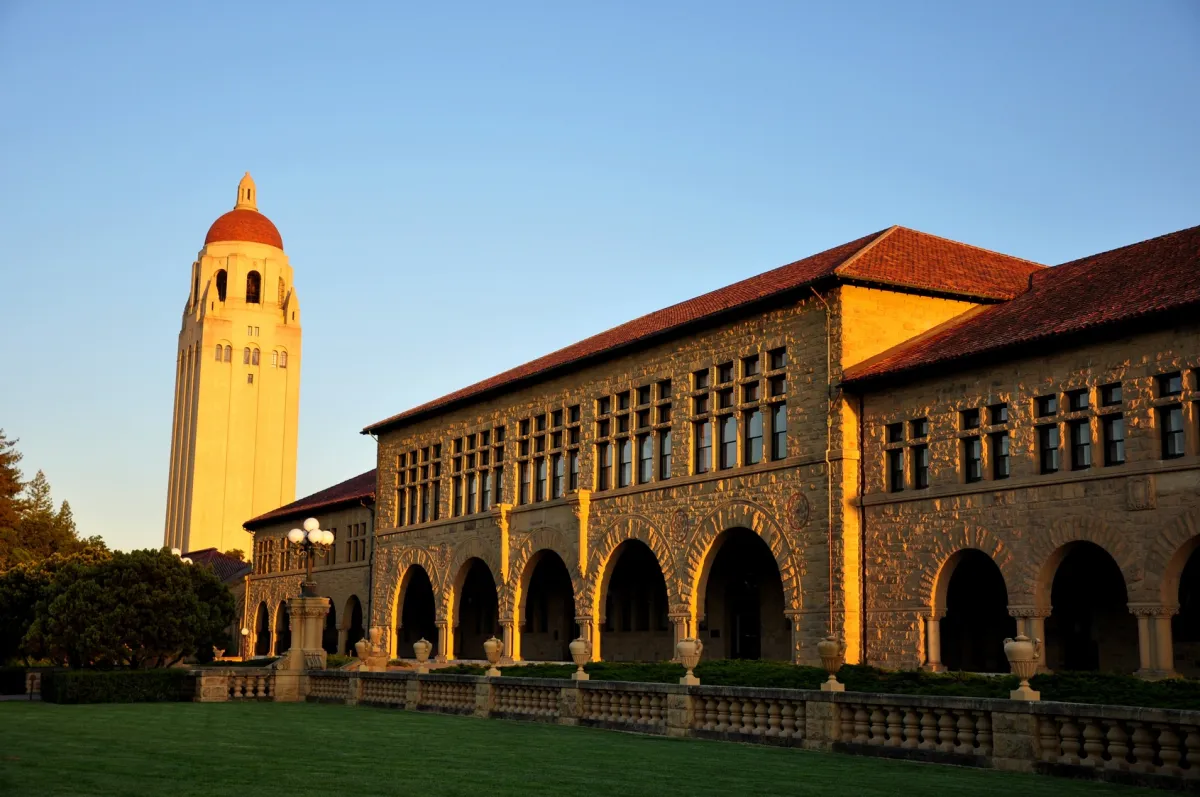 Photo: Silicon Valley, via www.usaviptours.com
We've professionalized entrepreneurship to the point where starting a simple service business feels almost quaint. The cultural narrative suggests that if you're not disrupting an industry or building the next Facebook, you're not really an entrepreneur. This has created a strange bifurcation: either you're running a lifestyle business that barely registers as entrepreneurship, or you're swinging for the venture capital fences.
The middle ground—the solid, community-serving businesses that formed the backbone of American commerce—has been squeezed from both sides. Big box stores and online retailers dominate from above, while the startup culture suggests that anything less than explosive growth represents failure.
The New American Dream
Perhaps the most telling difference is what success looks like. Frank's definition of success was simple: steady customers, reliable income, and the satisfaction of solving problems with his hands. Today's entrepreneur is encouraged to think in terms of exit strategies and scalability from day one.
This shift reflects broader changes in American culture. We've moved from a society that valued stability and craftsmanship to one that prizes innovation and disruption. Neither approach is inherently better, but the change has profound implications for who gets to be an entrepreneur and what kinds of businesses get built.
The irony is that in our rush to make entrepreneurship more sophisticated, we may have lost some of its essential spirit. Frank didn't need to convince anyone that TV repair was a viable market—broken televisions made that case for him. Today's entrepreneurs often spend more time validating their market than serving it.
America still rewards entrepreneurial thinking, but we've certainly complicated the path from idea to implementation. Whether that complexity has made us more innovative or just more anxious remains an open question.