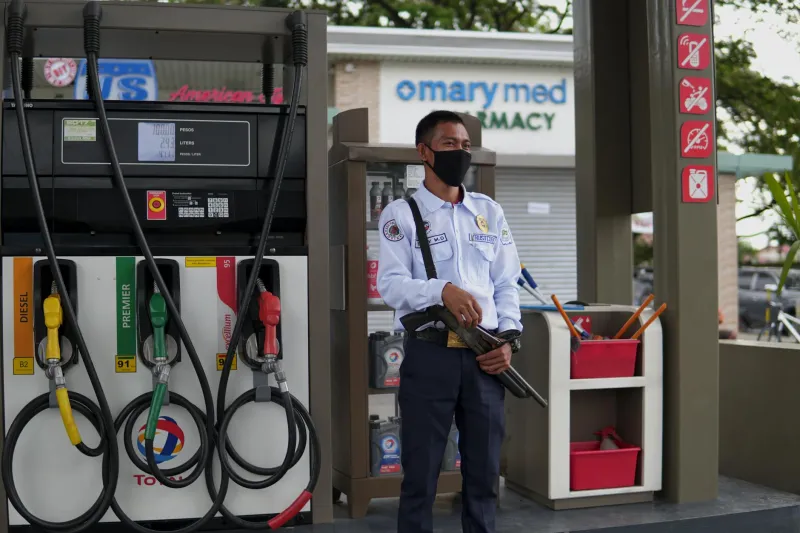
The Bell That Changed Everything
Pull into any gas station today, and you'll hear the electronic beep of a payment terminal. But for most of the 20th century, that sound was a brass bell ringing under your tires — a signal that brought a uniformed attendant hustling to your window with a smile and a "Good morning, what can I do for you today?"
This wasn't luxury service. This was just Tuesday.
From the 1930s through the late 1970s, full-service gas stations were as common as drive-throughs are now. Every neighborhood had at least one, usually anchored by a mechanic's bay and staffed by guys who knew cars inside and out. They didn't just pump gas — they performed a mini-inspection of your vehicle every time you stopped by.
When Service Actually Meant Service
The ritual was always the same. While your tank filled, the attendant would pop your hood and check the oil level with a metal dipstick, wiping it clean on a red shop rag. He'd test your tire pressure with a gauge that lived in his back pocket, add air if needed, and clean your windshield with a squeegee and bucket of soapy water.
But here's what made it special: these guys remembered you. They knew Mrs. Peterson's Buick burned oil, that the high school kid in the Mustang needed his tires checked weekly, and that the traveling salesman always wanted his windshield extra clean. They'd notice if you hadn't been by in a while, or if your car was making a new noise.
"Charlie at the Texaco station knew every car in a five-block radius," remembers Tom Rodriguez, 72, who grew up in suburban Detroit. "He'd see my dad coming and already have the oil ready to check. Never charged extra for any of it."
The Economics of Care
This level of service wasn't charity — it was smart business. Gas stations in the 1960s operated on thin margins, just like today. But they made their real money on oil changes, tire repairs, and the trust they built with customers. A station that took care of you earned customer loyalty that lasted decades.
The attendants weren't just pump jockeys, either. Most were trained mechanics who could diagnose problems on the spot. They'd notice a worn belt, a leaking hose, or tires wearing unevenly. Sometimes they'd fix small problems for free, knowing you'd come back when you needed major work.
When Self-Service Became the Norm
The shift started in the early 1970s with the first self-service pumps, marketed as a way to save a few cents per gallon. Initially, most Americans resisted. Pumping your own gas felt undignified, even dangerous. Some states banned self-service entirely (New Jersey and Oregon still do).
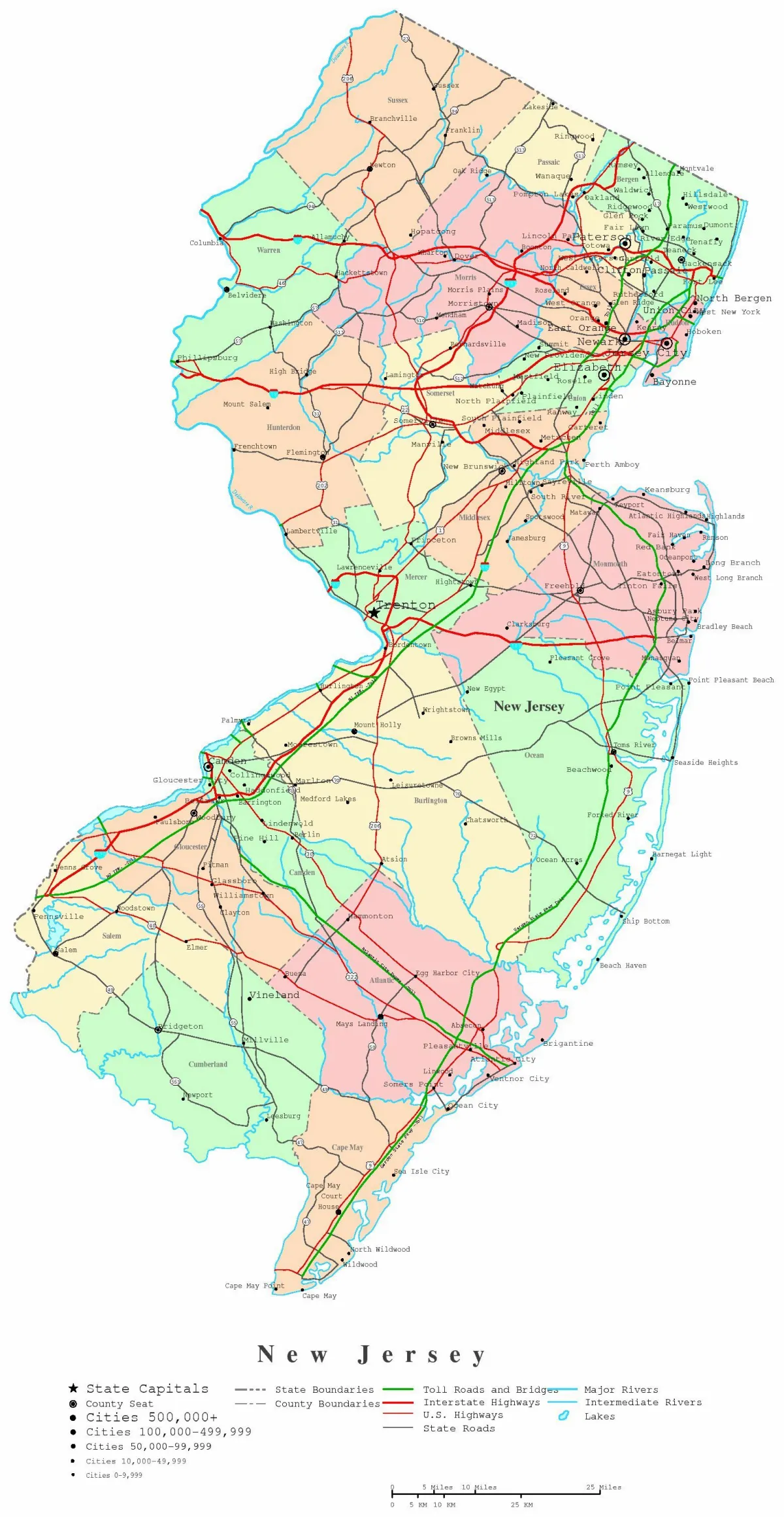 Photo: New Jersey, via www.orangesmile.com
But the 1973 oil crisis changed everything. As gas prices doubled overnight, those few cents of savings suddenly mattered. Station owners, squeezed by rising wholesale costs, saw self-service as a way to cut labor expenses. By 1980, self-service pumps outnumbered full-service ones. By 1990, full-service stations had nearly disappeared outside of a few holdout states.
What We Lost in Translation
Today's gas stations are marvels of efficiency. You can fuel up, buy a coffee, and grab dinner without talking to another human being. Credit card readers at the pump mean you never have to go inside. Some stations even let you order food through an app.
But something fundamental disappeared in that transition. Modern drivers routinely go months without checking their tire pressure or oil level. We've traded mechanical literacy for convenience, and many Americans now know less about their cars than their grandparents knew about horses.
"I watch people at gas stations now, and they look lost," says Maria Santos, who worked at a full-service station in Phoenix until 1987. "They're just trying to get the pump to work, not thinking about whether their car actually needs anything else."
The Premium Paradox
Here's the irony: we now pay more for gas than ever before, but get far less service. Today's "premium" gas costs 30 cents more per gallon than regular, but all you get is a different octane rating. In 1965, premium service meant premium attention — someone who cared about keeping your car running well.
A few full-service stations still exist, mostly in wealthy neighborhoods where they operate as nostalgic curiosities. But they charge luxury prices for what was once standard service, making them inaccessible to the working-class customers who benefited most from the old system.
More Than Just Nostalgia
The disappearance of full-service gas stations reflects a broader shift in American culture — from relationship-based commerce to transaction-based efficiency. We've gained speed and convenience, but lost the human connections that once made routine errands feel like community interactions.
Every time you stand outside in January, fumbling with a frozen credit card reader while your windshield stays covered in road salt, remember: this isn't progress. It's just cheaper.