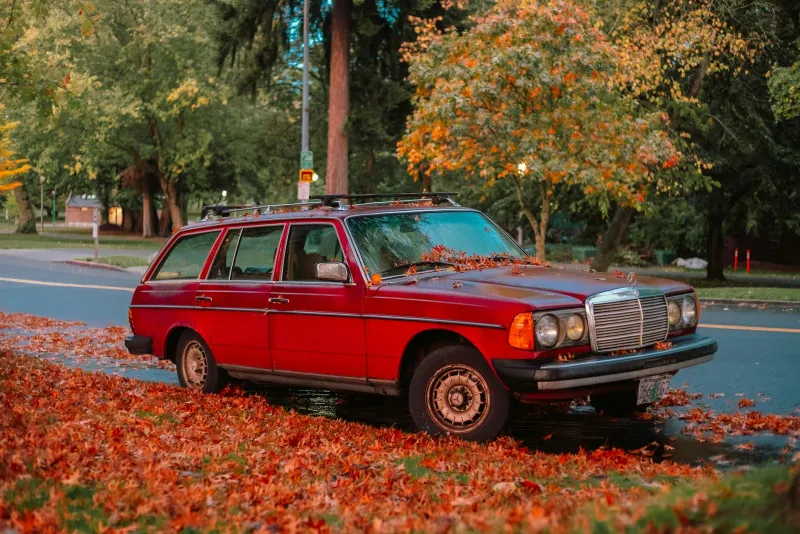
In the summer of 1987, the Johnson family from Akron, Ohio, loaded their wood-paneled station wagon with suitcases, snacks, and exactly one navigational tool: a AAA TripTik that traced their route to Yellowstone in bright yellow highlighter. Three weeks later, they returned home with stories about the world's largest ball of yarn, a diner in Nebraska that served pie for breakfast, and a wrong turn that led to the most beautiful sunset they'd ever seen.
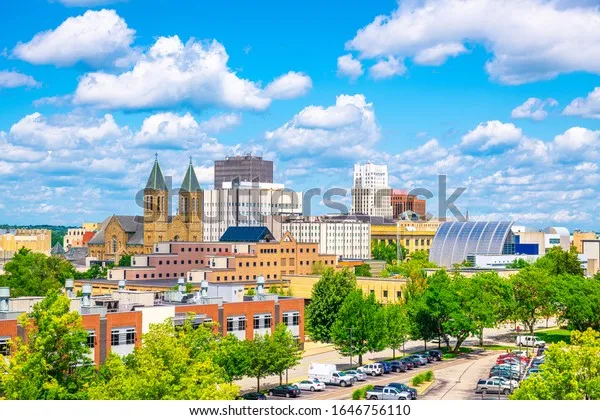 Photo: Akron, Ohio, via www.shutterstock.com
They couldn't Google any of it ahead of time. That was the entire point.
The Art of Analog Adventure
Pre-internet family vacations operated on a fundamentally different philosophy: the journey was supposed to be unpredictable. Parents planned the broad strokes — destination, approximate route, maybe the first night's hotel — but everything else was gloriously up for grabs.
The AAA TripTik was a marvel of analog technology: a spiral-bound booklet of strip maps that showed your route broken into manageable sections. It highlighted major highways, suggested scenic routes, and marked approved motor lodges, but it couldn't tell you if the restaurant you were approaching had good reviews or if the motel had bedbugs.
Families carried road atlases the size of phone books, with pages worn soft from folding and unfolding. Dad was the designated navigator, mom handled snack distribution, and kids entertained themselves by counting license plates and arguing over who got the window seat.
The Democracy of Roadside Discovery
Without Yelp reviews or TripAdvisor rankings, every roadside stop was a gamble. That truck stop diner might serve the best chicken-fried steak in three states, or it might give everyone food poisoning. The only way to find out was to pull over and take your chances.
This democratic approach to travel meant that hidden gems stayed hidden until you stumbled across them. The quirky museum, the family-owned restaurant that had been serving the same recipes for forty years, the scenic overlook that wasn't marked on any map — these discoveries felt earned because you couldn't have planned them.
Kids learned to read road signs and interpret maps because they had to. "Keep an eye out for Route 34" wasn't just a suggestion — it was a survival skill. Wrong turns were educational opportunities, not navigation failures to be immediately corrected by a robotic voice.
The Beautiful Anxiety of Not Knowing
Modern families can't imagine the low-level anxiety that accompanied pre-internet travel. Will we find a place to eat dinner? Is this hotel going to be decent? Are we even going the right way?
But that uncertainty created something valuable: genuine adventure. Every day brought real decisions with unknown consequences. Take the scenic route and risk arriving after dark? Stop at the roadside attraction that might be a tourist trap? Trust the local's recommendation for "the best barbecue you'll ever taste"?
These decisions mattered because you couldn't research them beforehand. Your family vacation became a series of small leaps of faith that either paid off beautifully or became the stories you'd laugh about for years.
The Strangers Who Shaped Your Trip
Without internet reviews, travelers relied on human recommendations. Gas station attendants became informal tourism ambassadors, suggesting shortcuts and warning about construction delays. Waitresses recommended their favorite local attractions. Hotel clerks knew which rooms had the best views and which restaurants stayed open late.
These interactions weren't just transactional — they were social. Kids learned to talk to adults, ask for directions, and say thank you. Parents modeled how to be polite to strangers and grateful for help. The vacation became a crash course in human interaction and regional culture.
Some of the best travel memories came from these chance encounters: the farmer who let you pick peaches from his orchard, the motel owner who drew a hand-sketched map to the hidden waterfall, the family at the next picnic table who recommended their favorite hiking trail.
The Revolution of Total Information
Today's family vacation begins months before departure with exhaustive online research. Parents read hundreds of reviews, compare hotel amenities, map out restaurant options, and create detailed itineraries that account for traffic patterns and bathroom breaks.
Every roadside attraction has been photographed, reviewed, and rated. Every restaurant's menu is available online with customer photos of the actual food. Every hotel room has been documented from multiple angles by previous guests.
GPS navigation has eliminated wrong turns, paper maps, and the need to ask for directions. Apps recommend the fastest route, warn about traffic delays, and suggest alternative paths in real-time. Getting lost isn't just unlikely — it's nearly impossible.
What Optimization Actually Costs
This information revolution has undeniably improved travel in measurable ways. Families waste less time, encounter fewer disappointments, and can maximize their vacation experiences. Nobody misses truly terrible restaurants or genuinely unsafe accommodations.
But something intangible has been lost in the optimization. When every restaurant has been pre-screened and every route has been calculated for maximum efficiency, travel becomes execution rather than exploration.
Modern families often return from vacation feeling like they've completed a project rather than had an adventure. They've seen everything they planned to see, eaten at restaurants they knew they'd enjoy, and stayed in hotels that met their researched expectations. It was all very satisfactory and entirely predictable.
The Paradox of Perfect Planning
The cruel irony is that perfect information has made travel both easier and less transformative. When you know exactly what to expect, you're rarely surprised, delighted, or challenged by what you encounter.
The Johnson family's 1987 Yellowstone trip included wrong turns, mediocre meals, and a motel that definitely wouldn't have earned four stars on any review site. But it also included unexpected discoveries, genuine surprises, and the kind of family bonding that happens when you're figuring things out together in real-time.
Today's families can avoid every wrong turn and bad meal, but they also miss the detours that lead to unexpected magic. They can eliminate travel anxiety, but they also eliminate the small triumphs that come from navigating uncertainty successfully.
The Lost Art of Getting Lost
Maybe the real question isn't whether modern travel is better or worse, but what kind of experience we're optimizing for. Are we trying to maximize efficiency and minimize disappointment? Or are we seeking transformation, discovery, and the kind of stories that get better with each retelling?
The Johnson family couldn't Google the world's largest ball of yarn ahead of time, couldn't read reviews of that Nebraska diner, and couldn't avoid the wrong turn that led to the unforgettable sunset. Those experiences shaped their vacation precisely because they couldn't be planned.
In our rush to eliminate travel's uncertainties, we might have eliminated its magic too.