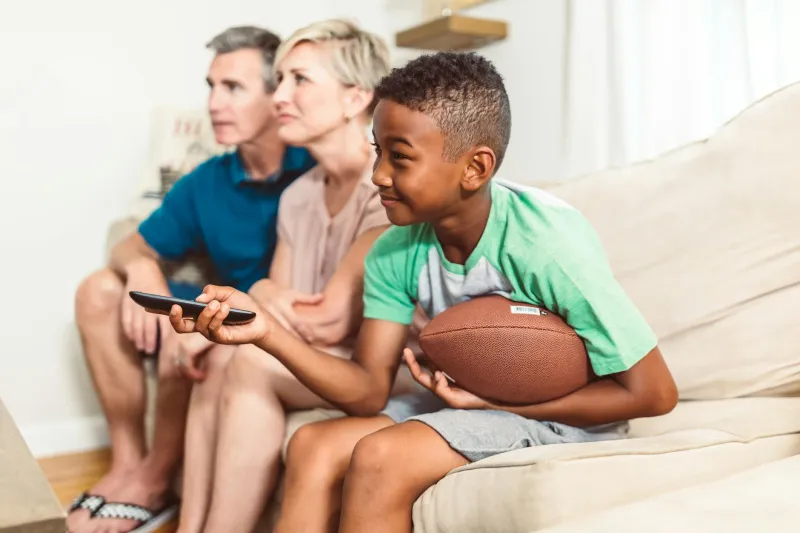
The Nightly Referendum
Every evening at 7 PM, the Peterson family faced the same democratic challenge: five people, one television, three channels. Dad wanted the news. Mom preferred variety shows. Teenage Sarah lobbied for American Bandstand. Ten-year-old Bobby demanded cartoons. Grandma just wanted something "decent."
Someone had to win. Someone had to lose. And somehow, they had to figure it out together.
This wasn't dysfunction — it was democracy in its purest form, playing out in living rooms across America every single night.
When Scarcity Created Community
In 1965, the average American household received exactly three television channels: NBC, CBS, and ABC. If you lived in a big city, you might get a local independent station or educational channel, but that was luxury. Most families worked with the basic trinity of network television.
This scarcity forced a kind of collaboration that's completely foreign to modern entertainment consumption. Families developed complex negotiation systems: Dad got the news from 6 to 7, Mom controlled prime time on Tuesdays and Thursdays, kids ruled Saturday mornings, and Sunday belonged to whoever woke up first.
The single television set — usually a massive piece of furniture planted permanently in the living room — became the family's democratic institution. Watching TV required physical presence, vocal participation, and constant compromise. You couldn't retreat to your bedroom with a tablet. You couldn't put on headphones and disappear into your own content bubble. You had to engage with what everyone else wanted to watch, or argue for something better.
The Art of the Family Compromise
These nightly negotiations taught American children skills that no civics class could match. They learned to build coalitions ("If we watch Dad's cowboy show now, can we have cartoons after dinner?"), compromise on timing ("Mom gets her variety show, but we change the channel during commercial breaks"), and accept defeat gracefully ("Fine, but I get to pick tomorrow night").
Parents became skilled mediators, balancing competing interests while maintaining some semblance of adult authority. The phrase "Because I said so" carried extra weight when it determined what six people would stare at for the next hour.
Some families developed elaborate point systems or rotating schedules. Others operated as benevolent dictatorships where parents maintained veto power over objectionable content. A few households embraced pure democracy, with majority rule determining each evening's entertainment.
The Shared Cultural Experience
This forced togetherness created something remarkable: truly shared cultural experiences. When 60 million Americans watched The Ed Sullivan Show on Sunday night, they weren't just consuming entertainment — they were participating in a national conversation that would continue at work, school, and neighborhood gatherings all week.
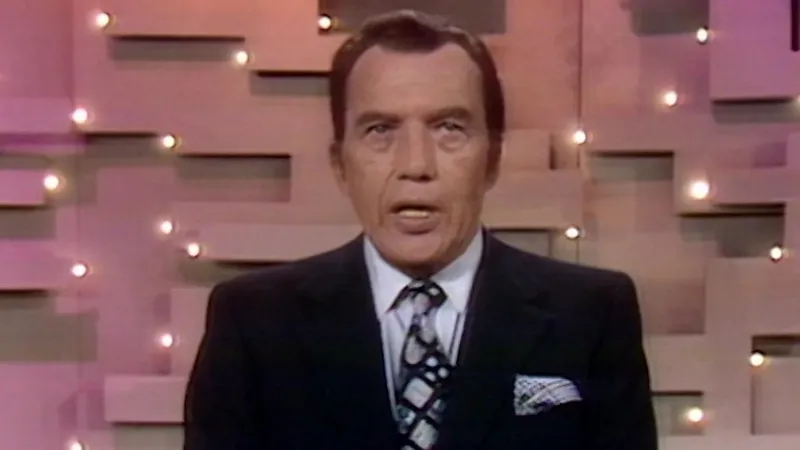 Photo: The Ed Sullivan Show, via images.mubicdn.net
Monday morning discussions revolved around what everyone had watched Sunday night, because everyone had watched the same handful of shows. Water cooler conversations didn't require explanation or context. If you mentioned Johnny Carson's monologue or Lucy's latest scheme, everyone knew exactly what you meant.
 Photo: Johnny Carson, via i.ytimg.com
Children absorbed adult programming by osmosis, learning about current events through their parents' news shows and developing appreciation for variety acts, game shows, and dramatic programming they'd never choose independently. Parents, meanwhile, found themselves surprisingly invested in children's programming, creating cross-generational bonds around shared viewing experiences.
The Tyranny of the Remote
The arrival of the remote control in the 1970s shifted family TV dynamics dramatically. Suddenly, the person holding the clicker wielded disproportionate power. "Channel surfing" became possible, allowing quick sampling of available options during commercial breaks.
But even with remotes, the fundamental scarcity remained. Cable television was expensive and limited. Most families still worked with a dozen channels at most, and prime time offered only three or four viable options. The remote just made the negotiation process faster and more fluid.
Families developed remote control protocols: Dad controlled it during news broadcasts, kids got it during their designated times, and Mom arbitrated disputes. Some households banned channel changing during programs, while others embraced the new flexibility of commercial-break browsing.
The Fragmentation Begins
By the 1980s, cable television began offering specialized channels, and the first cracks appeared in the shared viewing experience. MTV gave teenagers their own programming universe. ESPN carved off sports fans. CNN created a 24-hour news cycle that competed with traditional family programming.
Multiple television sets became more affordable, allowing families to split up for the first time. Kids could retreat to basement rec rooms or bedroom TVs, while parents maintained control over the main living room set. The era of mandatory family viewing was ending, though most households still gathered for major events and popular shows.
The Digital Demolition
Today's entertainment landscape would be unrecognizable to the Peterson family of 1965. Netflix offers thousands of viewing options. Every family member carries a personal entertainment device capable of accessing unlimited content. Streaming services provide individualized recommendations based on viewing history. The idea of watching something you don't personally enjoy has become almost absurd.
Modern families can sit in the same room while consuming completely different content on separate screens. Parents binge-watch prestige dramas on tablets while children stream cartoons on phones. Shared viewing experiences require deliberate coordination rather than happening naturally.
The democratic skills that families once developed through television negotiations have largely disappeared. Children grow up expecting personalized entertainment on demand, with no experience in compromise, delayed gratification, or accepting majority rule when it goes against their preferences.
What Democracy Lost
The shift from scarce, shared television to abundant, personalized entertainment represents more than technological progress — it reflects the broader fragmentation of American social life. When families stopped negotiating over TV channels, they lost a daily practice in democratic decision-making.
Those living room arguments over whether to watch Bonanza or Bewitched taught children that democracy is messy, frustrating, and requires constant compromise. They learned that getting your way sometimes means accepting losses other times, and that group decisions often satisfy nobody completely while somehow working for everyone.
The three-channel universe forced families to find common ground in their entertainment choices. Today's infinite options allow complete personalization, but they've eliminated the need to consider other people's preferences or find programming that appeals across generational and interest lines.
The Paradox of Choice
Netflix's recommendation algorithm knows exactly what you want to watch based on your viewing history, but it can't replicate the experience of discovering something unexpected because your sister controlled the remote that night. Streaming services excel at delivering personalized content, but they've eliminated the serendipity of stumbling across programming you'd never choose independently.
The Peterson family's 7 PM negotiations were often frustrating and sometimes unfair, but they created genuine shared experiences and taught valuable lessons about living with other people. Today's families have perfect entertainment solutions for every individual member, but they've lost the messy, democratic process that once brought them together every evening.
The Lost Art of Watching Together
When America had three channels and one TV per household, families had no choice but to practice democracy every night. They learned to negotiate, compromise, and sometimes just accept that Dad really did get to watch the news because he worked all day and paid for the television set.
Those skills transferred to other aspects of family life and civic participation. Children who grew up arguing over TV channels became adults who understood that democracy requires patience, flexibility, and the ability to live with decisions you don't personally support.
We gained infinite entertainment options and lost the beautiful, frustrating art of watching something together that nobody loved but everyone could tolerate. In our rush toward personalized perfection, we left behind the messy, democratic magic of the shared American living room.