The Neighborhood Fix-It Guy Knew Your Refrigerator by Name: How America Lost Its Repair Culture
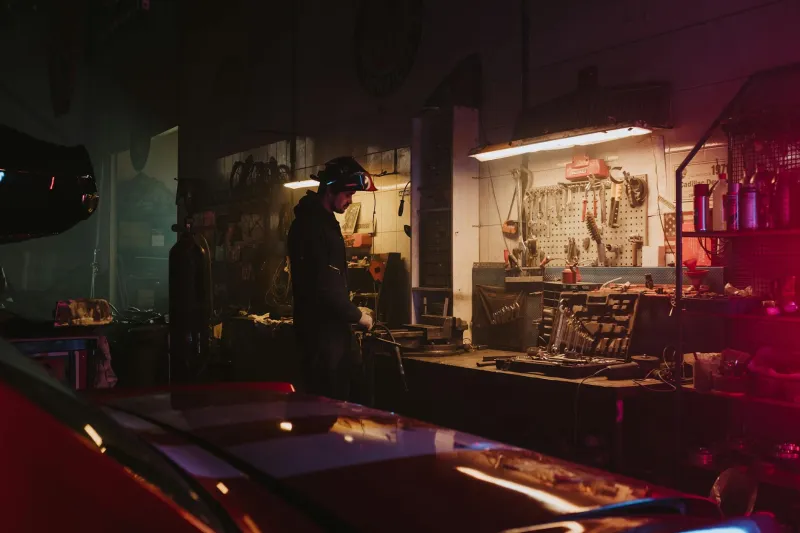
When Breaking Meant Fixing, Not Shopping
Picture this: Your washing machine starts making that grinding noise that means trouble. In 1975, you'd call Murphy's Appliance Repair, and by Thursday afternoon, Murphy himself would be in your basement with a toolbox that looked like it survived World War II. He'd diagnose the problem in five minutes, charge you $15 for a new belt, and your washer would run for another decade.
Today? You Google "washing machine repair near me," get quoted $200 for a service call, and realize you can buy a new machine at Costco for $400. The repair guy becomes the delivery guy, and your "broken" washer joins 9 million other appliances in American landfills each year.
The transformation of America's repair culture represents one of the most dramatic shifts in how we live, consume, and relate to our possessions. It's a story that goes far deeper than convenience—it's about the death of durability and the birth of disposability.
The Golden Age of the Local Fix-It Network
Every American neighborhood once had its cast of repair characters. There was the TV repairman who made house calls with a van full of vacuum tubes. The shoe cobbler who could make your Florsheims look brand new. The small appliance guy who fixed toasters, blenders, and hair dryers from a cluttered shop that smelled like motor oil and possibility.
These weren't just service providers—they were neighborhood institutions. Your appliance repairman knew the quirks of your 20-year-old Frigidaire because he'd been servicing it since it was new. The television repair shop owner could diagnose your set's problem over the phone just by describing the symptoms.
Repair was economical because products were built to be repaired. Manufacturers designed appliances with accessible parts, clear schematics, and the expectation that skilled technicians would keep them running for decades. A quality refrigerator was a 25-year investment, not a 7-year lease on convenience.
The Economics of Keeping Things Running
In 1970, the average American household spent about 2% of their income on appliances and furniture combined. These purchases were major decisions, often financed over months or years. When your $300 refrigerator (about $2,000 in today's money) broke down, spending $25 to fix it was obvious math.
The repair economy supported thousands of small businesses. Nearly every town had multiple appliance repair shops, and larger cities had specialists for specific brands or types of equipment. These businesses employed skilled technicians who understood mechanical systems, could read wiring diagrams, and took pride in bringing dead machines back to life.
Customers developed relationships with their repair people that lasted decades. Your appliance guy became part of your extended household support network, like your family doctor or longtime mechanic. He'd show up with the right part because he remembered fixing the same issue on your neighbor's identical model last month.
When Everything Became Disposable
The shift began in the 1980s and accelerated through the 1990s. Manufacturing moved overseas, reducing costs but also reducing repairability. Products became more complex but less durable. Computer chips replaced mechanical components, making diagnosis require expensive equipment rather than experienced eyes and ears.
Manufacturers discovered that planned obsolescence was more profitable than durability. Why sell someone one refrigerator that lasts 30 years when you can sell them three that last 10 years each? Warranty periods shortened. Replacement parts became expensive or unavailable. Service manuals became proprietary secrets.
The economic equation flipped. Suddenly, repairing a broken appliance cost more than replacing it. The $50 service call plus $80 in parts plus $60 in labor meant your $150 microwave was better off in the trash. The repair shops couldn't compete with big box stores selling new appliances at prices lower than repair costs.
The Modern Reality of Built-in Obsolescence
Today's appliances are marvels of efficiency and features that would have seemed like science fiction in 1975. Your smartphone-connected dishwasher uses less water and energy than anything your grandmother could have imagined. But when it breaks, you're more likely to call a removal service than a repair service.
The average American household now replaces major appliances every 8-12 years, not because they're worn out, but because repair is economically irrational. We've traded durability for initial affordability, craftsmanship for convenience, and relationships for transactions.
Modern repair services exist, but they're often corporate chains with technicians who swap modules rather than fix components. The neighborhood appliance guy who knew your family and your house has been replaced by a call center that schedules a contractor who might show up sometime between 8 AM and 6 PM.
What We Lost When We Stopped Fixing
The death of repair culture changed more than our shopping habits. It transformed our relationship with material possessions. Previous generations bought things to keep them. We buy things to use them up.
This shift contributed to a throwaway mentality that extends far beyond appliances. We replace phones annually, furniture seasonally, and clothing constantly. The skills of diagnosis, troubleshooting, and careful maintenance have largely disappeared from American households.
We also lost the community connections that repair relationships fostered. Your neighborhood repair network was part of the social fabric that made communities feel stable and interconnected. These were the people you trusted with your home, your possessions, and often your problems.
The Price of Convenience
The modern system offers undeniable benefits. Appliances are more efficient, safer, and initially cheaper than ever before. When something breaks, replacement is fast and convenient. You don't have to wait for parts or coordinate repair appointments.
But the hidden costs are enormous. Americans now generate over 6 million tons of electronic waste annually. The environmental impact of constant replacement far exceeds the energy savings of more efficient appliances. And the financial impact, while hidden in smaller frequent purchases rather than occasional large repairs, has fundamentally changed household economics.
Signs of a Repair Renaissance
Interestingly, a small but growing repair movement is emerging. Right-to-repair legislation is gaining traction in several states. Independent repair shops are finding niches in smartphone and computer repair. Some consumers are rediscovering the satisfaction and economics of fixing rather than replacing.
Young entrepreneurs are building businesses around extending product life rather than accelerating replacement. Subscription services now offer appliance maintenance and repair, trying to recreate the relationship model that once made repair economical.
The neighborhood fix-it guy might not be coming back exactly as he was, but Americans are slowly remembering that throwing things away isn't the only option when they break. Sometimes the old ways were better ways, and sometimes progress means learning to value durability over disposability once again.