The Sound of Coins in a Mason Jar
In 1965, if a ten-year-old in suburban Detroit wanted a new baseball glove, he knew exactly what that meant: eight weeks of lawn mowing, two months of collecting bottles for the five-cent deposit, and the slow, satisfying clink of quarters dropping into a mason jar on his dresser. The glove cost $12, and at 50 cents a week in allowance plus whatever odd jobs he could find, that purchase represented genuine sacrifice and planning.
Today's American kids live in a fundamentally different economic reality. The average child receives $30 per week in allowance — adjusted for inflation, that's about six times what their 1960s counterpart earned. But more importantly, they rarely handle physical money at all. Parents load funds onto apps, make purchases with a tap, and kids request what they want through Amazon wishlists that arrive within 48 hours.
When Every Purchase Was an Event
The transformation of childhood spending habits tells a larger story about how America changed its relationship with money, patience, and value. In the mid-20th century, a child's financial education happened organically through the simple friction of earning, saving, and spending real money.
Consider the paper route — that quintessentially American childhood job that shaped generations of entrepreneurs and taught basic business principles. In 1970, over 3 million American children delivered newspapers, collecting payments door-to-door and learning to manage customers, handle money, and solve problems independently. Today, fewer than 100,000 kids have paper routes, and most newspapers are delivered by adults driving cars.
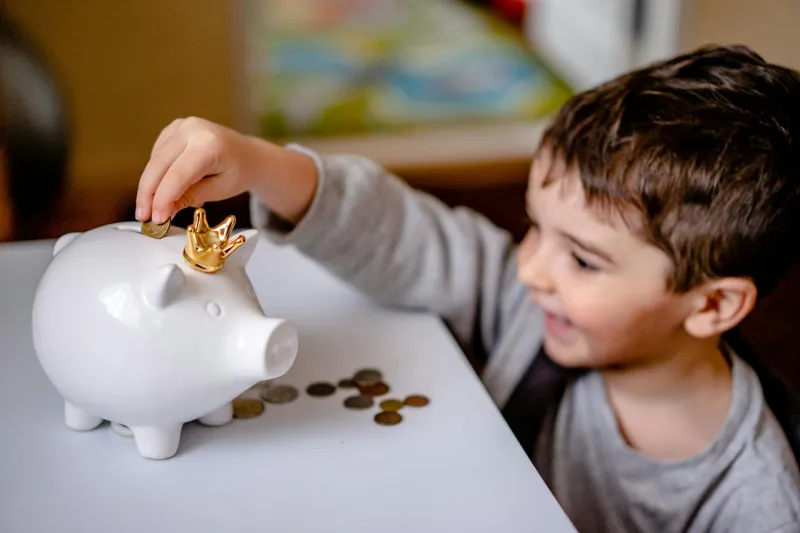
The weekly allowance ritual itself was different. Parents handed over actual coins and bills, often tied to completed chores or good behavior. Children physically handled their money, counted it, and made tangible decisions about how to spend it. The weight of quarters in a pocket and the careful counting of bills created a visceral connection to the value of money that digital transactions simply can't replicate.
The Economics of Wanting Something
In 1975, the average American child received about $2 per week in allowance — roughly $10 in today's money. A popular toy like a Big Wheel cost around $25, meaning a child had to save for two and a half months to afford it. That waiting period wasn't just about accumulating money; it was about learning to distinguish between wants and needs, developing patience, and appreciating the value of delayed gratification.
Modern childhood operates on different principles. When kids want something, they often get it immediately or add it to a digital wishlist that parents fulfill without much ceremony. The average American child today receives about $780 per year in allowance, plus gifts, plus purchases parents make on their behalf. They have more spending power than any generation in history, but less understanding of how money works.
The Lost Art of Earning
The shift away from traditional childhood jobs reflects broader changes in American society. Helicopter parenting, increased focus on academics and organized activities, and legitimate safety concerns have largely eliminated the informal economy that once taught kids about work and money. Lemonade stands require permits in many cities. Babysitting has been professionalized. Even simple chores are often outsourced to hired help.
Where 1960s kids might spend Saturday morning going door-to-door offering to wash cars or rake leaves, today's children are more likely to be shuttled between soccer practice and piano lessons. Their time is scheduled and supervised in ways that leave little room for the entrepreneurial experimentation that once characterized American childhood.
Digital Money, Different Lessons
The rise of digital payments has fundamentally altered how children understand money. When transactions happen through apps and cards, money becomes abstract — numbers on a screen rather than physical objects with weight and presence. Studies show that people spend 12-18% more when using digital payment methods compared to cash, and this effect is even more pronounced in children who have never developed a tactile relationship with money.
Parents today often use allowance apps that automatically transfer funds, track spending, and even provide investment opportunities for kids. While these tools offer sophisticated financial education, they skip over the basic emotional and psychological lessons that came from handling physical money. The satisfaction of saving coins in a jar, the careful counting of bills, and the weight of a hard-earned purchase in your hands — these experiences shaped how entire generations understood value and effort.
What We Lost When We Gained Convenience
The transformation of childhood allowances reflects a broader American shift toward convenience and instant gratification. In gaining efficiency and purchasing power, we may have lost something more valuable: the formative experience of wanting something badly enough to work and wait for it.
Today's children are incredibly sophisticated consumers who understand brands, compare prices online, and navigate complex digital marketplaces. But they're growing up without the fundamental experience of scarcity that shaped their grandparents' character. They know how to spend money, but they may never learn the deeper lessons that come from truly earning it.
The quarter that took two months to earn taught more than just math — it taught that good things come to those who wait, that work has dignity, and that the sweetest purchases are the ones you've sacrificed for. In our rush to give our children everything, we may have forgotten to give them the gift of having to wait for something.