The Sacred Pact of the Pre-Digital Era
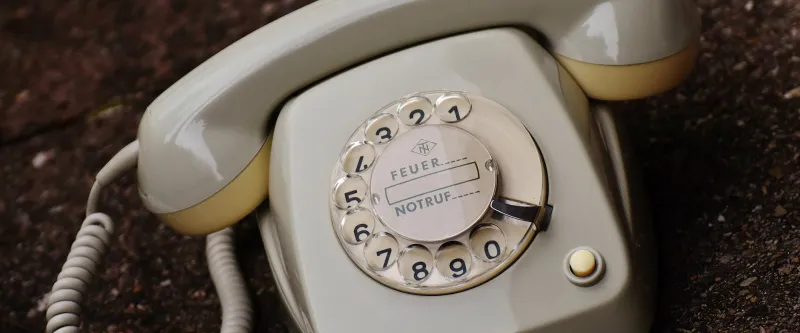
Picture this: It's Thursday night in 1987, and you want to see a movie with friends this weekend. You call Sarah from the kitchen phone — the one with the 15-foot cord that barely reaches around the corner. Her mom answers, you wait while she gets Sarah, and together you coordinate with three other people through a series of separate phone calls. You agree: Saturday, 7 PM, meet at the theater lobby. No backup plans, no "text me when you get there," no GPS coordinates. Just a time, a place, and an unspoken understanding that everyone will show up.
That simple agreement represented something that barely exists anymore: a binding social contract with no escape clause.
When Your Word Was Your Technology
Before cell phones, making plans was an elaborate dance of coordination that required genuine commitment. You couldn't cancel last minute with a quick text. You couldn't show up late with an "on my way" message. Once you left your house, you were essentially unreachable until you arrived at your destination. This technological limitation created a social framework built on reliability, punctuality, and follow-through.
The busy signal was America's first lesson in digital patience. You'd call someone, get that persistent beep-beep-beep, and have to try again later. Sometimes you'd call back every ten minutes for an hour. The party line meant your neighbors might be listening to your conversation. Long-distance calls were expensive enough that you planned what you wanted to say before dialing.
These inconveniences weren't just technological limitations — they were social training wheels that taught Americans how to communicate with intention and purpose.
The Art of the Precise Plan
Without the ability to adjust plans on the fly, people became incredibly specific about arrangements. "Meet at the mall" wasn't enough — you needed to know exactly which entrance, which store, which floor. "Around 8 PM" was too vague when there was no way to communicate delays. Plans were made with military precision because they had to be.
Dating was particularly elaborate. A young man couldn't just text "hey, want to hang out?" He had to call, speak to parents, make specific arrangements, and follow through exactly as promised. Being late meant your date would be standing alone, checking their watch, with no way to know if you were coming. The social pressure to be reliable was enormous.
Friends developed intricate backup systems. If the first plan fell through, you'd agree on a secondary meeting spot. If someone didn't show up by a certain time, everyone knew to go to the backup location. These contingencies were discussed and agreed upon in advance because real-time communication wasn't an option.
The Golden Age of Showing Up
This system created what might have been the most reliable generation in American history. When people made plans, they kept them. Being "flaky" wasn't just annoying — it was socially devastating because there was no way to minimize the damage of a no-show. If you didn't appear at the agreed time and place, your friends would wait, worry, and eventually leave, having wasted their entire evening.
The psychological weight of this responsibility shaped how people approached commitments. You thought carefully before agreeing to plans because you knew you'd have to follow through. You left early to account for traffic because being late meant leaving someone stranded. You brought quarters for the payphone in case of genuine emergencies.
Restaurants didn't take reservations lightly — if you made one, you were expected to keep it. Concert tickets were bought weeks in advance with careful coordination about who would drive, where to meet, and what time to leave. Every social gathering required the kind of advance planning that today's generation reserves for international travel.
The Death of Commitment Culture
The introduction of cell phones initially seemed like it would make coordination easier. And in many ways, it did. You could call if you were running late. You could find each other in crowded places. You could adjust plans based on real-time information.
But something unexpected happened: the ability to change plans created a culture of tentative commitment. "Maybe" became an acceptable response to invitations. "Let me see how I feel" replaced firm yes-or-no answers. The option to bail out at the last minute with a text message removed the social pressure that had enforced reliability for generations.
Today's young adults navigate a social world where firm plans are rare. Everything is tentative, subject to change, dependent on mood and better options. The phrase "sorry, something came up" has become so common it's practically meaningless. Social gatherings often involve a complex series of group texts as people confirm, cancel, and re-confirm their attendance right up until the moment of the event.
What Frictionless Communication Actually Cost Us
The ease of modern communication came with hidden costs. When making plans was difficult, people valued those plans more highly. When changing plans was impossible, people became more thoughtful about their commitments. When being late meant genuinely inconveniencing others, punctuality became a virtue.
The old system wasn't perfect — genuine emergencies were harder to communicate, and inflexibility sometimes created its own problems. But it created a social fabric woven from mutual dependability. People knew they could count on each other because the alternative was social exile.
The Echo of Empty Promises
In gaining the ability to be constantly connected and endlessly flexible, American society may have lost something more valuable: the deep satisfaction that comes from being truly reliable. The person who always showed up, who kept their word, who could be counted on — these weren't exceptional people in 1985. They were just people who had grown up in a system that made reliability necessary for social survival.
Today's endless options and instant communication have created a paradox: we're more connected than ever but less committed to each other. We can reach anyone at any time, but we can't count on anyone to show up when they say they will.
The next time you're tempted to send that "running late" text or "can we reschedule?" message, remember: there was once a time when your word was your bond because it had to be. And America was probably a little more reliable because of it.