Three Cents and Three Weeks: When Love Letters Were Worth the Wait
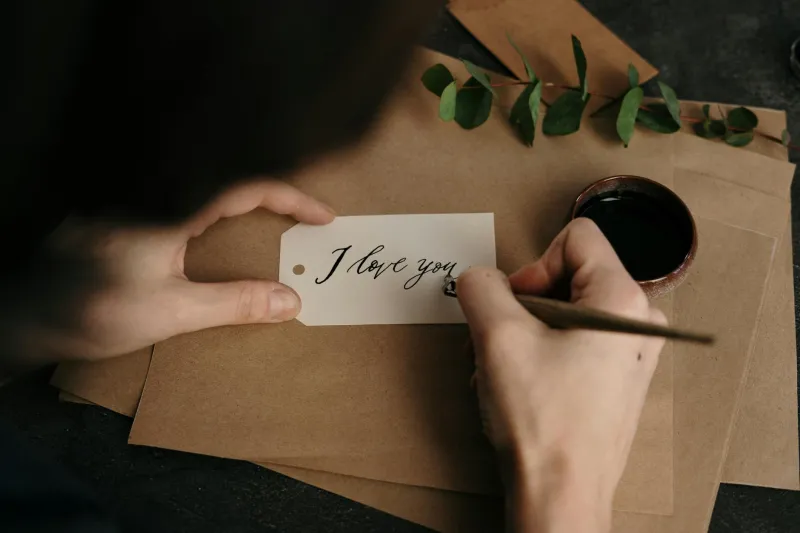
The Weight of a Single Sheet of Paper
Imagine waiting three weeks to know if the person you love received your last letter. Picture sitting down with a fountain pen, knowing that every word you write might be read and reread dozens of times before you have a chance to clarify, correct, or take anything back. This was the reality of romance in America before Alexander Graham Bell changed everything.
In 1950, the average American household received about 12 pieces of mail per day. Today, it's closer to three — and most of that is bills and advertisements. Lost in that decline is one of the most intimate forms of human connection: the handwritten love letter that traveled hundreds or thousands of miles to reach waiting hands.
When Distance Measured Love
The courtship between future President Harry Truman and his wife Bess spanned nearly a decade of letters. Between 1910 and 1919, Truman wrote over 1,300 letters to Bess — not because they lived on different continents, but because he lived on a farm 20 miles away from Kansas City. Twenty miles might as well have been twenty countries when your only options were a horse-drawn buggy or an expensive train ticket.
Every relationship that survived any distance required this kind of patience. College sweethearts separated by summer vacation, soldiers deployed overseas, or simply young people whose families moved to different towns — they all lived by the rhythm of the postal service. Mail delivery became the heartbeat of romance.
The Ritual of Waiting
Postal workers in the 1940s could predict which houses would have someone waiting by the mailbox on certain days. Young women would time their daily routines around mail delivery, and the sight of a familiar handwriting on an envelope could make or break an entire week.
The anticipation was everything. Unlike today's instant messages that demand immediate responses, a letter represented weeks of built-up emotion, carefully crafted thoughts, and news that had been aging like wine during its journey. Opening a letter meant catching up on three weeks of someone's life all at once — their mood swings, daily observations, and evolving feelings compressed into a few precious pages.
When Every Word Mattered
Because you couldn't send a quick follow-up text to clarify what you meant, every sentence in a love letter carried enormous weight. Writers would draft and redraft their thoughts, understanding that a poorly chosen word might be misinterpreted for weeks before they could explain themselves.
This constraint created a different kind of intimacy. Letters from the 1940s and 1950s read like small novels — detailed accounts of daily life, careful explanations of feelings, and thoughtful responses to points raised in letters received weeks earlier. People became better writers by necessity, learning to paint complete emotional pictures with just words and paper.
The Economics of Romance
A first-class stamp in 1950 cost three cents — about 36 cents in today's money. For young people earning $1.40 per hour at minimum wage jobs, maintaining a long-distance relationship meant budgeting for postage the same way modern couples budget for phone bills or plane tickets.
Some couples developed elaborate systems to reduce costs. They'd write on both sides of thin paper, squeeze words into margins, and save up news for longer letters rather than sending frequent short ones. Others would coordinate their mailing schedules, ensuring letters crossed in the mail to maximize the emotional impact of simultaneous arrivals.
What We Gained and Lost
Today's couples can video chat across oceans for free, share photos instantly, and maintain constant contact throughout the day. Modern technology has eliminated the anxiety of waiting and wondering, the fear that letters might be lost, and the heartbreak of mail delays.
But something disappeared along with those handwritten envelopes. The physical act of writing by hand creates different neural pathways than typing — it's slower, more deliberate, and more connected to emotion. A handwritten letter is a physical object that can be held, smelled, and treasured in ways that digital messages cannot.
More importantly, the enforced patience of letter-writing created space for reflection that instant communication eliminates. When you know your response won't be read for two weeks, you think differently about what you want to say. When you know someone spent an hour crafting their thoughts just for you, you read more carefully.
The Last Generation of Letter Writers
By the 1970s, long-distance phone calls were becoming affordable for middle-class families. By the 1990s, email was replacing personal letters. Today, even email feels slow compared to texting and instant messaging.
The last generation to court primarily through letters is now in their 80s and 90s. Many still have shoeboxes full of correspondence from their youth — tangible proof of relationships that developed one carefully written page at a time.
Their grandchildren, meanwhile, have thousands of digital messages from romantic partners but nothing they can hold in their hands or rediscover in an attic decades later.
The Paradox of Connection
We're more connected than ever, yet surveys consistently show that young people report feeling lonelier than previous generations. Perhaps the constant availability of communication has made it less precious. When you can reach someone anytime, the urge to reach them diminishes.
The three-cent stamp and three-week wait created a different kind of relationship — one built on anticipation, careful thought, and the understanding that connection was something worth waiting for. In our rush to eliminate waiting from romance, we may have eliminated something essential along with it.