Tuesday Night Meant Everyone Watched the Same Show — and It Changed America
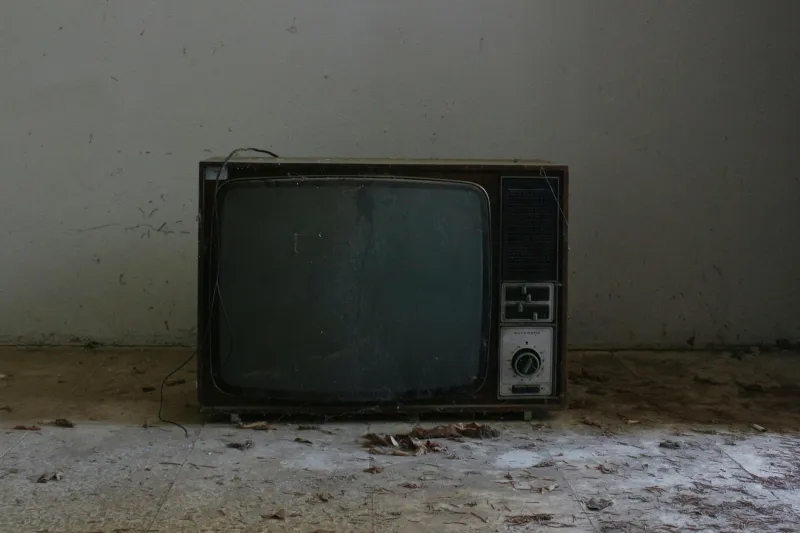
When America Had an Appointment
Every Tuesday at 8 PM Eastern, 60 million Americans stopped what they were doing and gathered around their television sets. They weren't watching different shows on different devices in different rooms — they were all watching the same program, at the same time, sharing an experience that would be the topic of conversation in offices, schools, and coffee shops the next morning.
This was 1978, and the show was "Happy Days." For that one hour, nearly half of all American households were tuned to the same channel, watching Fonzie and Richie Cunningham navigate life in fictional Milwaukee. It's a level of cultural unity that seems almost impossible to achieve today.
The Three-Network Universe
Before cable television exploded viewing options, American television was dominated by three major networks: ABC, NBC, and CBS. Most households could receive between three and seven channels total, depending on their location and antenna setup. This scarcity created something remarkable: genuine appointment television that brought the entire country together.
On any given evening, 90% of Americans watching television were watching one of just three programs. The competition wasn't between hundreds of streaming services — it was between three carefully programmed lineups, each trying to capture the largest possible audience.
This forced programmers to create shows with broad appeal. They couldn't target narrow demographics or niche interests because their survival depended on attracting viewers from every age group, social class, and region. The result was programming that had to work for everyone.
The Ritual of Gathering
Television viewing in the 1970s and early 1980s was a family activity by necessity. Most households owned only one television set, typically positioned in the living room like a piece of furniture. Watching TV meant negotiating with parents, siblings, and sometimes grandparents about what to watch.
Families developed viewing routines that structured their entire evening schedule. Dinner was timed to end before favorite shows began. Homework was completed during commercial breaks. Phone calls were postponed until programs ended. The television schedule became the household schedule.
Children learned to share, compromise, and sit through programs they didn't necessarily enjoy because leaving meant missing their own shows later. Parents stayed informed about children's programming because they watched it together. The living room became a nightly gathering place in ways that seem quaint today.
Water Cooler Culture
The phrase "water cooler conversation" originated during this era because popular television shows provided universal conversation topics for American workplaces. When "MAS*H" aired its series finale in 1983, 77% of American households watched — meaning virtually every office worker had seen the same program the night before.
This shared viewing experience created a genuine national conversation. Everyone had opinions about who shot J.R. on "Dallas." Everyone could reference the same "Saturday Night Live" sketches. Everyone understood television-based jokes and cultural references because everyone was watching the same content.
Social interactions were lubricated by this common cultural vocabulary. Strangers could bond over shared television experiences. Regional and class differences were bridged by the universal experience of watching the same shows.
The Power of Simultaneity
What made this era unique wasn't just that everyone watched the same shows — it's that they watched them at exactly the same time. There were no DVRs, no streaming services, no way to watch programs on your own schedule. If you missed an episode, you might never see it again unless it appeared in summer reruns.
This simultaneity created genuine cultural moments. When 83 million Americans watched the "Who Done It" episode of "Dallas" in 1980, they were all discovering the answer to the season's biggest mystery at exactly the same moment. The collective gasp was literally collective.
Major television events became national experiences. The final episode of "MAS*H" was watched by more Americans than voted in that year's presidential election. These weren't just popular shows — they were shared cultural rituals.
The Beginning of the End
Cable television began fragmenting this unified experience in the 1980s. MTV launched in 1981, targeting teenagers with content their parents didn't want to watch. CNN provided 24-hour news for politics junkies. HBO offered premium programming for subscribers willing to pay extra.
Suddenly, families had reasons to watch different things. The teenager wanted music videos, Dad wanted sports, Mom wanted movies. The single television set became a source of conflict rather than unity.
By the 1990s, most American homes had multiple television sets. Family members could retreat to separate rooms to watch personalized content. The era of negotiated viewing was ending.
The Streaming Fragmentation
Today's entertainment landscape would be unrecognizable to viewers from the three-network era. Netflix alone offers more content than all three major networks combined produced in an entire decade. Add Disney+, HBO Max, Amazon Prime, Apple TV+, and dozens of other streaming services, and the options become virtually infinite.
Modern viewers can watch anything, anytime, anywhere. We've gained incredible convenience and choice. But we've lost the shared experience that once united American culture.
Even close friends rarely watch the same shows anymore. Workplace conversations about television require careful navigation — you can't assume anyone has seen the same content you have. Cultural references that once brought people together now divide them into smaller and smaller groups.
What We Lost in the Liberation
The end of appointment television freed us from the tyranny of network schedules and lowest-common-denominator programming. We can now find content perfectly suited to our individual tastes, watch on our own schedules, and never sit through anything we don't enjoy.
But we've also lost something irreplaceable: the experience of being part of a national audience. The feeling of knowing that millions of other people were sharing the same emotional experience at the same moment. The comfort of cultural references that everyone understood.
In fragmenting our viewing habits, we've fragmented our culture. We've gained infinite choice but lost common ground. We can watch anything we want, but we can no longer assume that anyone else wants to watch the same thing.
The Paradox of Connection
We have more ways to connect with people who share our specific interests than ever before. Online communities form around the most niche television shows. Social media allows real-time discussion of programs as they air.
But we've lost the broader connections that came from shared mass experiences. The awkward family negotiations over what to watch. The workplace conversations that included everyone. The cultural moments that truly brought the entire country together.
In our rush to personalize everything, we may have personalized away the very experiences that made us feel like part of something larger than ourselves.