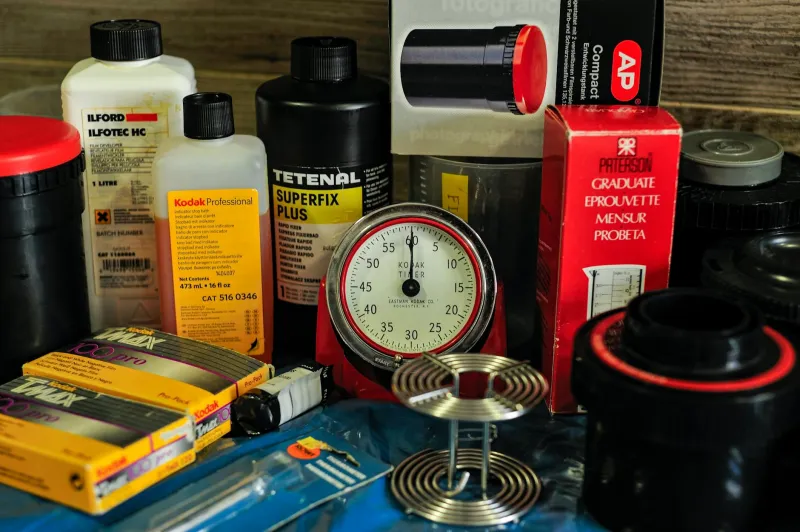
There's a particular kind of anxiety that today's smartphone generation will never experience: the sinking feeling of realizing you've just wasted one of your precious twenty-four exposures on a blurry, poorly composed disaster. In the age of film photography, every click of the shutter carried weight. Every photo was a small bet against uncertainty, and you wouldn't know if you'd won or lost until you walked into the drugstore two weeks later.
This was photography in America for most of the 20th century—deliberate, expensive, and thrillingly unpredictable.
The Economics of Memory
In 1975, a roll of Kodak film cost about $2, and developing it cost another $3. That might not sound like much until you adjust for inflation—we're talking about $15 in today's money for thirty-six photos. Suddenly, that casual snapshot of your lunch doesn't seem quite so casual.
Families approached photography with the seriousness of financial planning. The camera came out for birthdays, holidays, and special occasions. Everyday moments—the stuff that fills our phones today—weren't considered worth the expense. You didn't photograph your breakfast unless it was Christmas morning.
This economic pressure created a completely different relationship with image-making. Parents became directors, carefully orchestrating family photos to maximize their investment. "Everyone look this way. Smile. Hold it. Don't move." The phrase "say cheese" emerged from this era of photographic scarcity, when capturing a single good expression was worth the effort of coaxing it from reluctant subjects.
Vacation photography required military-level logistics. Families would plan their shots in advance, debate whether a particular landmark was worth "burning film," and ration their remaining exposures like wartime supplies. That iconic family photo at the Grand Canyon? It probably represented a significant portion of the trip's photography budget.
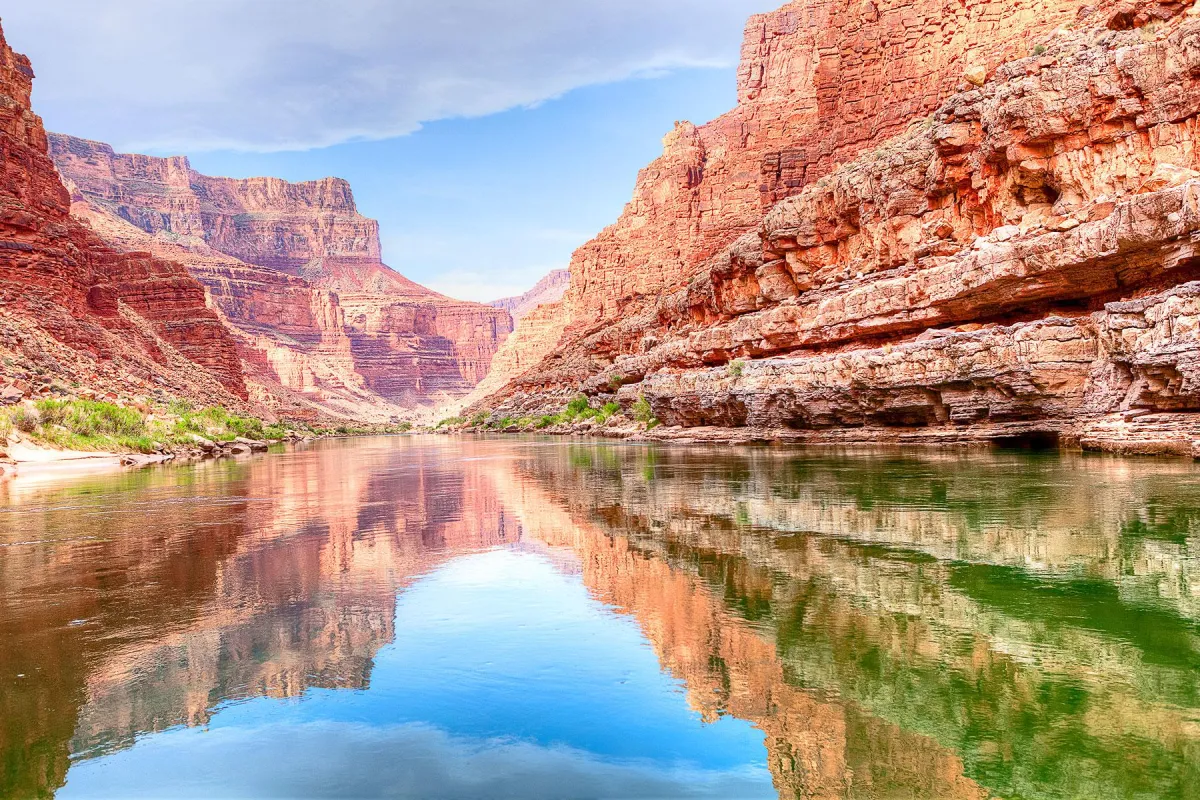 Photo: Grand Canyon, via www.fodors.com
The Ritual of Development
The gap between taking a photo and seeing it created a unique form of delayed gratification that shaped how Americans thought about memory. You'd drop off your roll at the local drugstore or photo lab, receive a little paper ticket, and then wait. One hour processing was a luxury that cost extra. Most people waited a week, sometimes two.
This delay transformed photography from documentation into mystery. By the time you picked up your prints, you'd often forgotten half the photos you'd taken. Opening that envelope was like receiving a gift from your past self—a collection of moments you'd captured but couldn't quite remember capturing.
The anticipation was part of the pleasure. Families would gather around the kitchen table to examine their returned photos, reliving vacation moments and laughing at unexpected expressions caught by the camera. The physical prints had weight and texture. They smelled like chemicals and possibility.
But the delay also meant living with uncertainty. That perfect sunset shot might have been ruined by camera shake. The family reunion photo could have been spoiled by someone blinking at the crucial moment. You wouldn't know until development day whether your most important memories had been successfully preserved or lost forever.
The Art of the Single Shot
Without the safety net of digital deletion and instant review, photographers developed different habits and skills. You learned to really look before shooting. Composition mattered more when you couldn't take fifty versions of the same image and choose the best one later.
Professional photographers were genuinely skilled craftspeople who understood light, timing, and mechanics in ways that today's point-and-shoot culture has largely abandoned. Wedding photographers, in particular, carried enormous pressure—there were no do-overs, no second chances, no "let me just take a few more to be safe."
Even amateur photographers developed more deliberate approaches. You'd wait for the right moment, consider the lighting, and think about whether the shot was worth the cost. This patience often resulted in more thoughtful, carefully composed images. When every frame counted, people took more care with each frame.
The famous "decisive moment" that Henri Cartier-Bresson wrote about wasn't just an aesthetic philosophy—it was a practical necessity. You had to recognize the peak of action and capture it in a single exposure, because you might not get another chance.
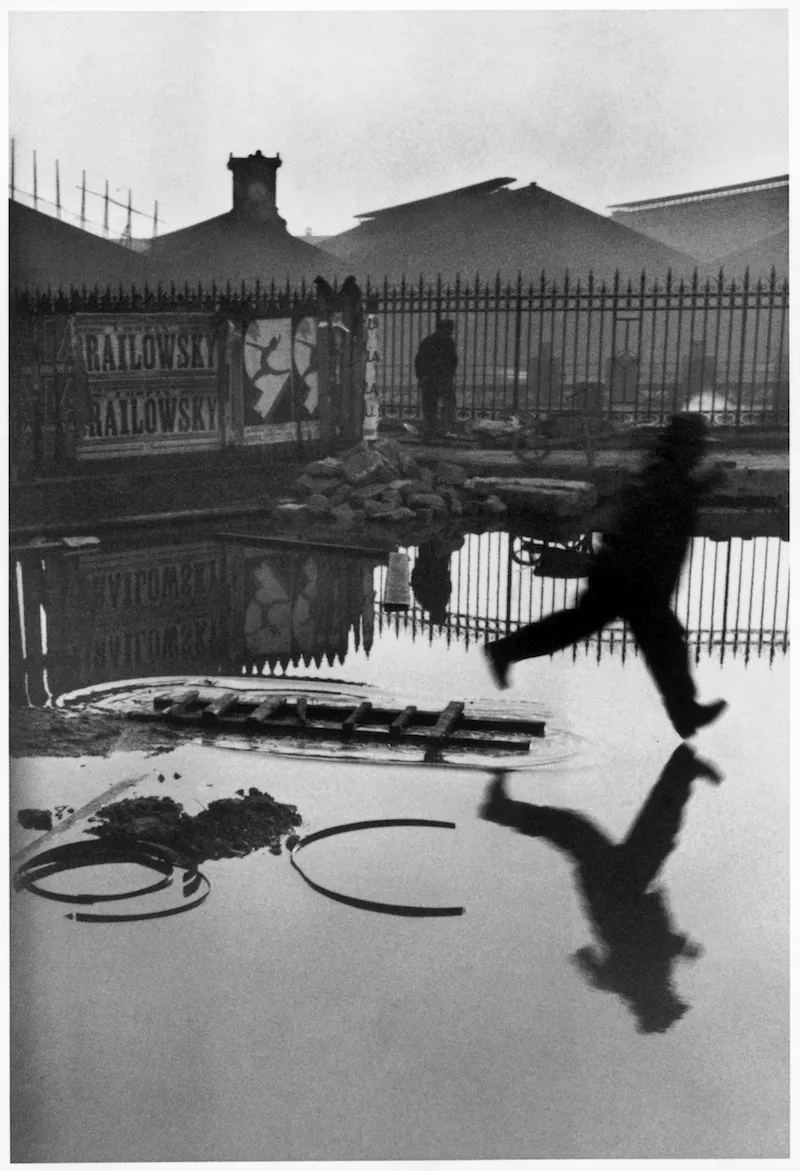 Photo: Henri Cartier-Bresson, via fotoroom.co
When Photos Were Rare and Precious
The scarcity of photographs made individual images more valuable. Family photo albums weren't stuffed with hundreds of similar shots—they contained carefully curated collections of significant moments. Each photo had been chosen, paid for, and preserved with intention.
This selectivity meant that family albums told cleaner, more focused stories. Instead of documenting every mundane detail of daily life, they highlighted the peaks: graduations, weddings, new babies, vacation highlights. The narrative was more compressed but often more powerful.
Photographs also carried different social weight. Giving someone a photo meant something. It required forethought, planning, and often expense. When your grandmother gave you a wallet-sized school photo, she'd probably ordered extras specifically for that purpose. The gesture had economic and emotional value that today's instant sharing can't replicate.
Losing photos was genuinely tragic. House fires didn't just destroy possessions—they erased irreplaceable visual history. Families would risk their lives to save photo albums because they understood that once those images were gone, they were gone forever. No cloud backup, no digital copies, no second chances.
The Transformation of Image Culture
The shift from film to digital photography didn't just change the economics of image-making—it fundamentally altered how Americans relate to visual memory. Today's smartphone user takes more photos in a month than their grandparents took in a decade. The average American now captures over 2,000 images per year, compared to maybe 100 in the film era.
This abundance has created new behaviors and anxieties. We photograph everything because we can, but we also worry about missing moments because we're too busy documenting them. The fear of not capturing something has replaced the old fear of wasting film.
Social media has added another layer of complexity, turning photography from private memory-making into public performance. Photos are no longer just personal records—they're content, communication, and social currency. The careful deliberation that film photography required has been replaced by instant sharing and immediate feedback.
The democratization of photography has undoubtedly enriched our visual culture. More people can participate in image-making, more moments get preserved, and more stories get told. But something has been lost in translation: the weight that individual images once carried, the anticipation that made each photo feel like a small gift, and the careful attention that scarcity demanded.
What We Lost When Photography Became Infinite
Today's digital photographers rarely experience the particular satisfaction of nailing a difficult shot on the first try, or the disappointment of discovering that a treasured moment was lost to poor focus or bad timing. The stakes are lower, but so is the sense of achievement.
The ritual aspects of photography—the careful loading of film, the mechanical advance of frames, the ceremonial trip to the photo lab—have been replaced by seamless digital workflows that happen largely without conscious thought. We've gained convenience and lost ceremony.
Perhaps most significantly, we've lost the enforced patience that film photography required. The delay between capture and viewing created space for anticipation, imagination, and gradual revelation. Today's instant preview eliminates mystery but also eliminates the particular pleasure of rediscovering your own memories weeks after creating them.
The question isn't whether digital photography represents progress—clearly, it does. But in our rush to capture everything, we might want to occasionally remember what it felt like when photographs were scarce, precious, and worth the wait.