When Seeing the Doctor Was Like Buying Lunch: The Era of $5 Medical Visits
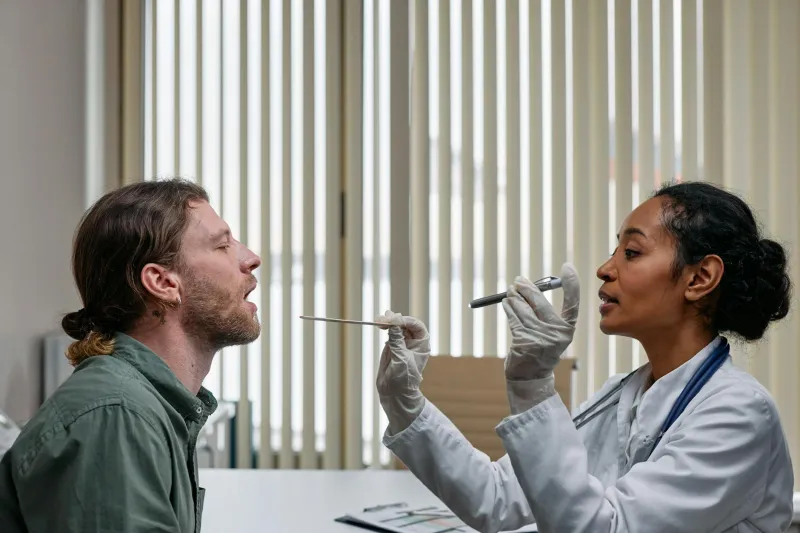
Picture this: It's 1965, and you wake up with a persistent cough that's been bothering you for days. You call your family doctor's office — no appointment needed, just walk right in during office hours. An hour later, you're walking out with a prescription and a bill for $5. That's it. No copays, no deductibles, no insurance pre-authorizations. Just five bucks.
To put that in perspective, $5 in 1965 could also buy you a decent dinner at a restaurant, a movie ticket with popcorn, or about three gallons of gasoline. It was real money, but it wasn't break-the-bank money for most working families.
The Numbers That Tell the Story
Fast-forward to today, and that same routine office visit averages between $200 and $400, depending on your location. Even with insurance, many Americans face copays of $25 to $75 for primary care visits, plus potential deductibles that can run into thousands of dollars before coverage kicks in.
The math is staggering. Adjusted for inflation, that 1965 doctor's visit should cost about $45 today. Instead, it costs roughly ten times that amount. Meanwhile, the median household income has grown from about $6,900 in 1965 to around $70,000 today — an increase that barely keeps pace with general inflation, let alone medical inflation.
Prescription drugs tell an even more dramatic story. A standard antibiotic that cost $2 in the 1960s might run $75 or more today, even for generic versions. Specialized medications can cost hundreds or thousands of dollars per month, prices that would have been unimaginable to previous generations.
When Doctors Made House Calls for Pocket Change
The 1960s represented the tail end of an era when healthcare operated more like other service industries. Many doctors still made house calls, charging perhaps $7 to $10 to examine you in your own living room. Emergency room visits, while not encouraged for routine care, might cost $15 to $25.
Hospital stays were expensive relative to other costs, but still manageable for middle-class families. A typical hospital room ran about $15 to $25 per day in the mid-1960s. Today, the average hospital stay costs over $2,500 per day, and that's before any procedures, medications, or specialist consultations.
Insurance existed, but it functioned more like catastrophic coverage. Most people paid for routine care out of pocket because it was affordable enough to budget for, much like car repairs or home maintenance.
The Transformation Begins
Several factors converged to transform healthcare from an affordable service into a financial burden. The rise of employer-sponsored insurance in the 1970s and 1980s initially seemed like progress — who wouldn't want their company to cover medical bills? But it also began disconnecting patients from the true cost of care.
When someone else is paying the bill, both patients and providers have less incentive to consider price. Doctors could order more tests and procedures without worrying about their patients' ability to pay. Patients stopped asking "How much will this cost?" because insurance would handle it.
Meanwhile, medical technology advanced rapidly. MRI machines, CT scanners, and sophisticated laboratory tests could diagnose conditions that would have been medical mysteries in 1965. But these innovations came with massive price tags that had to be recouped somehow.
The Insurance Maze
By the 1990s, healthcare had become a complex web of insurance companies, hospital networks, and administrative overhead that barely existed in the 1960s. A simple doctor's visit now required pre-authorizations, billing codes, and negotiations between providers and insurers.
The administrative burden exploded. While a 1960s doctor might have employed one secretary to handle billing and appointments, today's medical practices often need entire departments just to navigate insurance requirements and process claims.
What We Lost Along the Way
Beyond the financial burden, something more fundamental changed. The relationship between doctors and patients shifted from a direct service transaction to a complicated three-way dance involving insurance companies. The family doctor who knew your medical history, your family, and your financial situation became increasingly rare.
Preventive care, which was once as simple as an annual checkup, became entangled in insurance protocols and corporate wellness programs. The idea of simply walking into a doctor's office when you felt unwell became almost quaint.
The Price of Progress
Today's healthcare system can perform medical miracles that 1960s doctors could never have imagined. Cancer survival rates have improved dramatically. Heart disease, once a death sentence, is now highly treatable. We can replace joints, transplant organs, and catch diseases years before symptoms appear.
But we've also created a system where many Americans delay or skip medical care due to cost concerns — something that would have puzzled their grandparents, who could afford to see a doctor for the price of a restaurant meal.
The transformation of healthcare costs represents one of the most dramatic economic shifts in American life. What was once a predictable household expense has become a source of financial anxiety for millions of families, fundamentally changing how we think about our health and our wallets.