Dawn Patrol — When American Kids Ran Their Own Business Empire Before Breakfast
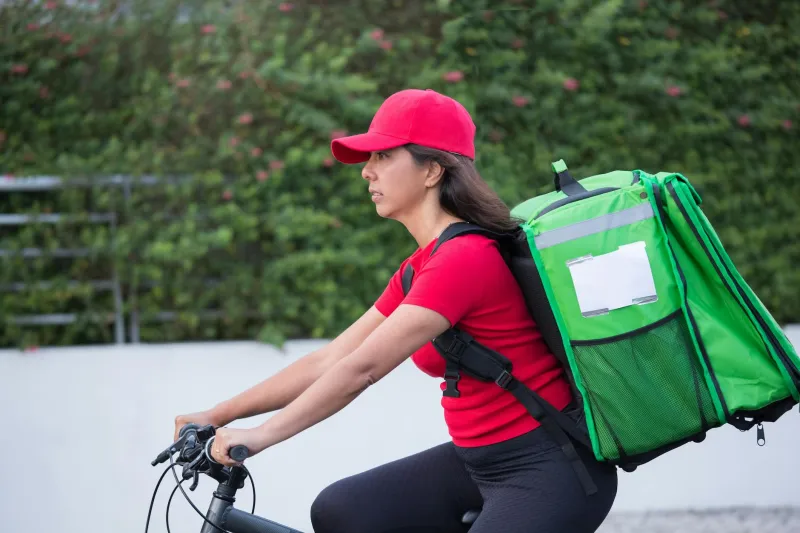
Before TikTok made teenagers famous and unpaid internships became the gateway to professional life, millions of American kids learned the fundamentals of business through a surprisingly sophisticated operation: the neighborhood paper route. Armed with nothing but a bicycle, a canvas bag, and an alarm clock set for 5 AM, children as young as ten managed customer databases, handled cash flow, and dealt with complaints — all before their friends were even awake.
This wasn't child labor disguised as character building. It was genuine entrepreneurship, scaled down to fit elementary school schedules but complete with all the real-world challenges that modern business courses try to simulate. The paper route taught lessons about responsibility, money, and customer service that today's structured internships and part-time jobs rarely replicate.
The Original Gig Economy
Long before Uber drivers and DoorDash couriers made independent contractor work mainstream, American paperboys and papergirls were running their own small businesses with remarkable autonomy. They weren't employees in any traditional sense — they bought newspapers wholesale from distributors and sold them retail to customers, keeping the difference as profit.
The typical route covered 50 to 150 houses, each requiring daily delivery by 7 AM. Route holders managed their own schedules, handled customer billing and collection, and dealt directly with complaints about missed papers or damaged deliveries. They were responsible for finding substitutes when sick, managing inventory during holiday editions, and building relationships with customers who could make or break their monthly earnings through tips and referrals.
This system created a unique form of childhood capitalism. Successful route operators learned to optimize their delivery patterns for efficiency, identify which customers paid promptly versus those who required multiple collection visits, and provide customer service that encouraged generous tips during holiday seasons.
The 5 AM Education
The alarm clock was the first teacher. Unlike school attendance or household chores, the paper route didn't offer sick days or snow days. Newspapers had to be delivered regardless of weather, health, or motivation. This created a level of personal accountability that few other childhood experiences could match.
Route holders learned to read weather patterns and adjust their delivery strategy accordingly. Rain meant wrapping papers in plastic bags and taking extra time to protect them from moisture. Snow required earlier starts and careful navigation of unshoveled sidewalks. Hot summer mornings meant strategic hydration and route planning to avoid the most exposed sections during peak sun hours.
The financial education was equally practical. Most routes operated on monthly billing cycles, meaning kids had to track which customers had paid, follow up on late accounts, and manage cash flow during the gap between purchasing newspapers and collecting payment. They learned the difference between gross revenue and net profit when they calculated earnings after accounting for the wholesale cost of papers, replacement costs for damaged goods, and occasional customer defaults.
Customer Relations 101
Perhaps most importantly, the paper route taught customer service skills that many adults never master. Route holders learned to read their customers' preferences and adjust accordingly. Mrs. Johnson wanted her paper placed between the storm door and main door to keep it dry. Mr. Peterson preferred his paper folded lengthwise to fit in the mailbox slot. The elderly couple on Maple Street appreciated a gentle knock to let them know their paper had arrived.
Building these relationships required emotional intelligence and communication skills that textbooks can't teach. Successful route operators learned to apologize effectively when mistakes happened, negotiate payment plans with customers facing financial difficulties, and maintain professional relationships with adults who sometimes treated them dismissively because of their age.
The holiday season became an intensive course in customer relationship management. Paperboys and papergirls learned to time their collection rounds strategically, provide small tokens of appreciation, and present themselves professionally to maximize tip earnings that could double their monthly income.
The Economics of Independence
The financial rewards were modest but meaningful. Most routes generated $50-100 per month in the 1970s and 80s — real money for kids whose only other income sources might be birthday gifts and occasional lawn mowing jobs. More importantly, this money came with complete autonomy. Parents rarely monitored how route earnings were spent, creating an early experience with financial independence.
Some kids saved diligently for major purchases like bicycles or video game systems. Others learned expensive lessons about impulse spending when they blew a month's earnings on candy and arcade games. The consequences were immediate and personal, providing financial education that allowance systems couldn't replicate.
The route also taught practical business concepts like customer retention, market expansion, and operational efficiency. Experienced route holders learned to identify opportunities for growth — taking over abandoned routes, splitting large routes with friends, or providing additional services like pet care during customer vacations.
When Everything Changed
The decline of the paper route wasn't sudden, but it was thorough. Several factors combined to eliminate what had been a childhood institution for generations. Liability concerns made newspaper companies reluctant to work with minors. Insurance requirements and child labor regulations created bureaucratic barriers that made hiring adult carriers simpler than managing youth routes.
Simultaneously, newspaper circulation began its long decline as readers shifted to digital sources. Routes that once covered entire neighborhoods shrank to scattered houses, making bicycle delivery impractical and reducing the customer base below sustainable levels.
The suburbanization of America also played a role. New developments with wider streets, longer driveways, and greater distances between houses made efficient bicycle delivery difficult. The tight-knit neighborhoods where paperboys knew every customer personally gave way to sprawling subdivisions where anonymity was the norm.
The Modern Alternative
Today's teenagers enter the workforce through entirely different channels. Their first jobs typically involve formal applications, background checks, and structured training programs at chain restaurants, retail stores, or entertainment venues. These positions offer valuable experience with workplace hierarchies, team dynamics, and customer service, but they lack the entrepreneurial autonomy that defined the paper route.
Modern first jobs are safer, more regulated, and often better paying than paper routes ever were. They come with worker protections, defined schedules, and clear advancement paths. Teenagers learn important skills about following directions, working with diverse colleagues, and functioning within established systems.
Yet something essential was lost in this transition. Today's entry-level jobs teach young people to be good employees, but they rarely teach them to be entrepreneurs. The paper route's combination of independence, financial responsibility, and customer relationship management created a unique learning environment that modern part-time work doesn't replicate.
The Lessons That Didn't Transfer
The skills developed through paper route management — self-motivation, financial planning, customer service, and operational efficiency — remain valuable in today's economy. Many successful entrepreneurs credit their paper routes with teaching them fundamental business principles that shaped their later careers.
But these lessons are now harder to acquire during childhood and adolescence. The structured, supervised nature of modern youth activities leaves little room for the kind of independent problem-solving that paper routes required. Today's teenagers may be better prepared for college and more academically accomplished than previous generations, but they often lack practical experience with the kind of self-directed responsibility that builds entrepreneurial confidence.
The paper route era wasn't perfect. The work was physically demanding, sometimes dangerous, and often poorly compensated. Weather-related hazards, aggressive dogs, and difficult customers created genuine challenges that modern workplace protections have largely eliminated.
Yet in our effort to make childhood safer and more educationally productive, we may have eliminated one of the most effective business training programs ever devised — one that operated at 5 AM every morning, taught real-world skills through hands-on experience, and created a generation of adults who understood that success required showing up consistently, treating customers well, and taking personal responsibility for results.
The paper route taught lessons that no internship could replicate: that business success comes from daily discipline, that customer relationships matter more than efficiency metrics, and that the most valuable education often happens when nobody's watching except the sunrise and the customers counting on you to deliver.