Six Inches of Snow and the World Went Silent: When Weather Still Had the Power to Stop Everything
When Nature Still Made the Rules
The phone would ring at 6 AM, and before anyone even said hello, you knew what it meant. Snow had fallen overnight, and the world had changed. School was canceled. Work was impossible. The roads belonged to the plows, and everyone else was staying home whether they liked it or not.
This wasn't a minor inconvenience to work around. This was a complete stop button that nature pressed on American life, and there was absolutely nothing anyone could do about it except grab their sleds and surrender to the day.
The Magic of the Morning Announcement
Kids would wake up to a world transformed and immediately tune the radio to the local station, waiting breathlessly for the list of school closings. The announcer would read through district after district, and when your school's name finally came through the static, it was like winning the lottery.
Parents would stand in their kitchens, coffee in hand, looking out at driveways that might as well have been on the moon. There was no discussion of working from home because home wasn't equipped for work. There was no debate about whether the snow was "really that bad" because if the schools were closed and the roads were impassable, that settled the matter for everyone.
When Six Inches Meant Six Weeks of Freedom
A genuine snow day didn't just mean a day off school. It meant complete liberation from the adult world's expectations. Kids would spend hours getting dressed in layer upon layer of clothing, then disappear into a landscape that had been redesigned overnight for their entertainment.
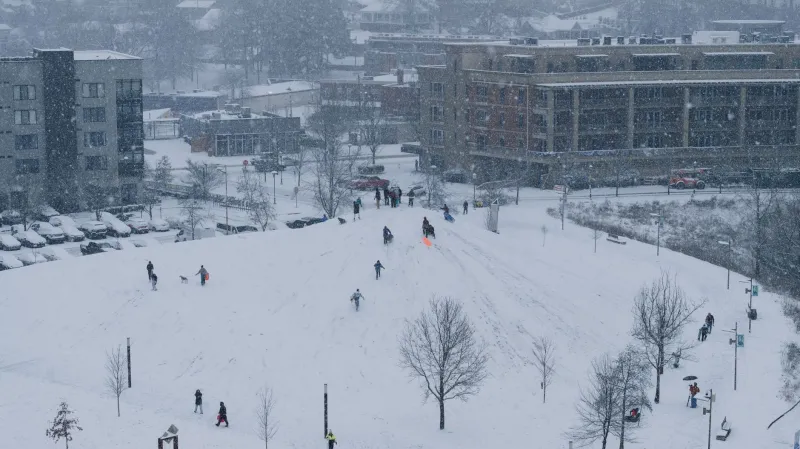
The streets became sledding hills. Empty lots turned into battlefields for snowball fights that could last until dark. Every backyard became a construction site for snow forts that would be engineering marvels until the next warm day melted them back into memory.
Most importantly, these adventures happened without adult supervision. Parents were inside, dealing with their own snow day logistics, trusting that children could figure out how to have fun in the snow without professional guidance or structured activities.
The Democracy of Shared Inconvenience
A real snow day affected everyone equally. The bank president and the factory worker were both stuck at home, looking out their windows at the same impassable roads. Grocery stores closed. Government offices shut down. Even the post office, with its famous motto about neither snow nor rain, would sometimes admit defeat.
This shared experience created a temporary democracy of inconvenience. Everyone was in the same situation, everyone had the same excuse for not being productive, and everyone understood that some things were simply beyond human control.
The Technology That Changed Everything
The death of the true snow day began with technology that was supposed to make life better. Email meant your boss could reach you anywhere. Laptops made every kitchen table a potential office. High-speed internet turned every home into a workplace, whether you wanted it to be or not.
The final blow came with remote learning technology. Now when schools close for snow, kids don't get a day of freedom — they get a day of Zoom classes from their bedroom. The magic of unexpected liberation has been replaced by the expectation that learning must continue regardless of what's happening outside the window.
From Snow Day to Productivity Day
Today's version of a snow day looks radically different from the complete shutdown that previous generations experienced. Parents work from home while managing kids who are attending virtual school. Conference calls happen while snowplows rumble past the window. The expectation is that productivity should continue, just in a different location.
We've gained efficiency and lost something harder to quantify: the shared experience of being forced to slow down together. When weather could still stop civilization in its tracks, snow days created a brief pause in the relentless pace of American life.
The Lost Art of Unproductive Time
The old-fashioned snow day was valuable precisely because it was unproductive. There was no agenda, no schedule to maintain, no expectation that the unexpected day off should be used to catch up on anything important. It was pure, unstructured time that fell from the sky like a gift.
Kids learned to entertain themselves for hours with nothing but snow and imagination. Adults were forced to slow down and maybe actually talk to their families. Neighbors helped each other dig out driveways not because it was efficient, but because it was what you did when everyone was stuck in the same situation.
When Weather Was Still Bigger Than We Were
There was something humbling about the old snow day's complete shutdown of normal life. It reminded everyone that despite all our technology and planning, nature could still make decisions for us. A storm system didn't care about your meeting schedule or your deadline. When the snow was too deep and the roads were too dangerous, that was simply the end of the discussion.
This forced humility created space for different kinds of experiences. Families played board games because there was nothing else to do. Kids read books because the TV only had three channels and none of them were very interesting. People looked out their windows and actually noticed what was happening in the world outside their daily routines.
The Efficiency We Gained and the Magic We Lost
Modern technology has undoubtedly made snow days less disruptive to productivity and learning. Kids don't fall behind in school because of weather. Parents don't lose entire workdays to circumstances beyond their control. Society functions more smoothly when a snowstorm can't bring everything to a complete halt.
But we've lost something irreplaceable: the experience of shared surrender to forces beyond our control. The snow day was one of the last remaining examples of nature having the final word over human plans, and its disappearance represents a broader cultural shift toward the belief that productivity should never stop, regardless of circumstances.
The Silence That Spoke Volumes
Perhaps what made the traditional snow day most magical was the silence. With cars off the roads, schools empty, and businesses closed, a snowy day had a quality of quiet that's almost impossible to experience in modern America. The world felt paused, peaceful, and completely transformed.
That silence created space for different kinds of experiences and conversations. It forced people to slow down not because they chose to, but because they had no choice. And sometimes, the best parts of life happen when we stop trying to control everything and let the world make decisions for us.