Room by Room: How Technology Took Over the American Home Between 1975 and Today
Room by Room: How Technology Took Over the American Home Between 1975 and Today
Every generation thinks it's living at the technological frontier. In 1975, a family with a color television, a push-button telephone, and a brand-new microwave oven had every reason to feel like they were riding the cutting edge of modern life. Those devices were genuinely impressive. They changed daily routines in real and significant ways.
But walk through that same house today, and the contrast is almost disorienting. Not just because the devices are different, but because of how many there are — and how completely they've embedded themselves into every room, every routine, every quiet corner of domestic life.
Let's do exactly that. Let's walk through both homes.
The Living Room: From One Screen to Many
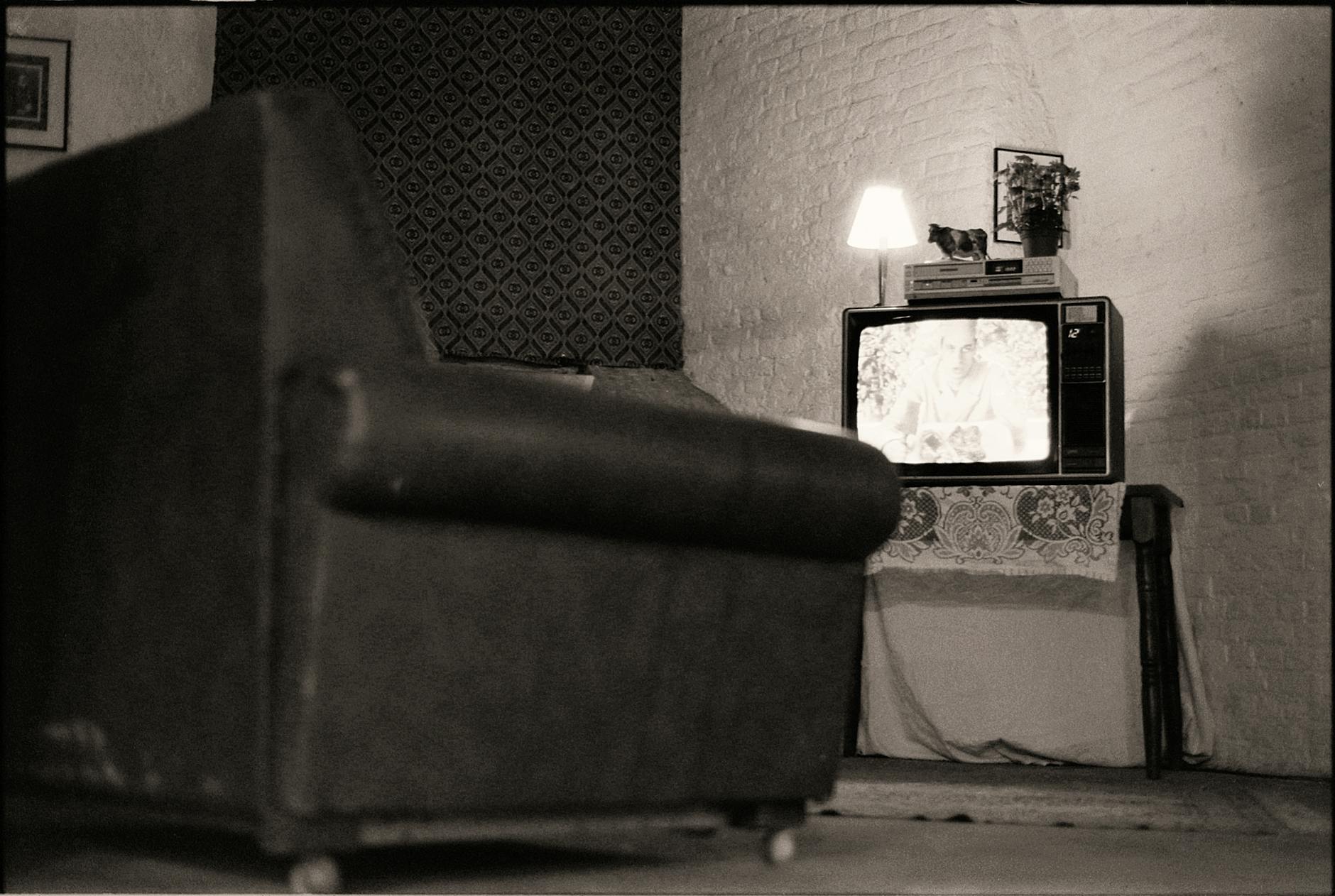
1975: The living room is organized around the television — a large, heavy console set that the family selected carefully because it was expensive and expected to last a decade. It gets maybe a dozen channels, depending on the antenna. The remote control, if there is one, is a clunky wired device that changes the channel mechanically. Beside the TV sits a stereo system: a turntable, an AM/FM receiver, maybe a reel-to-reel tape deck if the family is into hi-fi. The telephone — a single landline, possibly with a rotary dial being phased out for the newer push-button model — is mounted on the wall in the kitchen or sitting on a side table.
Connected, 'smart' devices in this room: roughly 2–3.
2025: The living room has a flat-screen television that connects to the internet and runs streaming apps. Beside it sits a smart speaker that responds to voice commands — playing music, setting timers, answering questions, controlling other devices in the house. The TV remote is actually an app on someone's phone. The gaming console doubles as a streaming device. There may be a tablet on the coffee table. Possibly a smart thermostat display on the wall. The phone — a smartphone with more processing power than the computers that guided the Apollo missions — is almost certainly in someone's pocket or charging on the side table.
Connected devices in this room: 6–8, conservatively.
The Kitchen: The Most Transformed Room in the House
1975: The kitchen in a modern 1975 home feels genuinely advanced by the standards of the time. The microwave oven, which became a mainstream appliance in the early-to-mid 1970s, is a genuine marvel — the idea that you can reheat leftovers in three minutes rather than twenty is legitimately mind-bending to people who grew up without one. There's also an electric range, a refrigerator with a separate freezer compartment, and possibly an electric can opener mounted under the cabinet. If the family is well-off, there might be an early dishwasher.
Connected, 'smart' devices: 2–3.
2025: The 2025 kitchen is a different animal entirely. The refrigerator may have a touchscreen panel, an internal camera you can view remotely while grocery shopping, and an app that tracks expiration dates. The coffee maker has a programmable schedule synced to a smartphone. The oven can be preheated remotely. There's an Instant Pot or similar multi-cooker with digital controls. A smart speaker sits on the counter, fielding recipe requests and setting multiple timers simultaneously. The dishwasher may send a notification when the cycle is done. And there are probably two or three people in the household with smartphones that they carry into the kitchen constantly.
Connected devices: 8–10.
The Bedroom: Where Technology Gets Personal
1975: The bedroom is largely a technology-free zone by modern standards. There might be a clock radio — the kind with flip numbers that became an icon of the era. A small portable TV in the master bedroom, if the parents splurged. A landline extension, perhaps. Otherwise, the bedroom is mostly analog: books, a lamp, an alarm clock.
Connected devices: 1–2.
2025: The modern American bedroom is a charging station. Smartphones on the nightstand — one per adult. A smartwatch on the bedside table. A smart speaker for sleep sounds or morning alarms. A streaming device connected to the bedroom TV. Possibly a sleep tracker embedded in the mattress or worn on the wrist. Some households have smart lighting that adjusts color temperature based on the time of day. The alarm clock has been replaced entirely by a phone.
Connected devices: 5–8 per adult occupant.
The Numbers, Added Up
When researchers and consumer technology analysts count connected devices in modern American homes, the average comes in around 22–25 per household, with tech-forward families running considerably higher. Contrast that with a 1975 home, where the total count of devices that could reasonably be called 'smart' — meaning they processed information, responded to input, or connected to a broader system — lands somewhere around 4 to 6.
That's not a marginal increase. That's a structural transformation of what a home is.
The 1975 household used technology. The 2025 household is networked. Devices talk to each other. They send notifications. They collect data. They anticipate needs. The refrigerator and the smartphone and the thermostat and the doorbell camera are all, in some sense, part of the same system.
The Question Worth Asking
Here's the part that should give you pause: every one of those 1975 devices — the color TV, the push-button phone, the microwave — felt like the future to the people using them. They were proud of those things. They showed them off to guests.
Which means it's worth asking: which of our current devices will look laughably primitive to someone doing this same exercise in 2075?
Probably the smartphone, for a start. The idea of carrying a flat rectangle and staring at it constantly — tapping a glass surface with your fingers to communicate — will likely seem as quaint as a rotary dial does to us now. Voice interfaces will probably seem clunky too, once whatever comes after them arrives.
The technology always feels permanent until it doesn't. The families in 1975 couldn't have imagined living without their color TVs. Their grandchildren stream everything and don't own a TV antenna at all.
Fifty years from now, someone will walk through a 2025 home and find it charmingly, almost comically, limited. The only question is what they'll be using instead.