Sunday Best and the Sacred Closet: When Americans Dressed Like They Meant It
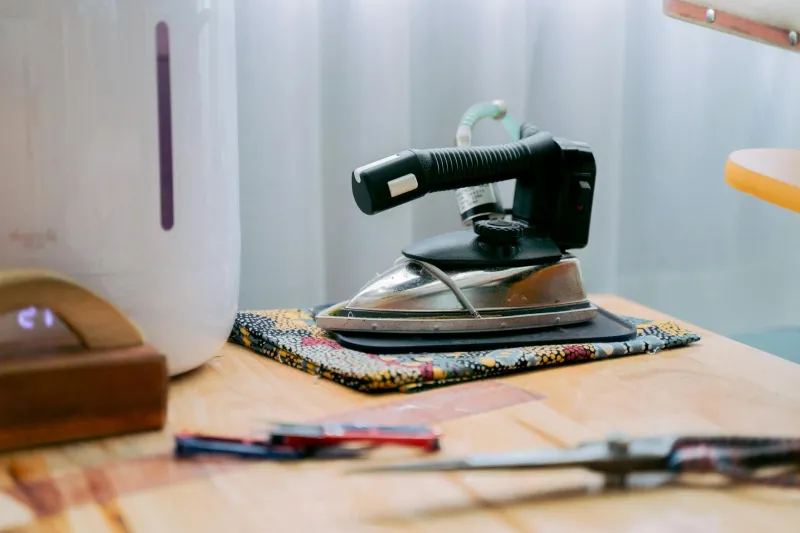
The Saturday Night Pressing Ritual
Every Saturday evening in households across America, the iron came out. Not for work clothes or everyday wear, but for Sunday's outfit — the carefully chosen ensemble that would represent the family's respect for church, community, and the sacred act of presenting oneself properly in public.
Men hung their single good suit on the bedroom door, checking for spots that needed attention. Women laid out their church dress, the one they'd owned for three years and expected to own for three more. Children's clothes were inspected, mended if necessary, and arranged with the same care reserved for special occasions.
This wasn't vanity. It was ritual preparation for public life, an acknowledgment that how you presented yourself mattered — not just to you, but to everyone who would see you.
When Your Closet Could Fit in a Suitcase
The average American man in 1955 owned four dress shirts, two pairs of dress shoes, and one good suit. He wore that suit to church, weddings, funerals, job interviews, and any occasion that demanded his best presentation. The suit lasted decades because it was worn perhaps once a week and cared for like a family heirloom.
Women might own two or three dresses suitable for public occasions, plus everyday house dresses for home and work clothes if they held jobs outside the home. The "good dress" was reserved for church, special dinners, and important social events. It was altered as needed, repaired when damaged, and treated as a significant investment.
This scarcity bred intentionality. When you only owned one formal outfit, you made sure it was well-made, properly fitted, and appropriate for multiple occasions. The limited options forced people to choose quality over quantity and to maintain what they owned.
The Hierarchy of Occasions
Midcentury Americans understood clothing as a language that communicated respect, purpose, and social awareness. Different events demanded different levels of formality, and everyone understood the code.
Church required your absolute best — pressed, polished, and proper. Wedding attendance meant formal wear that showed respect for the couple's important day. Even going downtown for shopping or banking called for clothes that acknowledged you were entering public, social space where appearance mattered.
Children learned this hierarchy early. They had school clothes, play clothes, and church clothes, and they understood the difference. The church outfit was sacred territory — not to be worn for everyday activities or risked in situations where it might get damaged.
When Getting Dressed Was Performance Art
The process of dressing formally was elaborate and intentional. Men learned the proper way to tie a tie, how to coordinate colors, and why collar stays mattered. They polished their shoes not just for appearance but as part of the ritual of preparing for public presentation.
Women's preparation involved even more complexity: selecting appropriate undergarments, coordinating accessories, and ensuring every detail contributed to a cohesive, respectful appearance. The process took time because it mattered.
This wasn't about fashion in the modern sense. It was about craftsmanship in self-presentation, about demonstrating that you understood the importance of the occasion and the people you'd encounter.
The Social Contract of Appearance
Formal dress served as a social lubricant, creating shared expectations that helped public interactions run more smoothly. When everyone understood and followed the same basic rules about appropriate appearance, it reduced social friction and created a sense of mutual respect.
Seeing someone dressed well for church or a business meeting sent a clear signal: this person takes the occasion seriously and respects the other people involved. It wasn't about wealth or fashion sense — it was about social participation and community membership.
The businessman's pressed suit, the housewife's careful coordination, and the child's polished shoes all communicated the same message: we understand this is important, and we're showing up properly.
The Economics of Intention
Owning fewer clothes created different relationships with the garments themselves. A dress that cost two weeks' salary got worn for special occasions over many years. A suit represented a significant investment that needed to justify itself through longevity and versatility.
This economic reality encouraged better manufacturing. Clothing companies knew their customers expected garments to last, so they built them accordingly. Seams were stronger, fabrics were more durable, and construction was designed for repeated wear and cleaning.
The result was a wardrobe of fewer, better items that served their owners for decades rather than seasons.
When Casual Friday Became Casual Forever
Sometime in the 1980s and 1990s, American dress codes began their long slide toward universal casualness. "Casual Friday" became casual every day. "Business casual" became just casual. The suit-and-tie expectation disappeared from most workplaces, churches relaxed their standards, and "come as you are" became the default social setting.
This shift reflected broader cultural changes: the decline of institutional authority, the rise of individual expression, and the democratization of fashion through mass production. Americans gained comfort and personal freedom but lost something harder to measure.
The Fast Fashion Avalanche
Today's average American owns five times as many clothes as their 1950s counterpart, but treats each individual item as essentially disposable. Fast fashion has created closets stuffed with inexpensive garments worn a few times and then forgotten.
The $12 shirt from a discount retailer gets the same care and attention as the $120 shirt — which is to say, almost none. When clothes are cheap and easily replaced, the incentive to maintain them disappears. When you own thirty casual shirts, no single shirt feels important enough to deserve special care.
This abundance has paradoxically created a kind of clothing poverty: lots of options but nothing that feels special, significant, or worthy of the ritualistic care that once marked getting dressed for important occasions.
What We Lost When We Got Comfortable
The casualization of American dress eliminated many social rituals that once marked important occasions and created shared experiences. The family getting dressed for church together, the careful preparation for special events, and the communal understanding of what different occasions deserved — all of this disappeared as comfort became the primary criterion for clothing choices.
We gained individual freedom and physical comfort but lost a shared language for demonstrating respect, marking significance, and participating in community standards. The ritual of dressing well became an optional personal choice rather than a social expectation.
The Paradox of Choice
Having unlimited clothing options has made getting dressed both easier and harder. With no clear social expectations, every clothing choice becomes a personal statement requiring individual decision-making. The cognitive load of choosing from thirty shirts is actually greater than choosing from three.
Meanwhile, the abundance of cheap options has made it harder to develop a coherent personal style or to invest in quality pieces that could serve for years. The fast fashion cycle encourages constant consumption rather than thoughtful curation.
Dressing as Democracy
The move toward casual dress was partly democratic — it removed barriers that might exclude people who couldn't afford formal clothing. But it also eliminated a shared ritual that once created community cohesion and marked important occasions as genuinely special.
When everyone dresses the same way for church and grocery shopping, for weddings and casual dinners, we lose the ability to use clothing as a way to honor significant moments and show respect for the people sharing them with us.
The question isn't whether we should return to the rigid dress codes of the 1950s. But maybe, occasionally, we could treat the act of getting dressed as something more than just covering our bodies.
Sometimes showing up properly dressed is the first way we show up for each other.