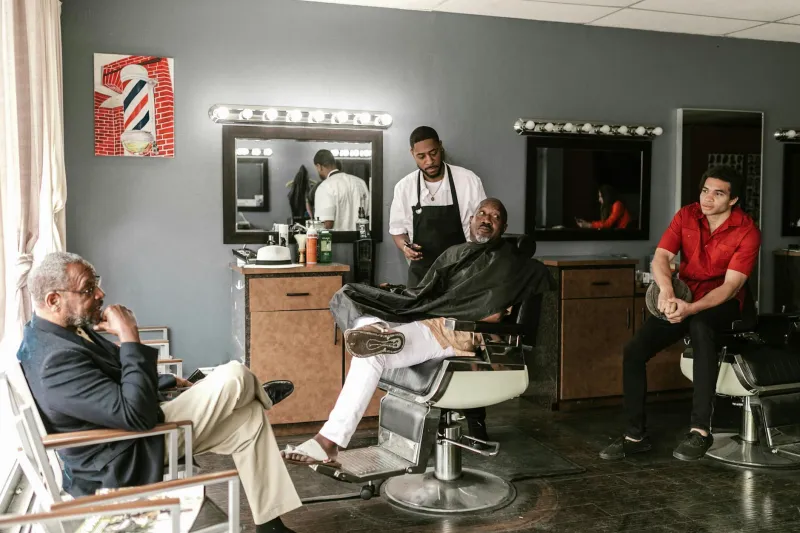
The Ten-Cent Sundae That Made You Dress Up: When Eating Out Was America's Special Occasion
Before drive-throughs and delivery apps, going to a restaurant meant putting on your good clothes and making an evening of it. A single milkshake could turn into a three-hour social event that the whole family planned around.

When Failing Third Grade Actually Meant Something: The Lost Art of Academic Consequences
American schools once held students back without apology, teaching kids that effort mattered and failure had real consequences. Today's education system prioritizes feelings over fundamentals, creating graduates who've never learned what it means to truly fail.

Your Word Was Your Timeline: When Home Repairs Actually Happened on Schedule
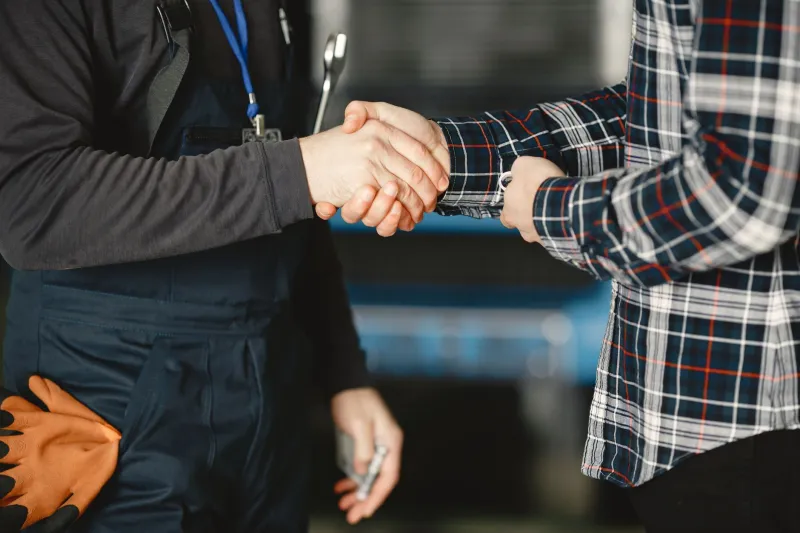
There was a time when hiring a contractor meant getting a firm date and watching them show up exactly when promised. Today's homeowners navigate a world where getting a plumber requires weeks of planning and contractors treat schedules like gentle suggestions.
The Bells That Taught America to Wait: When Neighborhood Commerce Came to You
American neighborhoods once hummed with the sounds of mobile vendors—ice cream trucks, knife sharpeners, and produce carts that moved through streets on predictable schedules. Children learned patience, money management, and social skills from these weekly commercial rituals that have all but vanished.

The Corner Genius Who Knew Every Screw by Heart: How America Lost Its Neighborhood Problem Solvers
The old-school hardware store clerk could diagnose your plumbing problem, sketch a solution on a paper bag, and send you home with the exact right parts for under a dollar. That kind of practical neighborhood wisdom has almost completely disappeared.

From Pool Deck to Digital Rejection: Why America's Teenagers Lost Their First Real Job
The classic American summer lifeguard job once required nothing more than showing up and proving you could swim. Today's teenagers face background checks, certifications, and online applications for what used to be character-building work.

The Night America Stopped Everything: When One TV Show Could Pause a Entire Nation
Before streaming and DVRs, American families would mark their calendars weeks in advance for a single television special, knowing they had exactly one chance to watch it. That shared anticipation created a cultural moment we've completely lost.

The 4 O'Clock Music That Made Every Kid Drop Everything and Run
For generations, that tinkling melody from down the street was enough to send children scrambling for change and bring entire neighborhoods together around a simple truck. Today's on-demand treats arrive silently at your door, but something magical disappeared with those daily routes.

The Union Card That Paid for Everything: When Working-Class Americans Had It Made
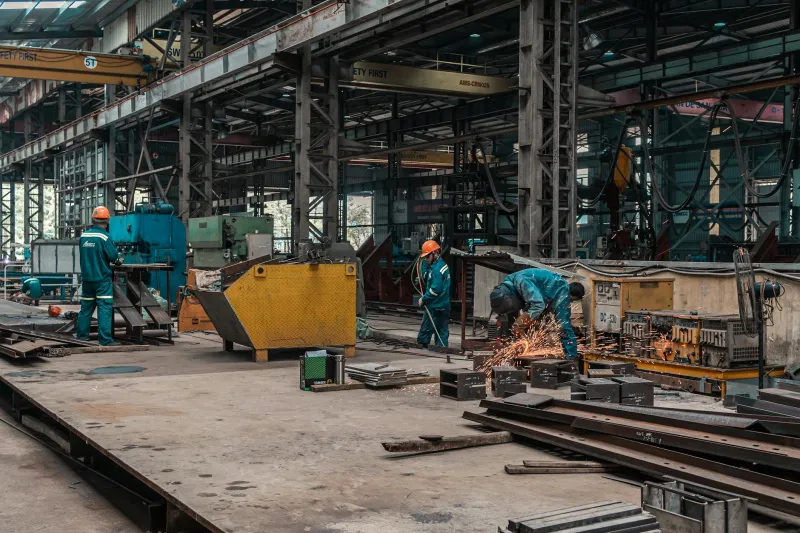
For decades, a simple union membership card was your passport to the American Dream — complete with healthcare, pensions, and job security that didn't require a college degree. Today's gig workers are discovering what their grandfathers lost when unions quietly faded from the American workplace.
Before Google, Your Living Room Encyclopedia Was the Internet
Families once spent months of salary on a set of books that would serve as their household's entire knowledge base for a decade. The ritual of looking something up meant accepting that some answers simply weren't available — a concept that feels almost impossible today.

When Everyone Shared One Phone and Privacy Was Just a Dream: The Lost World of American Communication
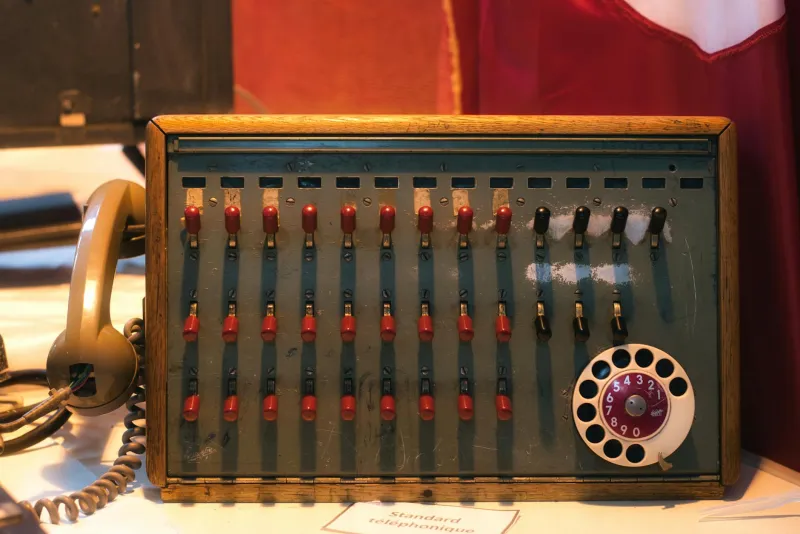
Before everyone carried their own personal communication device, American families shared a single phone line with their neighbors, depended on human operators to connect calls, and found everyone's number in one massive book.
Built Like a Tank, Fixed With a Handshake: When Your Washing Machine Was a 30-Year Investment
Your grandmother's refrigerator from 1963 might still be humming today, outlasting three modern replacements. This is the story of when American appliances were built to survive decades, not quarterly earnings reports.
Circle, Check, and Countdown: When a 50-Cent Magazine Ruled America's Living Room
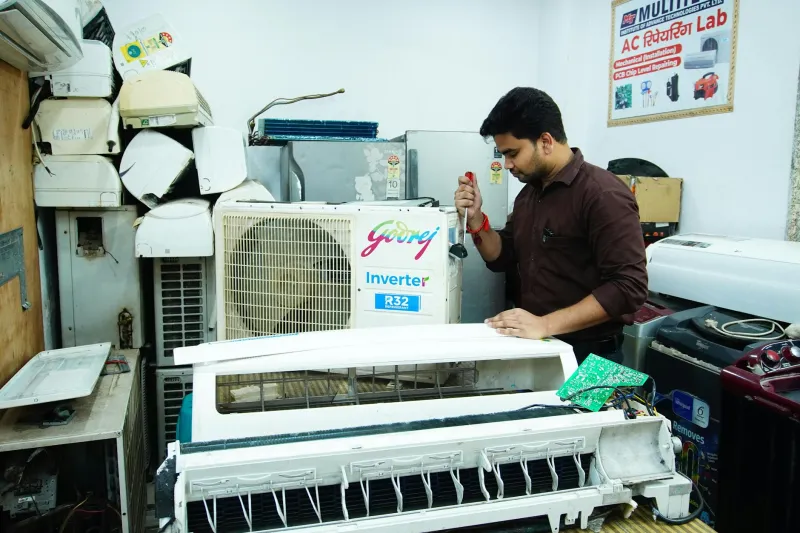
Before Netflix algorithms decided what you'd watch next, families gathered around a thin magazine every week to plan their entertainment destiny. TV Guide wasn't just a schedule—it was the roadmap to American culture itself.
The Envelope System: When Americans Budgeted With Paper, Pencils, and Pure Willpower
Before Mint and budgeting apps, American families managed their money with physical cash, handwritten ledgers, and a shoebox filing system that somehow worked better than today's algorithmic assistance. Here's what we lost when money became invisible.

Front Row to Childhood: When the School Play Was Must-See Entertainment for the Whole Neighborhood
Before YouTube recitals and professionally filmed performances, a child's school play was the social event of the season. Everyone came, everyone clapped, and nobody watched through a phone screen.
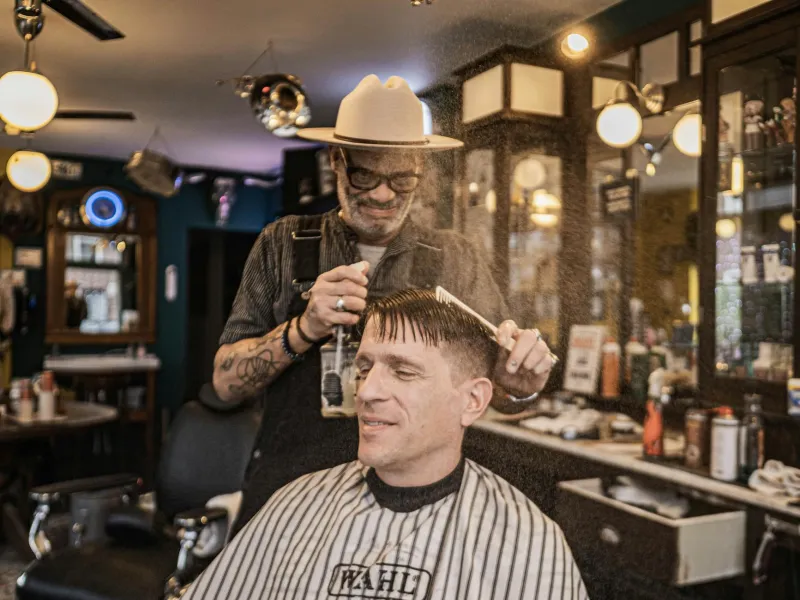
The $2 Shave and a Story: When America's Barbers Were the Original Life Coaches
Before quick-clip chains and silent stylists, the neighborhood barbershop was where men gathered for more than just haircuts. It was therapy, news, and community all rolled into one leather chair experience.
America's Lost Kitchen Wisdom — When Recipes Lived in Hearts, Not Phones
Every American family once had a secret weapon tucked away in kitchen drawers: handwritten recipe boxes filled with culinary treasures that couldn't be Googled, only inherited. These edible family histories disappeared faster than anyone expected.
Dawn Patrol — When American Kids Ran Their Own Business Empire Before Breakfast
Every morning at 5 AM, an army of American children managed customer relationships, handled money, and learned entrepreneurship through the simple act of delivering newspapers. That world of childhood business ownership has vanished into liability waivers and background checks.

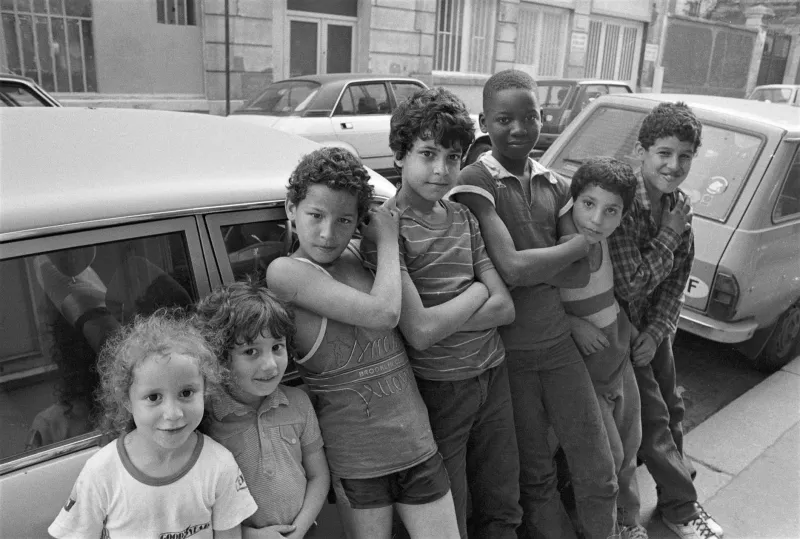
When America's Kids Were Their Own GPS — The Lost Era of Unsupervised Adventures
For decades, American children navigated their neighborhoods with nothing but instinct and the promise to be home when the streetlights flickered on. That world of genuine childhood independence has vanished so completely that today's parents would consider it borderline neglect.
Before Your Phone Became Your Best Friend: How Americans Actually Survived Waiting Around
Barbershop conversations, waiting room magazines, and the lost art of staring out bus windows. Americans once mastered the skill of productive boredom — and it might have made us more creative than we realize.