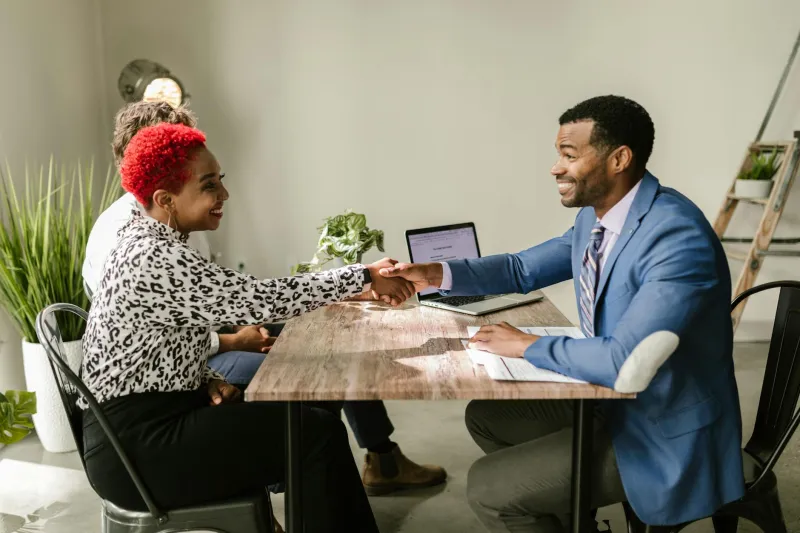
When Your Banker Knew Your Father: How Small Business Loans Used to Come From Actual Neighbors
Before credit scores and automated underwriting, getting a business loan meant sitting across from someone who watched you grow up. The handshake that launched Main Street America has been replaced by algorithms that never learned your name.
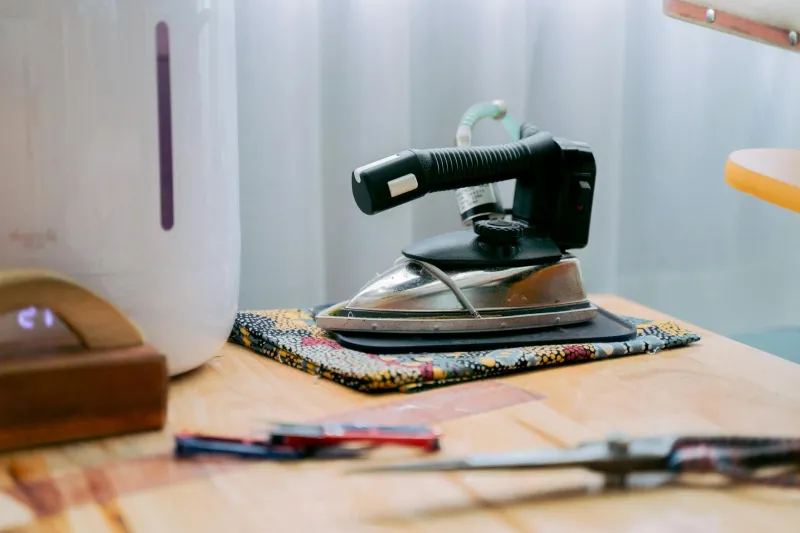
Sunday Best and the Sacred Closet: When Americans Dressed Like They Meant It
Your grandfather owned three suits and wore them for fifty years. Your grandmother pressed her church dress every Saturday night. When Americans had less clothing, they treated getting dressed as a ritual that actually meant something.
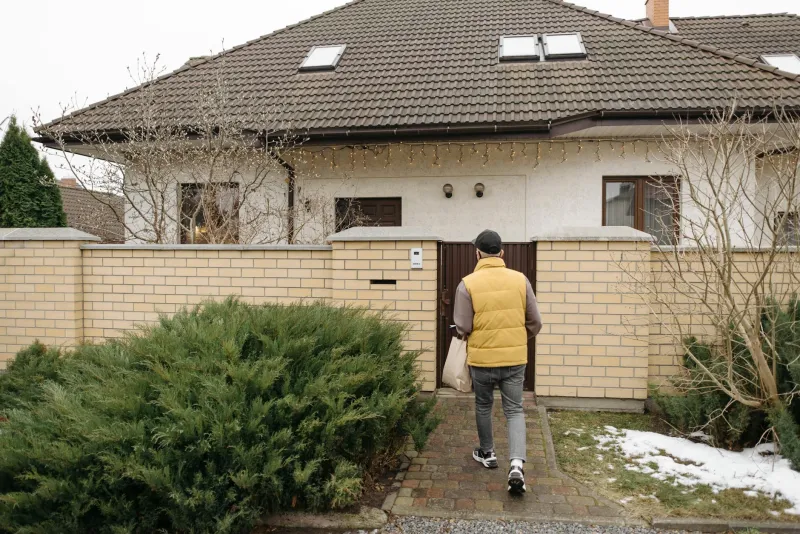
The Daily Parade: When Your Doorstep Was America's Original Same-Day Delivery Hub
Before we tracked packages obsessively and waited around for delivery windows, American neighborhoods hummed with a predictable parade of specialized delivery workers who knew every family's preferences. The milkman, ice truck, and bread van created a personal logistics network that made today's convenience culture look almost primitive.
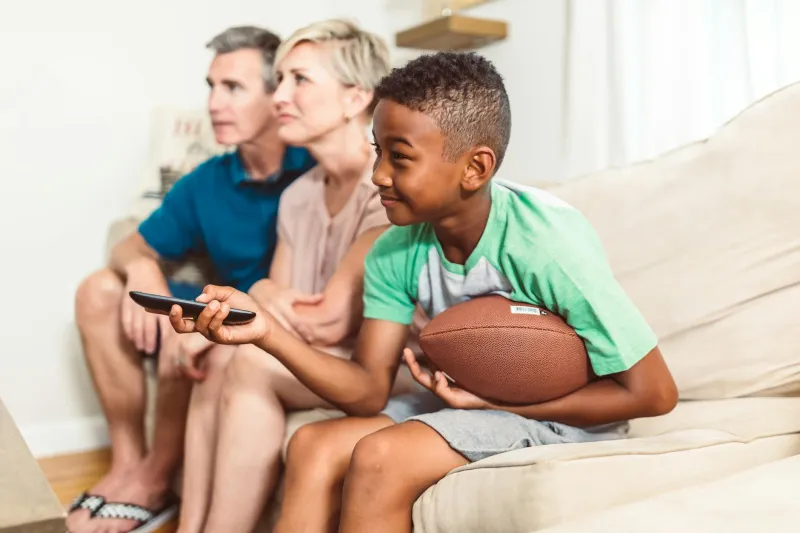
The Great Gathering: When America's Living Rooms Were Democracy in Action
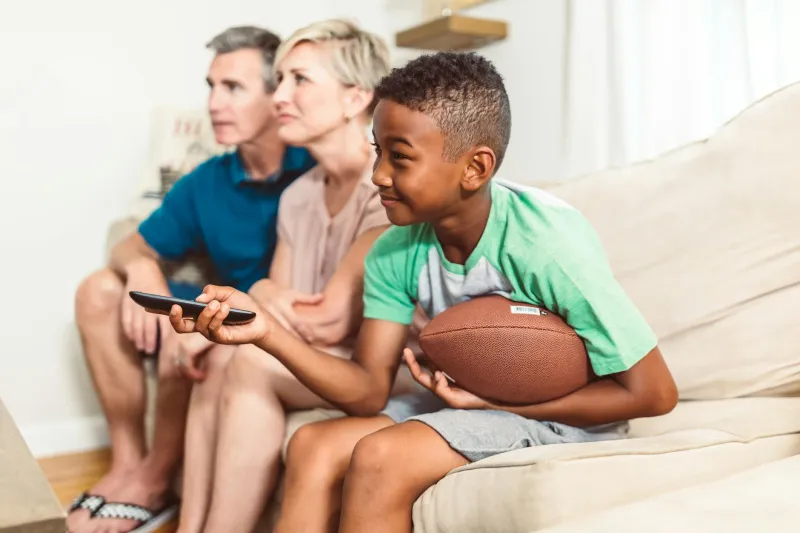
Before Netflix gave everyone their own screen and infinite choices, American families crowded around a single television set and practiced the lost art of compromise. Three channels meant someone had to win, someone had to lose, and everyone had to learn to negotiate.
From Hometown Handshakes to Highway Robbery: How Car Buying Became America's Least Trusted Transaction
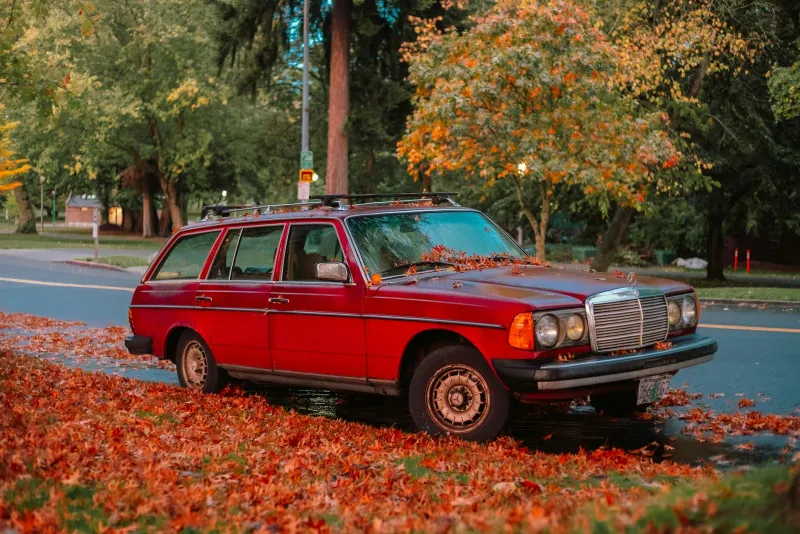
Sixty years ago, buying a car meant walking into your neighbor's dealership, shaking hands on a fair price, and driving home the same afternoon with a full tank of gas as a thank-you gift. Today, that same transaction requires lawyers, calculators, and the emotional fortitude of a hostage negotiator.

Before the Grade Book App: When American Kids Got One Report Card and Everyone Survived
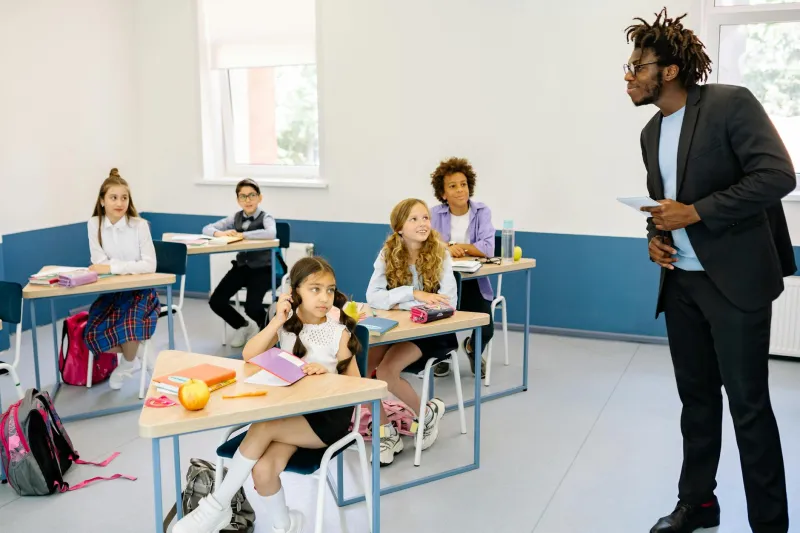
American schools used to run on trust, teacher judgment, and annual report cards that nobody checked obsessively. Today's constant testing and digital grade tracking has turned education into a 24/7 anxiety machine.
When Your Hometown Paper Knew Everyone's Business — and That's How Democracy Actually Worked
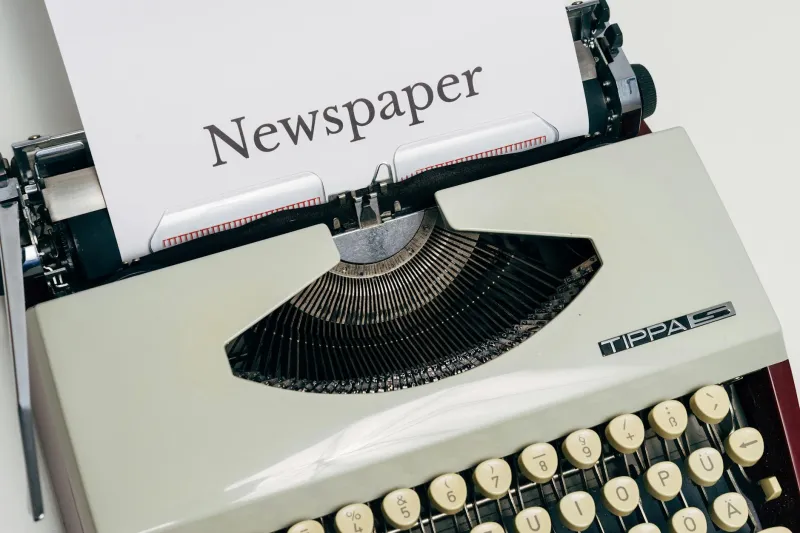
Local newspapers used to be the beating heart of American communities, covering everything from city council meetings to high school football. Their disappearance has left a civic void that Facebook groups can't fill.
When Getting Lost Was Half the Fun: The Beautiful Chaos of American Family Vacations Before Google Maps
American families used to hit the road with nothing but a AAA TripTik and a sense of adventure. Today's hyper-planned, review-checked vacations have eliminated the beautiful uncertainty that made travel actually transformative.
Fill 'Er Up and Check the Air: When Your Neighborhood Gas Station Actually Took Care of You
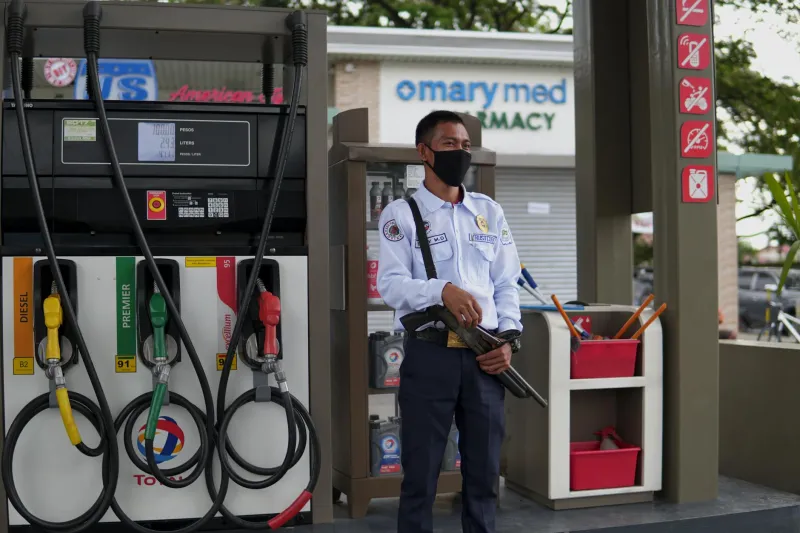
Once upon a time, pulling into a gas station meant someone in a pressed uniform would jog out to your car, pump your gas, and actually care about your engine. Now we stand in the cold, wrestling with credit card readers while our windshields stay dirty for months.
When a Rookie Card Cost a Nickel and Actually Lived in Your Pocket: The Death of Real Collecting
Kids used to trade baseball cards on street corners and clip them to bike spokes for that perfect motorcycle sound. Today, those same cards sell for mortgage money, sealed in plastic tombs that no one dares to touch.
The Sunday Night Phone Call That Made Everyone Stop and Listen: When Distance Actually Mattered
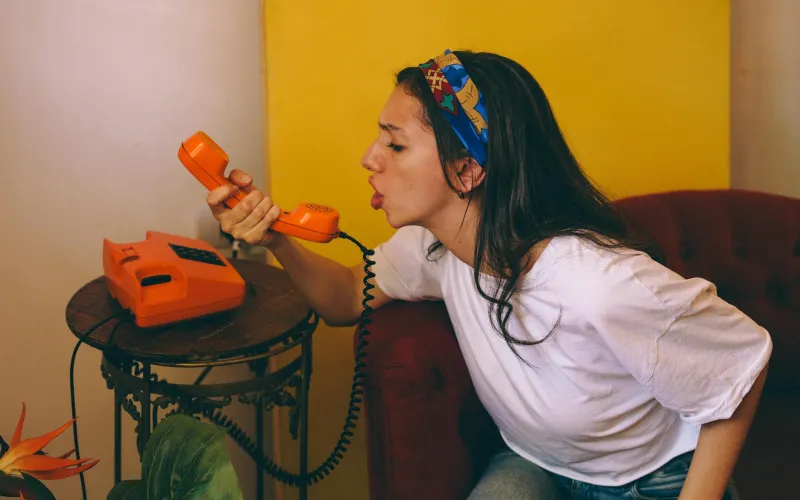
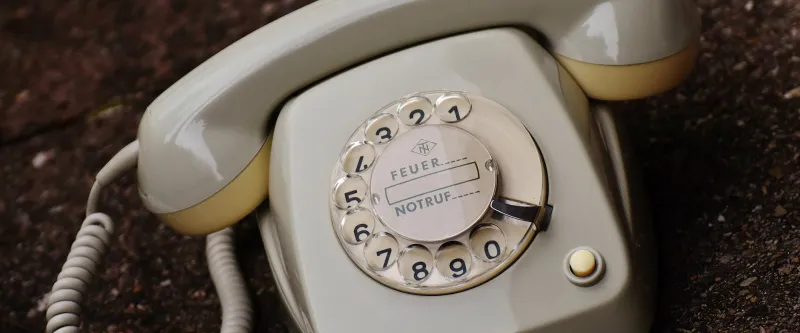
Before unlimited everything, calling home from college was an event planned for days and treasured for weeks. One phone, one cord, one chance to catch up on everything that mattered.
You Showed Up Because You Had To: When Making Plans Actually Meant Something
Before smartphones made everyone reachable at any moment, making plans required real commitment and trust. When you agreed to meet someone at 7 PM, you showed up at 7 PM — because there was no way to change the plan once you left the house.
When America Woke Up to the Same Voice: The Lost Ritual of Shared Morning Radio
For decades, millions of American families started their day the exact same way — listening to the same radio voice deliver the same news, weather, and music from kitchen counters across the nation. This shared morning ritual created an invisible thread connecting strangers before they faced the world.
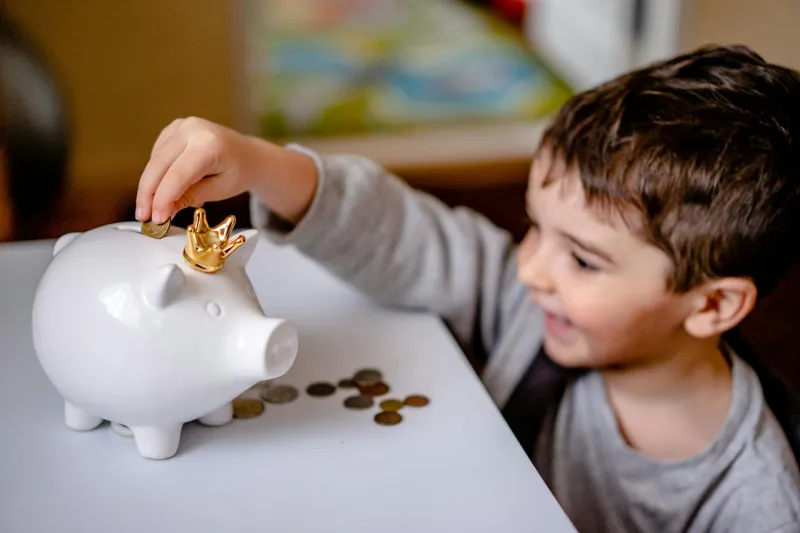
The Quarter That Took Two Months to Earn: When American Kids Actually Saved for Things
Before instant purchases and parental credit cards, American children lived in a world where wanting something meant working for it — sometimes for months. The simple act of saving allowance money taught lessons about patience, value, and delayed gratification that an entire generation is growing up without.
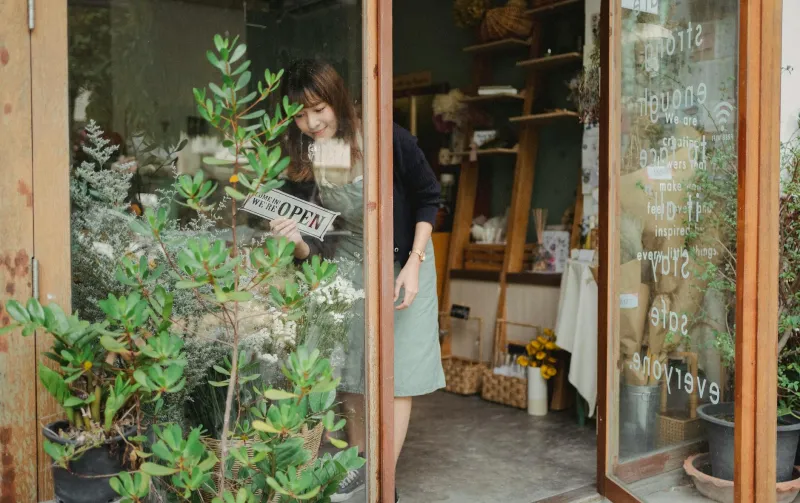
From Corner Shop to Shark Tank: How America Forgot That Business Used to Be Simple
Starting a business in 1950s America meant hanging a shingle and opening your doors. Today, it means pitch decks, LLCs, and competing for attention in an oversaturated market. We've made entrepreneurship both more accessible and impossibly complicated.
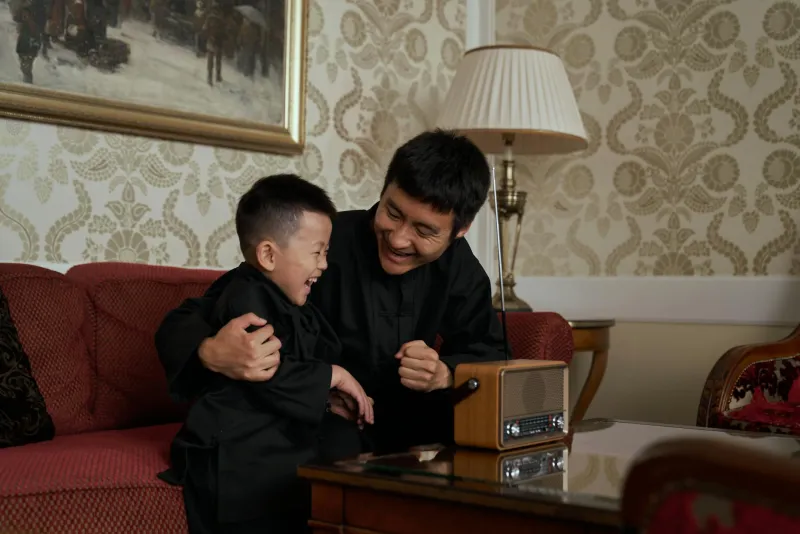
Before ESPN Existed, America's Sports Fans Lived in Beautiful Suspense
Checking baseball scores once meant waiting for the morning paper or huddling around a radio. The anticipation was agonizing and magical in ways that instant updates can never replicate.
When Every Photo Was a Gamble: America Before the Age of Infinite Images
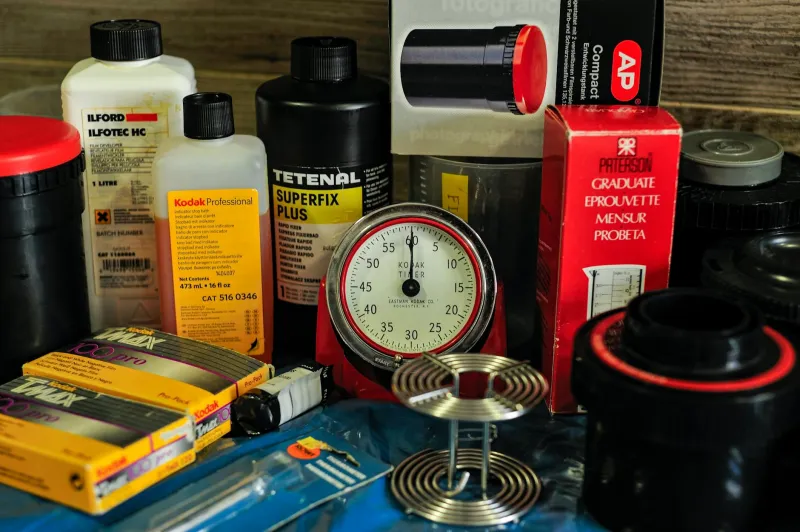
Film cost money, developing took weeks, and you never knew if that perfect moment actually made it onto the roll. Photography used to require patience, planning, and a little bit of faith.
Walk In, Walk Out Hired: When Summer Jobs Shaped American Character More Than College Prep Ever Could
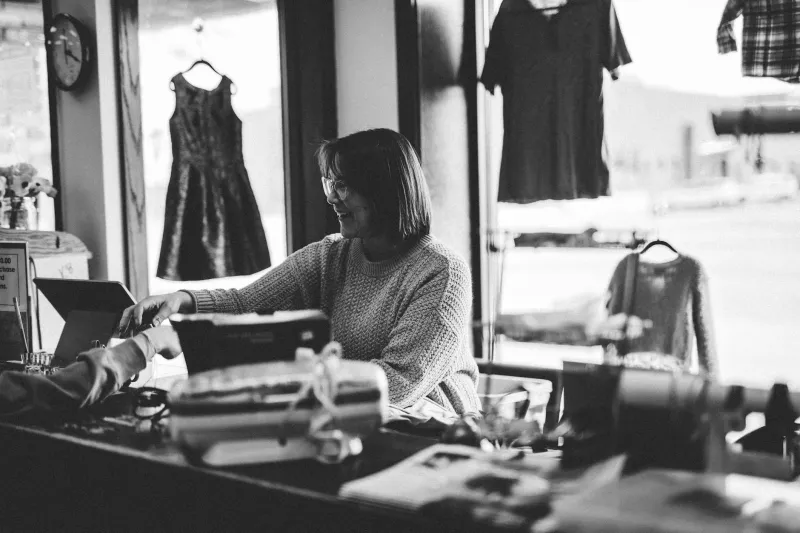
In 1965, a 15-year-old could walk into any Main Street business and leave with a job by closing time. No online applications, no background checks, no unpaid internships — just a handshake and a start date. That simple system created something today's hyper-credentialed job market has lost: real-world education that money can't buy.
Your Neighborhood Pill-Counter Knew Your Life Story: When the Corner Drugstore Was America's Unofficial Health Clinic
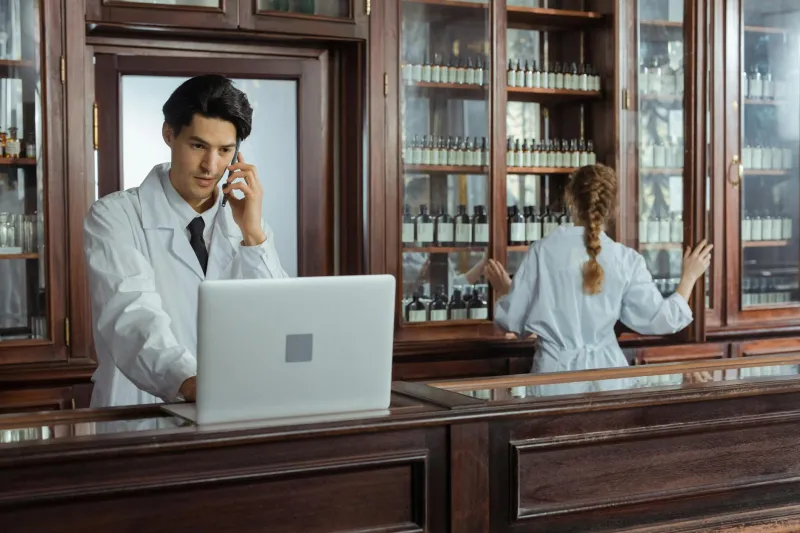
For most of the 20th century, your local pharmacist was part chemist, part counselor, part family friend. He knew your allergies, your kids' names, and exactly what you needed before you finished explaining your symptoms. Today's automated pharmacy experience has gained efficiency but lost something irreplaceable: the human touch that once made healthcare personal.
Before Every Room Had a Screen: When America's Living Room Was the Center of the Universe
In 1965, the entire family gathered around one television set, negotiating what to watch like a tiny democracy. Fast-forward to 2025, and every family member retreats to their own screen in their own corner. The shared American living room — and everything it represented — quietly disappeared while we weren't paying attention.