America's Lost Kitchen Wisdom — When Recipes Lived in Hearts, Not Phones
America's Lost Kitchen Wisdom — When Recipes Lived in Hearts, Not Phones
Tucked in kitchen drawers across America, weathered wooden boxes once held treasures more valuable than any cookbook: handwritten recipe cards stained with decades of Sunday dinners, holiday feasts, and everyday comfort food. These weren't just instructions for making meatloaf or apple pie — they were edible family histories, passed down through generations of women who measured love in pinches, dashes, and "until it looks right."
Today, those recipe boxes gather dust in estate sales while families scroll through Pinterest boards and YouTube tutorials, searching for the perfect dinner inspiration among millions of anonymous options. The intimate culinary inheritance that once connected American families has been replaced by algorithmic suggestions from strangers, and most of us didn't even notice it slipping away.
The Sacred Kitchen Archives
For most of American history, family recipes existed in a parallel universe to published cookbooks. While Betty Crocker and Julia Child dominated bookstore shelves, the real culinary action happened in handwritten notebooks, on index cards yellowed with age, and in the collective memory of women who learned to cook by watching their mothers' hands.
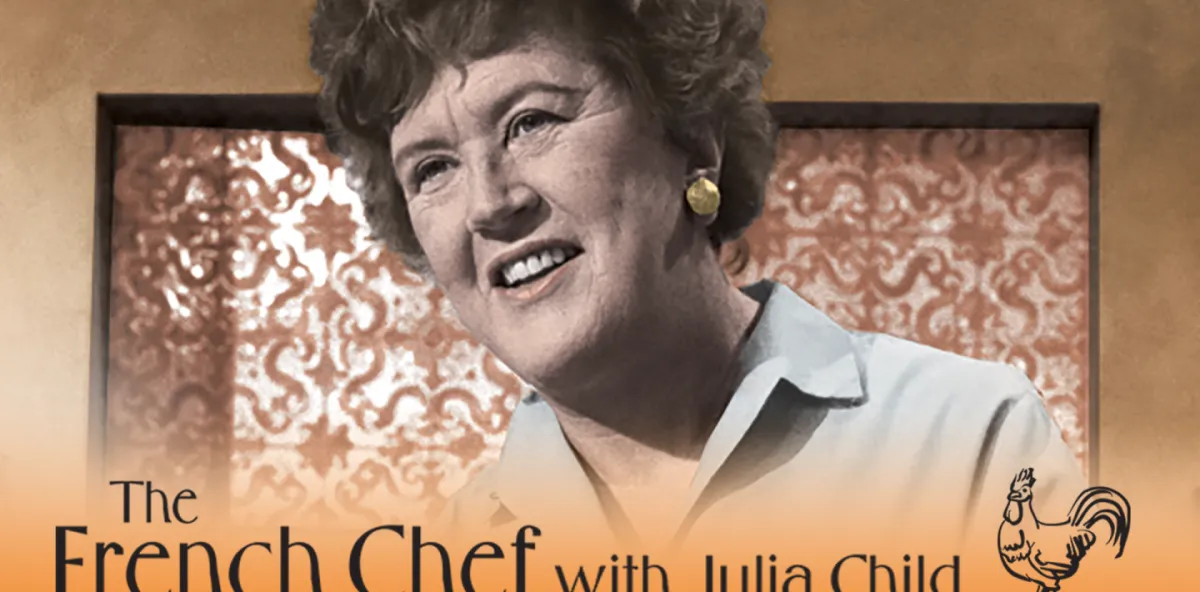 Photo: Julia Child, via assets.vpm.org
 Photo: Betty Crocker, via images.seeklogo.com
These weren't just recipes — they were coded family documents. "Aunt Millie's Chocolate Cake" carried the story of every birthday celebration. "Dad's Famous Chili" remembered the exact combination of spices that made Sunday football games special. The notation "double this for church potluck" captured decades of community gatherings in a single margin note.
The cards themselves told stories. Grease stains marked the most beloved recipes. Crossed-out ingredients revealed years of experimentation and refinement. Handwriting changes tracked the evolution from a young bride's careful cursive to a grandmother's shakier script, documenting a lifetime of feeding family.
Most importantly, these recipes came with context that no printed cookbook could provide. The cook knew that "cream butter and sugar" meant something different on humid summer days. She understood that her oven ran hot, that her measuring cups were slightly off, and that the "medium heat" on her particular stove was actually closer to medium-low.
The Apprenticeship System
Learning to cook meant standing beside your mother, grandmother, or aunt as they prepared meals, absorbing techniques that never made it onto recipe cards. You learned that pie crust was ready when it "felt right" under your hands, that bread was done when it "sounded hollow" when tapped, and that the perfect scrambled egg required patience and constant stirring, not precise timing.
This apprenticeship system created cooks who understood food intuitively. They could taste a dish and identify what was missing. They could adjust recipes on the fly when ingredients weren't available. Most importantly, they could teach these skills to the next generation, not through written instructions, but through hands-on guidance and years of observation.
The kitchen became a classroom where young women learned not just cooking techniques, but family history, cultural traditions, and the subtle art of hospitality. Recipes were accompanied by stories: where the dish came from, why it was special, which occasions called for its preparation.
When Everything Changed
The transformation didn't happen overnight. It began in the 1980s and 90s as women entered the workforce in unprecedented numbers, leaving less time for elaborate meal preparation and cooking instruction. The rise of convenience foods, microwave cooking, and restaurant dining gradually eroded the home cooking tradition.
Simultaneously, families became more geographically dispersed. The grandmother who once lived across town to provide cooking lessons now lived across the country. Holiday gatherings became less frequent, and the natural opportunities for culinary knowledge transfer disappeared.
The final blow came with the internet revolution. Why spend an afternoon learning to make your grandmother's complicated layer cake when you could find 47 different chocolate cake recipes online, complete with step-by-step photos and user reviews? The convenience was undeniable, but something essential was lost in translation.
The Digital Cookbook Revolution
Today's home cooks have access to more recipes than any generation in human history. Food blogs, cooking apps, and video tutorials provide endless inspiration and instruction. You can find authentic Thai curry recipes created by Bangkok street vendors, Italian pasta techniques demonstrated by Roman chefs, and molecular gastronomy experiments that would have seemed like science fiction to previous generations.
The democratization of culinary knowledge has genuine benefits. Dietary restrictions that once isolated cooks now connect them to vast communities of people sharing similar challenges. Novice cooks can learn techniques through slow-motion videos and detailed explanations that no grandmother could provide.
Algorithms suggest recipes based on ingredients you have on hand, dietary preferences, and cooking skill level. Meal planning apps coordinate shopping lists with weekly menus. Smart kitchen devices can guide you through complex techniques with precision that human instruction couldn't match.
What the Algorithm Can't Capture
Yet for all their sophistication, digital recipes lack the emotional context that made family cooking special. They can't tell you that this particular cornbread recipe always appeared when someone in the family was sick, or that the secret to the perfect Christmas cookies was making them together, not just following the instructions correctly.
Online recipes optimize for broad appeal and consistent results, but they can't account for the quirks and preferences that made family dishes unique. They don't carry the stories that gave food meaning beyond nutrition — the tales of immigration, adaptation, and creativity that turned simple ingredients into family traditions.
Most significantly, digital cooking creates individual experiences rather than communal ones. Learning from a YouTube video is efficient, but it doesn't build the relationships that once made cooking a social activity. The conversations that happened while kneading bread or stirring soup — about life, family, and the future — can't be replicated through screen-based instruction.
The Inheritance That Wasn't
Perhaps the most poignant loss is what didn't get passed down. Countless family recipes died with their creators, not because the next generation wasn't interested, but because the transfer never happened. The busy daughter who planned to learn her mother's signature dishes "someday" discovered too late that someday had passed.
Estate sales across America are filled with recipe boxes whose contents are mysteries even to family members. Cards written in a grandmother's careful handwriting become curiosities rather than treasures, their significance lost to time and circumstance.
The Modern Kitchen's Quiet Revolution
Today's kitchens are more efficient, better equipped, and more connected than ever before. Home cooks have access to ingredients that previous generations couldn't have imagined, techniques from every corner of the globe, and tools that make complex cooking accessible to novices.
But they're also quieter places, where individual cooks follow digital instructions rather than learning through conversation and observation. The social aspect of cooking — the stories, laughter, and relationship-building that once made kitchens the heart of family life — has largely moved online, where it's more efficient but infinitely less personal.
The recipe box era wasn't perfect. Some family recipes were legitimately terrible, preserved more by sentiment than by flavor. The insularity of family cooking traditions could limit culinary horizons and perpetuate outdated techniques.
Yet in our rush toward culinary efficiency and endless options, we may have traded away something irreplaceable: the intimate connection between food, family, and memory that made every meal a small act of love, seasoned with generations of accumulated wisdom and served with stories that no algorithm could ever provide.