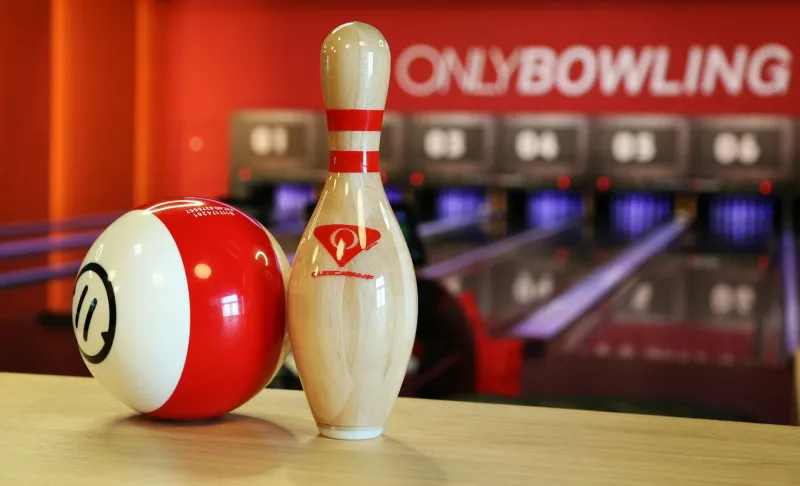
Three Nights a Week at the Lanes: The Slow Disappearance of America's Neighborhood Third Places
At its peak, bowling was the most popular participatory sport in America — and the alley was as much a social institution as a place to keep score. Alongside pool halls, soda fountains, and corner taverns, these spots gave ordinary Americans somewhere to belong. Then, quietly, most of them closed. What replaced them — if anything did — says a lot about where we are now.
From House Calls to Six-Week Waits: How American Healthcare Got Better and Worse at the Same Time
In the 1950s, your family doctor knew your name, your parents' names, and probably your dog's name too. Today, getting a routine appointment can feel like navigating a bureaucratic maze. American medicine has never been more advanced — so why does actually seeing a doctor feel harder than ever?

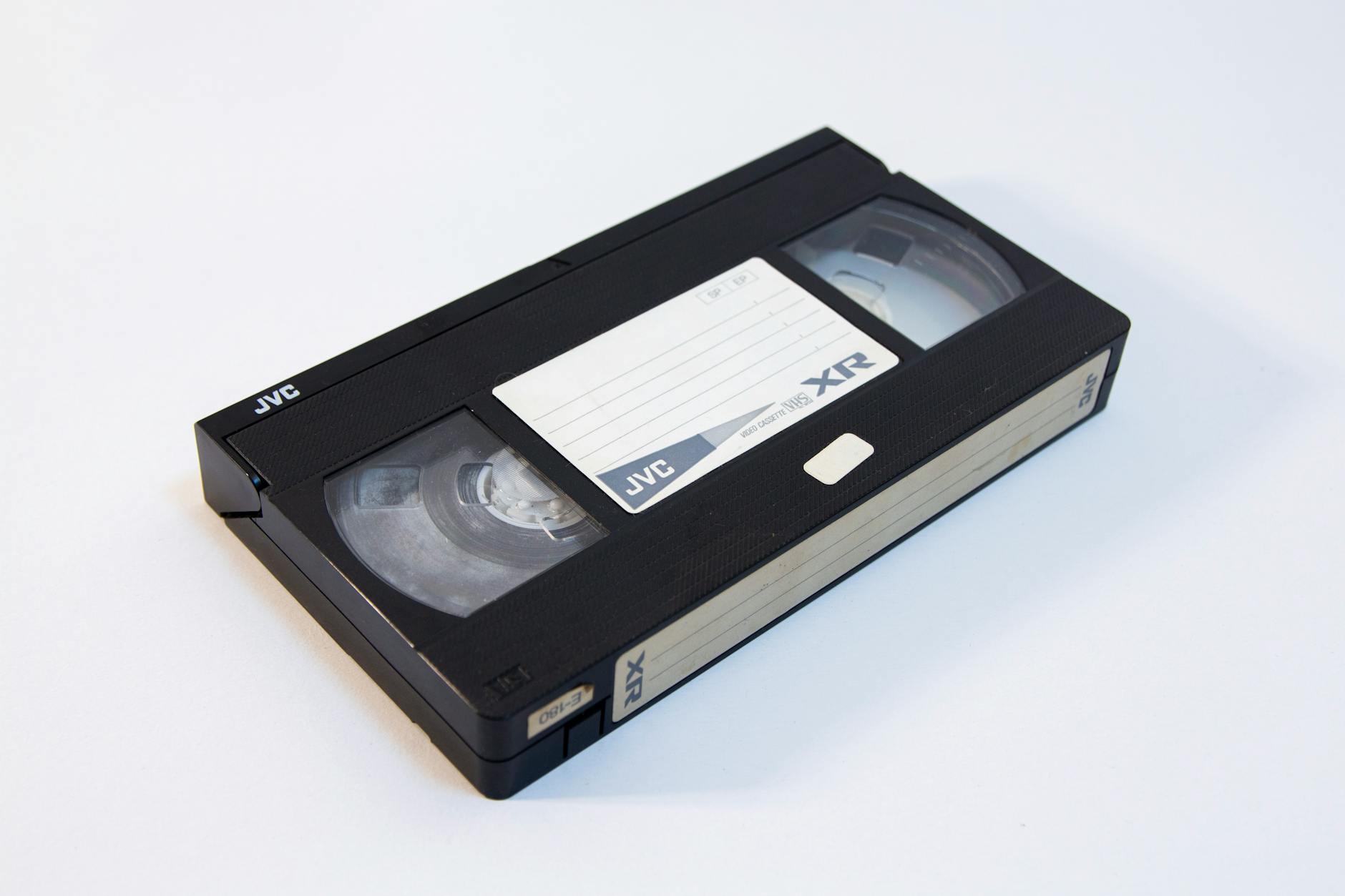
The Friday Night Trip to Blockbuster Was a Whole Experience — and We Didn't Know We'd Miss It This Much
Before streaming gave us everything instantly, picking a movie meant driving to a store, wandering fluorescent-lit aisles, and hoping your first choice wasn't already checked out. It sounds inefficient. It also sounds, in retrospect, kind of wonderful. Here's what we actually lost when Blockbuster closed its doors — and what we honestly gained.
The Pension Is Gone. Now It's All On You — How Retirement Became America's Most Stressful DIY Project
For most of the 20th century, retiring meant collecting a check your employer had promised you for decades. Today, it means hoping you made the right investment choices in a 401(k) you mostly taught yourself to manage. The shift from guaranteed retirement security to individual financial responsibility is one of the biggest — and least discussed — transformations in American working life.

Bread for a Nickel, Beef for a Dream: How American Grocery Bills Changed Across a Century
A gallon of milk for 14 cents sounds like a fantasy — until you realize what most Americans were actually earning in 1920. Tracing the real cost of food across the decades reveals a story far more complicated than simple nostalgia for cheap prices. What families actually paid, and what it cost them, has shifted in ways that will genuinely surprise you.

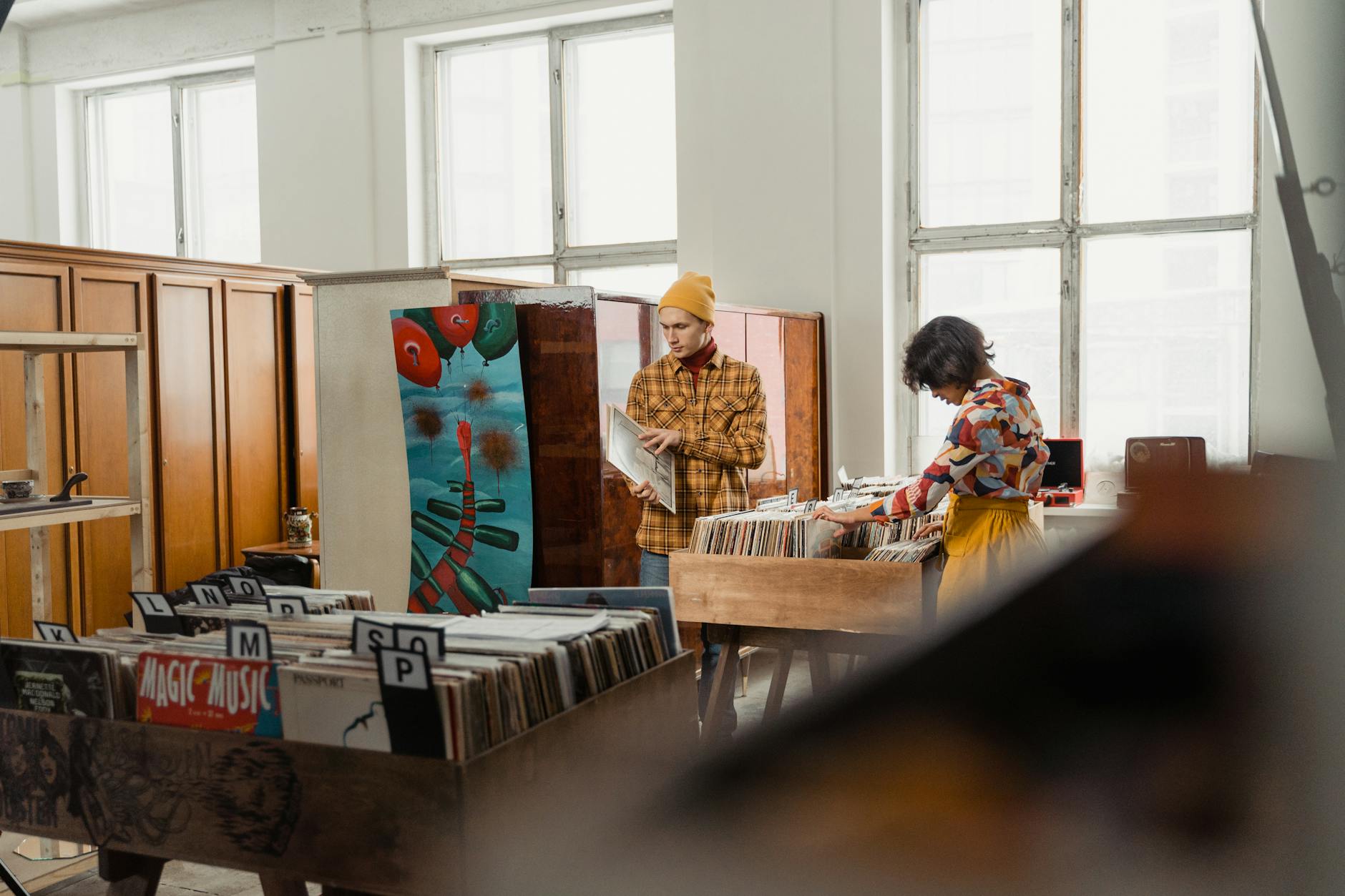
You Used to Hear a New Song Only When the DJ Decided You Would — Then Everything Changed
In 1970, your entire music library depended on what your local radio station played, what records you could find at the store, and what your friends happened to own. The journey from that world to streaming every song ever recorded — instantly, for free — is one of the most quietly extraordinary stories in American life.
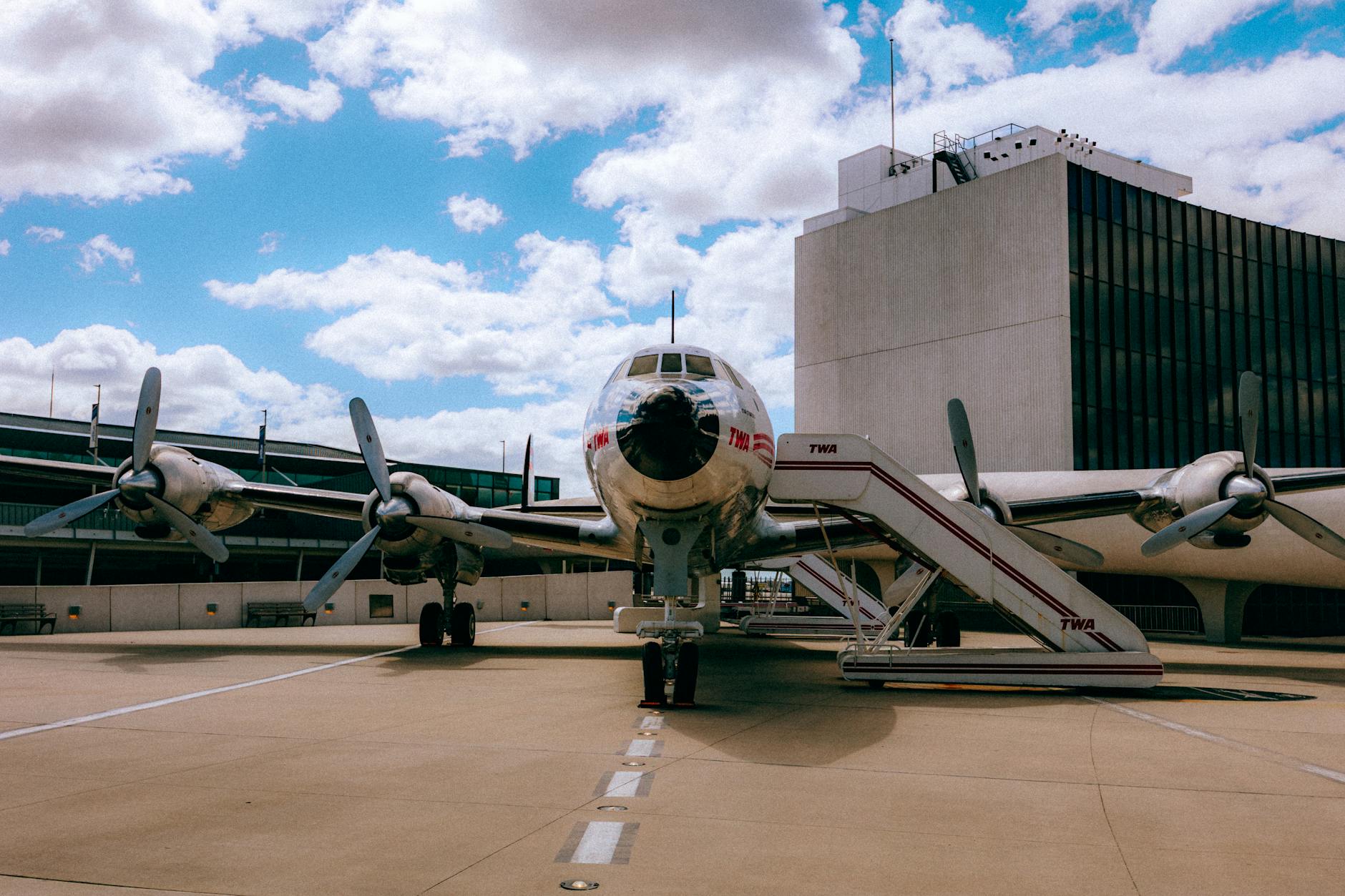
Coast to Coast in a Cloud of Cigarette Smoke: What Flying Actually Felt Like in the 1950s
Before TSA lines and tiny bags of pretzels, a cross-country flight was a 16-hour odyssey that only the wealthy could afford. The golden age of air travel was glamorous, exhausting, and nothing like what most Americans imagine today.
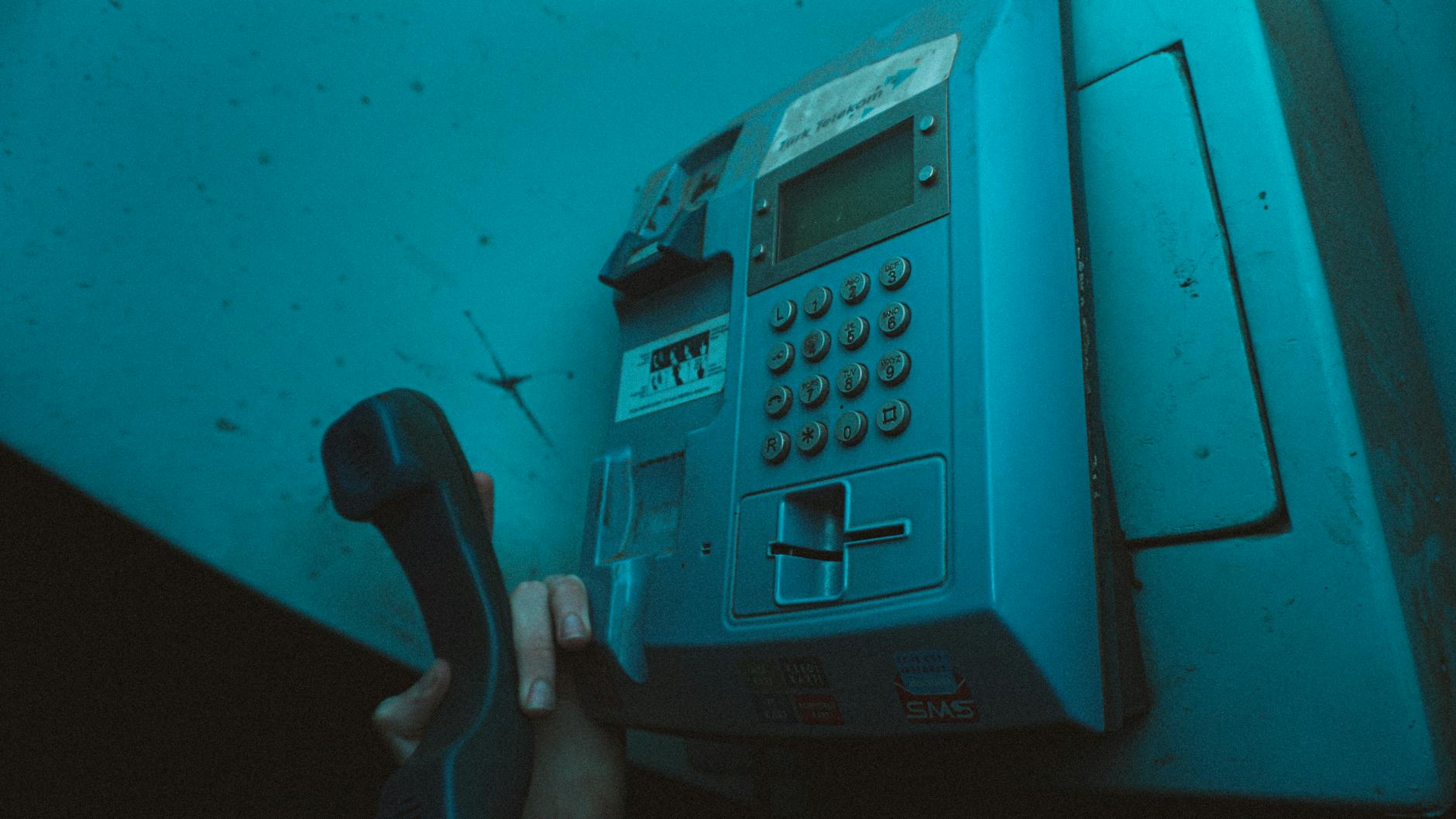
Before Cell Phones, Getting Lost Was Just Something That Happened to You
At its peak, America had 2.6 million pay phones holding the country's social fabric together. Before mobile phones existed, everyday coordination — meeting friends, handling a flat tire, reaching someone in an emergency — required planning, luck, and a spare quarter. Here's what that world actually felt like to live in.
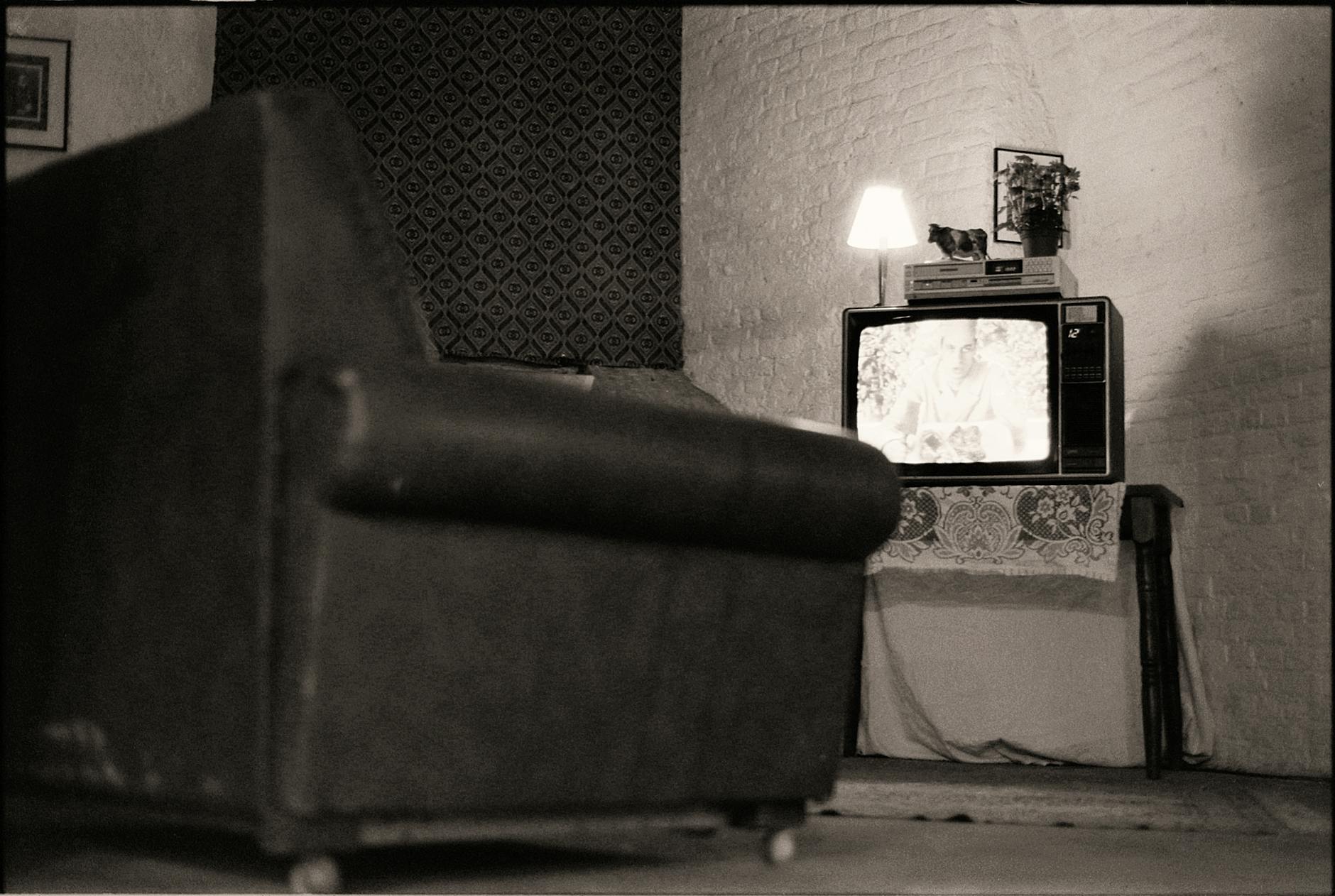
Room by Room: How Technology Took Over the American Home Between 1975 and Today
In 1975, a color TV and a push-button phone felt like living in the future. Today, the average American household runs 25 connected devices without thinking twice about it. Walk through both homes and the difference is almost hard to believe.
She Needed a Chaperone Just to Dance. What Women's Nights Out Looked Like 100 Years Ago
A century ago, a woman stepping out for the evening needed permission, a guardian, and a very specific hemline. Today she books a table, splits a bottle of wine, and calls it Tuesday. The transformation of female social life is one of the most dramatic — and underappreciated — shifts in American history.

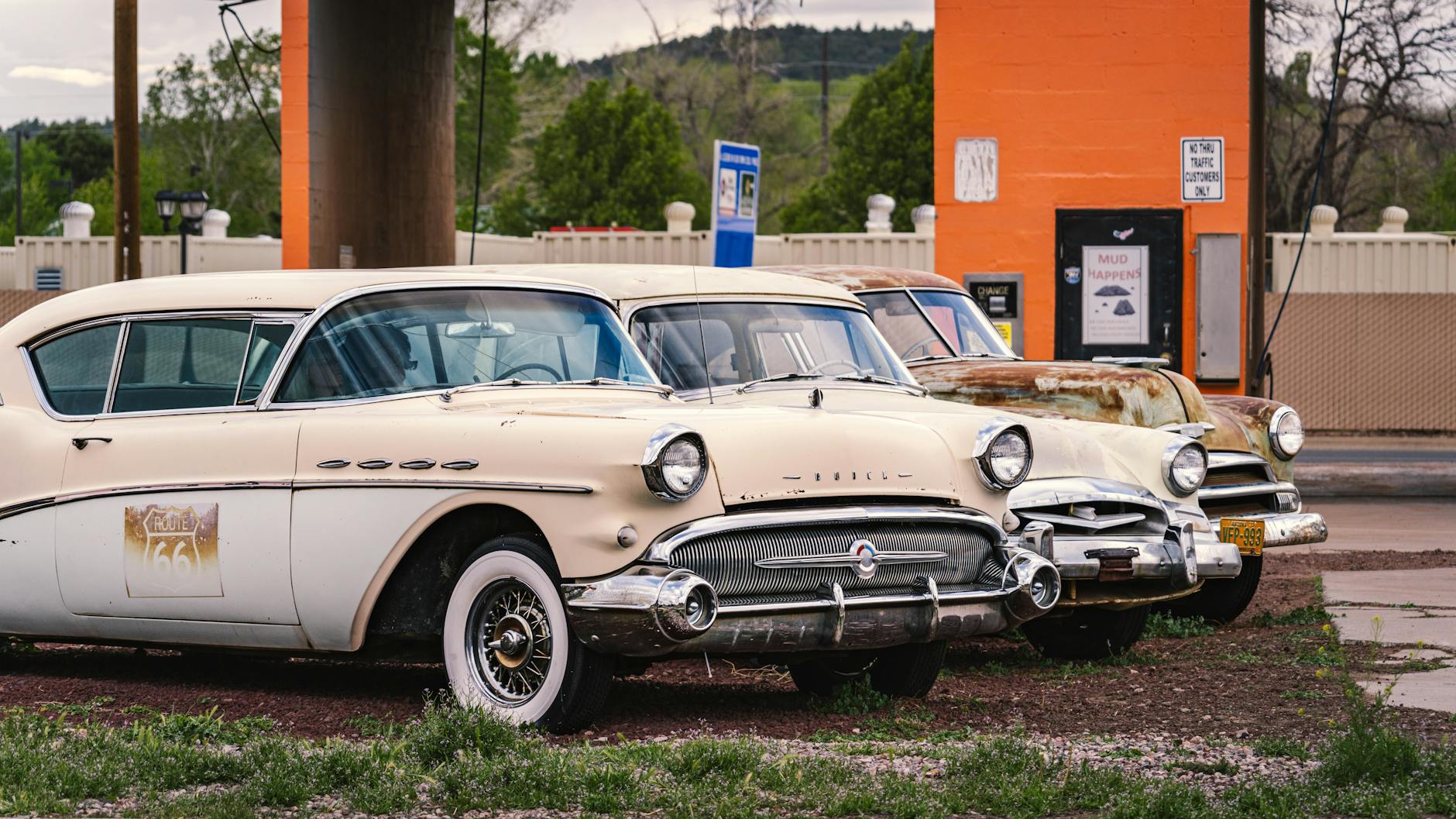
Before GPS and Rest Stops, Driving Across America Was a Genuine Adventure — and Not Always the Good Kind
In 1960, driving from New York to Los Angeles meant two weeks on the road, a glove compartment stuffed with paper maps, and a real chance your engine would give out somewhere in the Nevada desert. Today you could do it in four days without breaking a sweat. Here's what changed.