Front Row to Childhood: When the School Play Was Must-See Entertainment for the Whole Neighborhood
The Night the Whole Town Showed Up
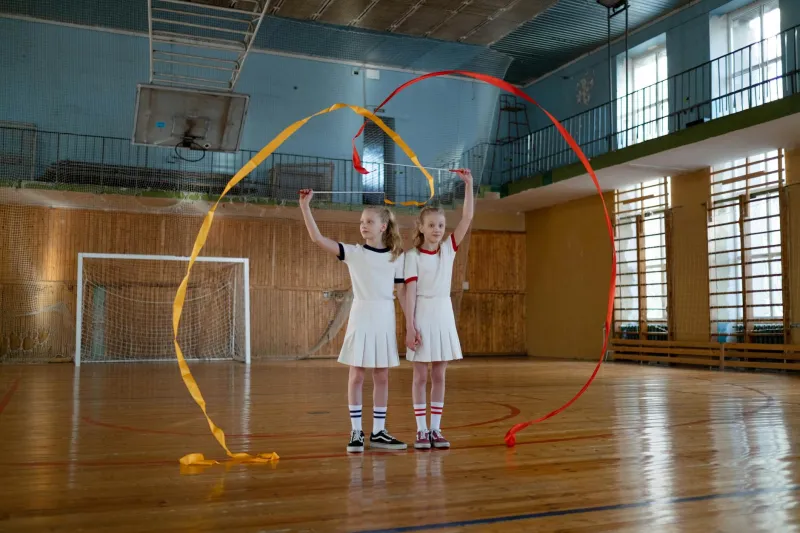
Every December, Franklin Elementary's gymnasium would transform into something magical. Folding chairs arranged in perfect rows, each one claiming its occupant by 6:30 PM sharp. Fathers in their good suits, mothers wearing lipstick applied in car mirrors, grandparents who'd driven from three towns over — all gathered for the most important performance of the year.
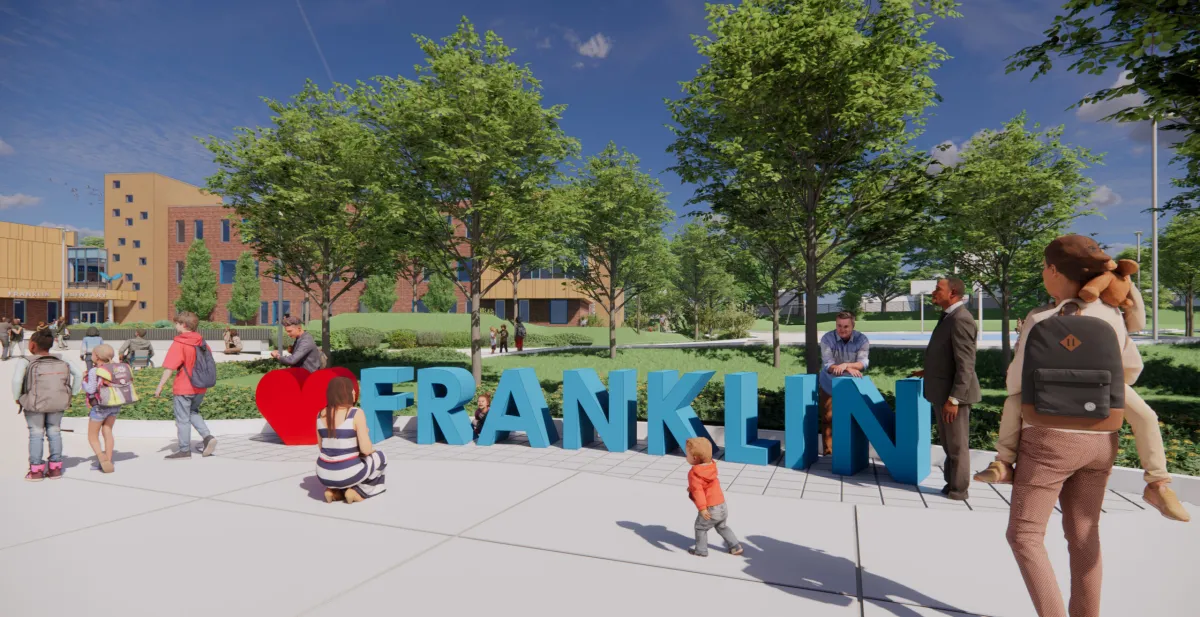 Photo: Franklin Elementary, via uploads-hmfh.s3.amazonaws.com
The Christmas pageant wasn't just a school event. It was the neighborhood's Super Bowl, Academy Awards, and family reunion rolled into one evening of amateur theatrics that somehow felt more meaningful than anything Hollywood could produce.
This was 1967, when children's performances drew crowds instead of creating content.
When Every Seat Had a Story
The audience at Roosevelt High's spring musical wasn't just parents fulfilling obligations. It was the Johnsons from next door, who'd watched little Tommy grow up and wouldn't miss his debut as the Tin Man for anything. It was Mrs. Garcia, the crossing guard, who knew every kid's name and considered their success her personal victory.
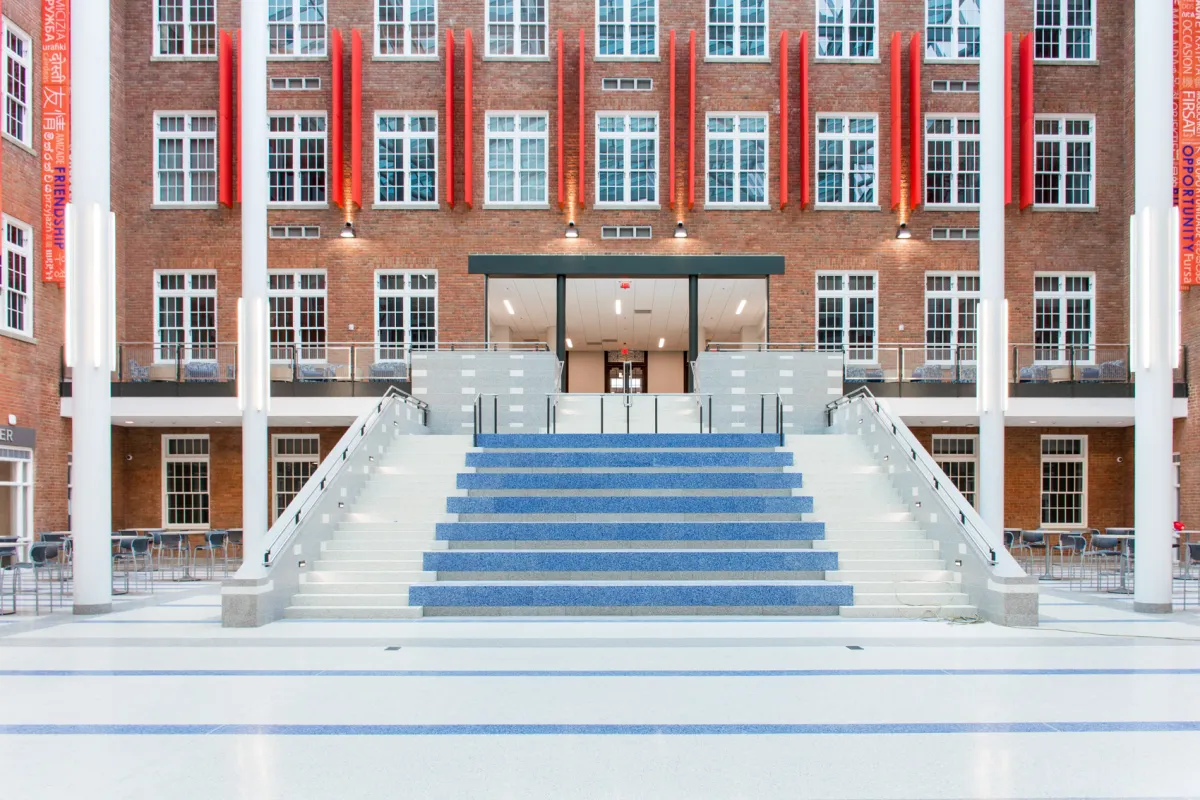 Photo: Roosevelt High, via i0.wp.com
It was Mr. Peterson, the hardware store owner, who'd donated lumber for the sets and wanted to see his contribution in action. It was the Methodist church choir, who'd loaned their risers, and the fire chief, who'd helped with lighting effects during his off hours.
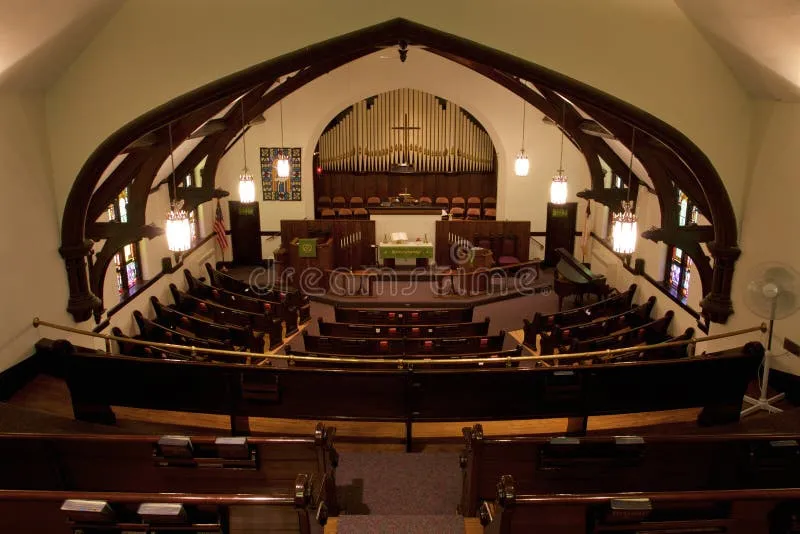 Photo: Methodist church, via thumbs.dreamstime.com
Everyone had skin in the game because everyone was invested in these kids. The performance wasn't just entertainment — it was community celebration, a shared investment in the next generation's confidence and creativity.
The Beautiful Imperfection
These weren't polished productions. Sets wobbled. Microphones squealed. Third-graders forgot their lines and stood frozen until a teacher whispered prompts from the wings. The angel costumes were bedsheets held together with safety pins, and the star of Bethlehem was a flashlight covered with aluminum foil.
But nobody cared about production values. They cared about Billy Morrison overcoming his stutter to deliver the opening monologue. They cheered for Sarah Chen, whose parents had just moved from Taiwan, singing "Silent Night" in her careful English. They gasped when the cardboard tree actually fell over during the forest scene, then applauded even louder when the kids improvised around it.
The imperfection was the point. This was real life, not performance art. These were real children, not professional entertainers. The stakes were low enough that failure was funny and success felt miraculous.
The Dress-Up Occasion
Attending a school play was an event worthy of your best clothes. Men wore ties they otherwise reserved for church and funerals. Women coordinated outfits weeks in advance, because they knew they'd be seeing everyone they knew from the grocery store, the bank, the beauty parlor.
Children in the audience dressed up too, understanding instinctively that this was serious business. They sat still — mostly — and clapped when their parents clapped, learning the rhythms of communal appreciation.
Photography was limited to a few brave souls with flash bulbs, and even they saved their shots for the finale. The experience was meant to be lived, not documented.
The Post-Show Social Hour
After the final bow, the real event began. The gymnasium would fill with conversation as families congratulated each other, shared pride in their children's achievements, and planned next year's improvements. Coffee appeared from somewhere — probably the church ladies — along with homemade cookies that disappeared within minutes.
Children still in costume ran between groups of adults, high on applause and sugar, accepting praise from neighbors who'd known them since birth. Teachers received handshakes and genuine thanks from parents who understood that organizing thirty kids into a coherent performance was nothing short of miraculous.
These conversations weren't hurried. Nobody was rushing home to edit footage or upload highlights. The evening belonged entirely to the people who'd shared it.
The iPhone Revolution
Somewhere around 2010, everything changed. The school play became the school recording session. Parents arrived early not to get good seats, but to claim optimal filming positions. The performance became secondary to the documentation of the performance.
Walk into any elementary school auditorium today and you'll see a forest of glowing screens. Parents watching their children through phone cameras, recording every moment while missing the actual experience. Children on stage performing for an audience that's half-hidden behind devices, their faces lit by LCD screens instead of stage lights.
The irony is devastating: in trying to preserve every moment, we've lost the moment entirely.
The Professional Production Problem
Modern school performances have also become victims of their own ambition. Productions that once cost $50 for construction paper and glitter now require professional sound systems, elaborate costumes, and choreography complex enough to make Broadway nervous.
The focus shifted from community participation to impressive results. Instead of the whole neighborhood pitching in with whatever skills they had, schools began hiring professional directors and renting equipment. The charming amateurism that made everyone feel involved was replaced by standards that made everyone feel inadequate.
Parents stopped volunteering to help build sets because the sets required actual carpentry skills. Grandparents stopped attending because the performances became too long and too loud. The community event became a family obligation.
The Streaming Generation
Today's children perform for cameras more than audiences. Their recitals are live-streamed for relatives who can't attend, uploaded to YouTube for permanent access, and shared on social media for extended validation.
But something essential is lost in translation. The energy exchange between live performers and live audiences — that magic that happens when real people share real space and real time — can't be digitized. The child looking out at a gym full of familiar faces has a completely different experience than the child performing for a camera lens.
The audience experience has changed too. Watching your neighbor's child perform through a phone screen, even when you're sitting three feet away, creates emotional distance. You're consuming content instead of sharing community.
What We Lost in the Upgrade
We gained the ability to preserve every moment and lost the ability to be present for any of them. We gained professional-quality productions and lost the beautiful messiness that made everyone feel welcome to participate. We gained global reach through streaming and lost the intimate connection that comes from showing up in person.
Most sadly, we lost the understanding that some experiences are valuable precisely because they're temporary, imperfect, and impossible to replicate. The 1967 Christmas pageant at Franklin Elementary exists now only in the memories of the people who were there. And maybe that's exactly why it was so precious.
The school play used to be about community celebration. Now it's about individual documentation. We turned shared joy into personal content, and somehow everyone ended up with less.
The Irreplaceable Magic of Showing Up
There's something irreplaceable about a gymnasium full of people who chose to be there, who dressed up for the occasion, who turned off their distractions and gave their full attention to children brave enough to stand on a makeshift stage.
That kind of attention — focused, generous, present — is becoming extinct. But for one evening every December, in a small-town gymnasium decorated with construction paper stars, it created magic that no amount of professional production can replicate.
Because the real performance wasn't happening on stage. It was happening in the audience, where a community came together to celebrate its children, itself, and the simple joy of watching someone you love do something brave.